Acupuncture for Asthma
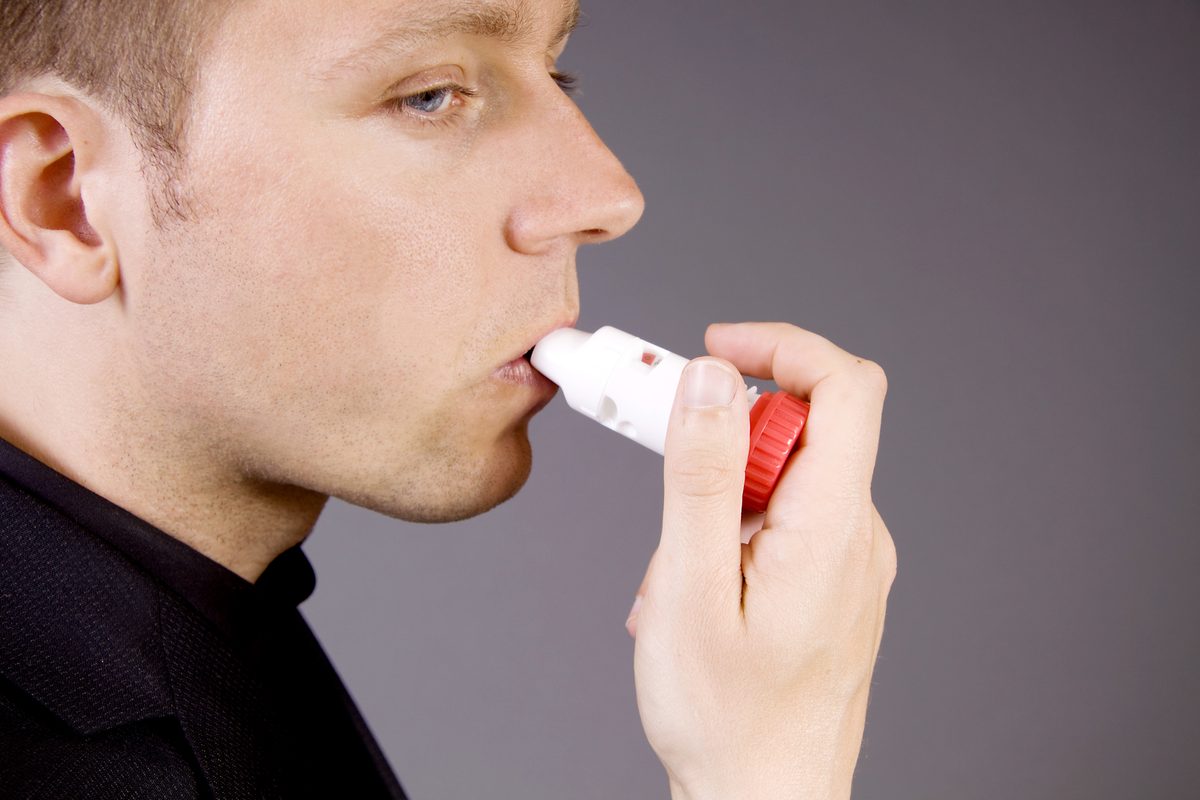
Asthma affects millions of people worldwide and can range from mild to life-threatening. While acupuncture cannot cure asthma, it may help support respiratory function, reduce airway sensitivity, and improve overall breathing comfort as part of a comprehensive treatment plan alongside your prescribed medications. Individual results may vary.
Treatment Approach: Every patient's asthma is unique. Our treatment is highly personalized, combining traditional acupuncture techniques with advanced modern methods tailored to your specific asthma triggers, severity, and body constitution.
The Burden of Asthma
Currently have asthma (8.6% of adults, 6.5% of children)
CDC 2024 | NHIS Data
Emergency department visits annually for asthma
CDC 2024 | NEDS Data
Annual economic cost (medical + lost productivity)
AAFA/AJMC 2024
What Is Asthma?
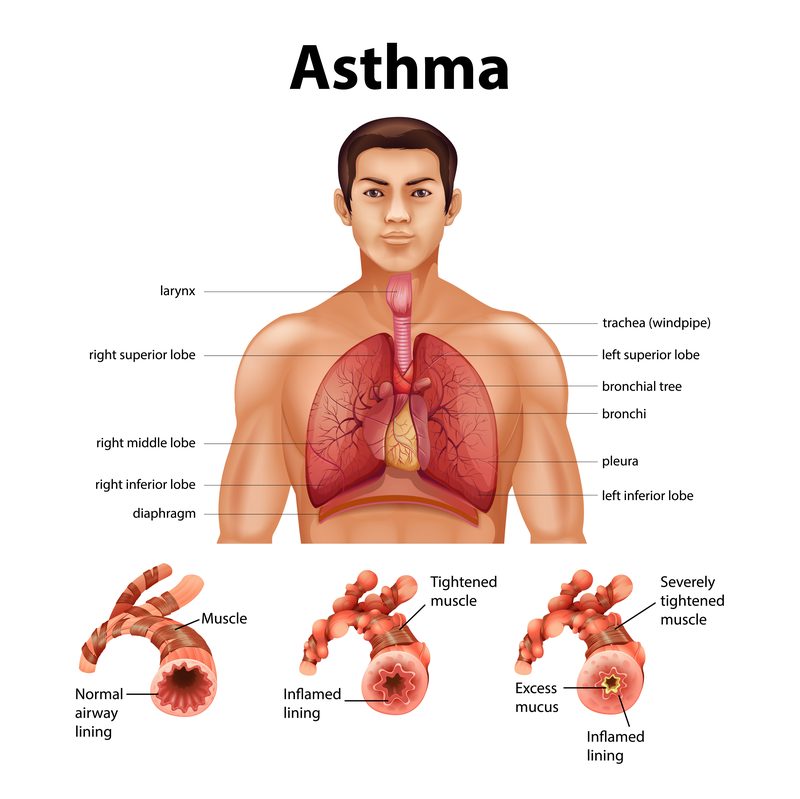
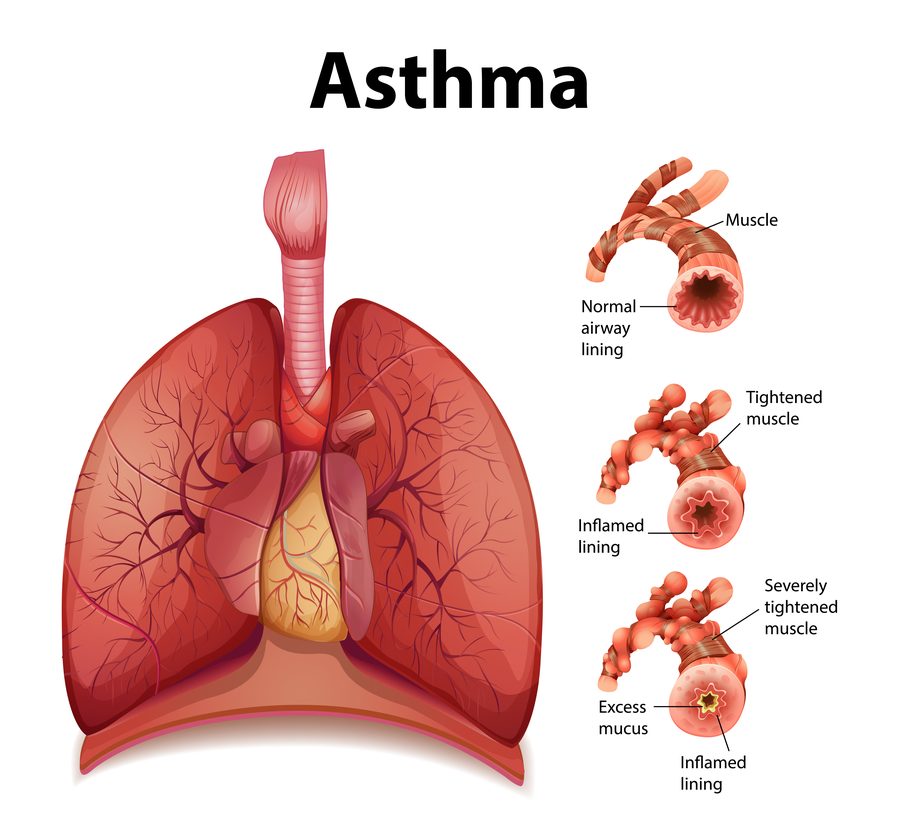
Asthma is a chronic inflammatory condition of the airways that causes breathing difficulty, coughing (especially at night or during exercise), wheezing, and chest tightness. During an asthma attack (exacerbation), the airway muscles tighten and airway linings swell, narrowing the passages and making it harder to move air in and out of the lungs.
Asthma types include allergic asthma (triggered by allergens), exercise-induced asthma (triggered by physical activity), occupational asthma (triggered by workplace exposures), and stress-induced asthma (triggered by emotional or physical stress).
Common Asthma Types & Triggers
| Type | Common Triggers | Characteristics |
|---|---|---|
| Allergic Asthma | Pollen, dust mites, pet dander, mold, food allergens | Most common form; linked to allergic reactions |
| Exercise-Induced Asthma | Physical exertion, cold air during exercise | Symptoms appear during or shortly after exercise |
| Occupational Asthma | Workplace chemicals, dust, fumes | Develops due to workplace exposures over time |
| Stress-Induced Asthma | Emotional stress, anxiety, major life changes | Symptoms worsen during stressful periods |
Common Symptoms
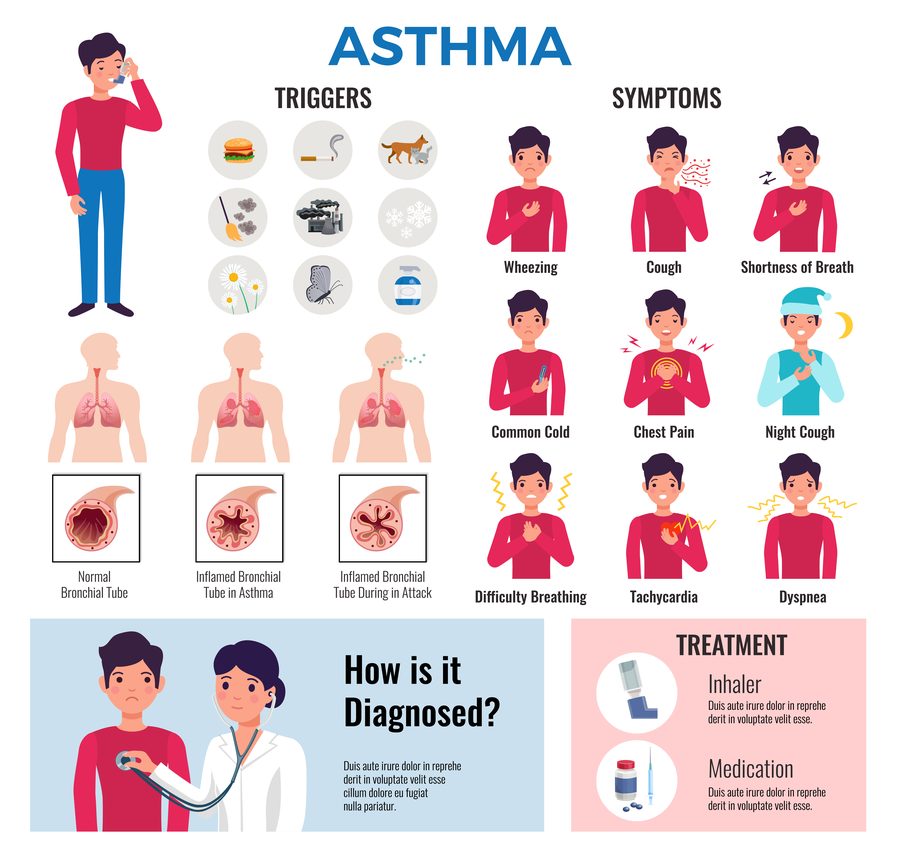
People with asthma may experience:
- Shortness of breath — especially during exertion or at night
- Wheezing — a whistling sound when breathing
- Chronic cough — particularly when lying down, playing, or laughing
- Chest tightness or chest pain during breathing
- Difficulty sleeping caused by breathing problems
- Fatigue and reduced exercise tolerance
How Acupuncture May Help
Traditional Chinese Medicine views asthma as an imbalance in respiratory Qi (vital energy) and Lung function. Acupuncture may help by:
| Mechanism | How It May Work |
|---|---|
| Reduce Airway Inflammation | Acupuncture may modulate immune response and decrease inflammatory markers in the airways |
| Ease Bronchial Muscle Tension | Relaxes the smooth muscles surrounding the airways, improving airflow during and between attacks |
| Lower Attack Frequency | Over time, acupuncture may reduce how often asthma attacks occur and the severity when they do happen |
| Improve Stress Response | Acupuncture can reduce stress-triggered asthma exacerbations |
| Strengthen Respiratory Qi | Tonifies Lung and Spleen function, supporting overall respiratory resilience and recovery between attacks |
| Support Immune Balance | Supports immune function, potentially reducing allergy-triggered asthma |
Research & Evidence
A 2023 systematic review and meta-analysis of randomized controlled trials by Liu et al. found that acupuncture was well-tolerated and showed moderate-quality evidence for improving FEV1% (forced expiratory volume in one second) compared with sham/placebo acupuncture. The analysis also noted improvements in asthma symptoms, asthma control, and quality of life.
A 2025 systematic review published in the BMC Complementary Medicine Database analyzed 16 randomized controlled trials involving 1,675 pediatric participants, demonstrating that acupuncture combined with standard asthma treatment showed effectiveness in reducing asthma exacerbations and improving respiratory function.
What to Expect in Treatment
Initial Assessment (First Few Treatments): During your first acupuncture session, Ronen will take a detailed health history and assess your asthma type, triggers, severity, and current medications. Treatment typically begins with 2 treatments per week. This allows the body to respond and helps identify whether you respond well to acupuncture treatment and how your individual body reacts to the therapy.
Early Improvements (Weeks 2–4): Many patients begin noticing benefits within the first few weeks — easier nighttime breathing, fewer wheezing episodes, reduced coughing, and lower frequency of asthma attacks. Some people experience relief during or shortly after an attack, as acupuncture helps relax airways and ease the acute episode.
Ongoing Treatment & Progression: As you begin to feel consistent improvement — fewer attacks, milder symptoms when they do occur, and better overall breathing — the treatment frequency is gradually reduced. The pace depends on how quickly your body responds and the chronicity (long-standing nature) of your asthma.
Acupuncture Points & Techniques: Treatment is highly personalized — tailored to your specific asthma type, triggers, and body constitution. Ronen combines traditional acupuncture techniques with advanced modern methods to address both the immediate symptoms and the deeper imbalances underlying your asthma. Needles are placed strategically on the chest, upper back, arms, legs, and abdomen where appropriate to restore respiratory function and balance Lung Qi.
Acupuncture works alongside your prescribed asthma medications, not as a replacement. You should continue taking your inhalers and other asthma medications exactly as prescribed.
Related Conditions & Services
Asthma often overlaps with or is triggered by other conditions we treat:
- Seasonal Allergies & Hay Fever — allergen triggers for asthma
- Sinusitis & Nasal Congestion — post-nasal drip can trigger asthma
- Stress & Anxiety — emotional triggers worsen asthma control
- Chronic Fatigue (ME/CFS) — often co-occurs with respiratory dysfunction
- Immune Support — strengthens respiratory defense
Frequently Asked Questions
1. Can acupuncture cure my asthma?
No. Acupuncture cannot cure asthma, as asthma is a chronic inflammatory condition of the airways. However, acupuncture may help reduce symptom frequency and severity, improve breathing comfort, and support your respiratory system's overall function as part of a comprehensive treatment plan. Medication prescribed by your physician remains essential for managing asthma and preventing severe attacks.
2. Do I need to stop my asthma medication if I start acupuncture?
No. Never stop or reduce your asthma medications without your physician's approval. Acupuncture works alongside your medications, not as a replacement. In 20+ years of clinical practice, I have found that acupuncture and prescribed asthma care work best together. If your asthma symptoms improve significantly after several weeks of acupuncture, that's wonderful — but any changes to your medication should be discussed with your doctor. If you and your doctor decide that your symptoms have improved enough to reduce or stop a medication, your doctor will make that decision based on your individual case.
3. How long before I notice improvement in my breathing?
You will typically start to notice some improvement within the first 4 treatments. Many patients report signs such as easier nighttime breathing, fewer wheezing episodes, less nighttime coughing, and lower frequency of asthma attacks within this initial assessment window. Some people even notice relief during an acute attack, as acupuncture helps relax airways. The specific improvements vary — some patients notice changes after just 2–3 sessions, while others may need the full 4 sessions to recognize some shifts in attack frequency and severity. This depends on how long you've had asthma, how severe it is, your individual body's response, and other factors like stress and allergen exposure.
4. Does acupuncture work for all types of asthma?
Acupuncture may help support respiratory function across all asthma types — allergic, exercise-induced, occupational, and stress-induced asthma. However, individual response varies. Our approach is tailored to your specific type and triggers. For example, if your asthma is driven by seasonal allergies, we focus on regulating immune response. If it's stress-related, we emphasize nervous system balance and emotional resilience.
5. Is acupuncture safe for people with asthma?
Yes, acupuncture is generally safe when performed by a licensed, trained acupuncturist. Potential side effects are minimal — occasional mild bruising at needle sites or brief dizziness immediately after treatment (which quickly resolves). For patients with asthma, it is important to maintain your inhalers and emergency medications during treatment.
Sources: Centers for Disease Control and Prevention. (2024). Most Recent Asthma Data. National Health Interview Survey & National Vital Statistics System. · Asthma and Allergy Foundation of America (AAFA). (2024). Cost of Asthma on Society. · Liu, X., et al. (2023). Clinical evidence for acupuncture for adult asthma: Systematic review and meta-analysis of randomized sham/placebo-controlled trials. Complementary Therapies in Medicine. · Pediatric Asthma & Acupuncture Meta-Analysis. (2025). Effectiveness and safety of acupuncture for pediatric asthma. BMC Complementary Medicine. · American Journal of Managed Care (AJMC). (2024). National Asthma and Allergy Awareness Month: Economic Costs and Treatment Access.