
Chinese Acupuncture for Cough Relief
Cough is one of the most common symptoms driving patients to seek medical care — whether it's a lingering dry cough after a cold, a persistent wet cough, or the chronic hacking that disrupts sleep and daily life. While cough itself is a protective reflex, when it becomes chronic or unresponsive to conventional treatment, it can significantly impact your quality of life. Acupuncture for asthma may help reduce cough frequency and severity by addressing both the local irritation and the underlying imbalances driving the symptom. Individual results vary. Whether your cough stems from sinusitis, GERD or acid reflux, acupuncture offers natural relief.
What is Cough?
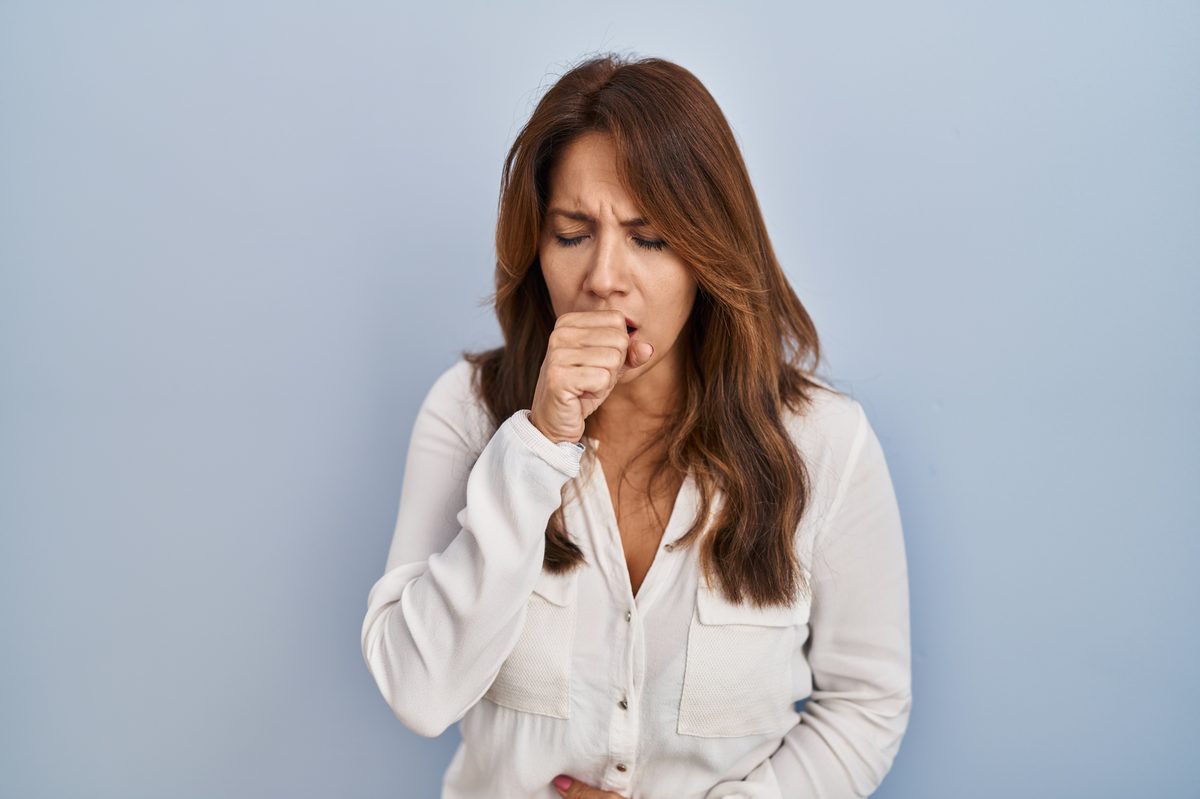
Cough is a reflex that clears the airway of irritants — mucus, infection, foreign material — by forcing air rapidly out of the lungs. Acute cough (lasting less than 3 weeks) is typically caused by a viral upper respiratory infection (the common cold, flu) or environmental irritation, and usually resolves on its own. Chronic cough (lasting 8+ weeks) is more complex: it may stem from persistent post-viral inflammation, asthma, gastroesophageal reflux disease (GERD), environmental sensitivities, or lung irritation from smoking or occupational exposure.
What makes chronic cough so challenging is that it persists long after the initial trigger has resolved. The airways become hypersensitive — reacting to minor irritants, temperature changes, or even talking — creating a cycle where coughing triggers more coughing. This disrupts sleep, causes chest wall pain and fatigue, and erodes quality of life. Chinese acupuncture may interrupt this cycle by reducing airway inflammation and restoring the nervous system's regulation of the cough reflex.
Common Types & Presentations
Chinese acupuncture can address all cough presentations:
| Cough Type | Key Characteristics | Common Causes |
|---|---|---|
| Dry Cough | No mucus production; often irritating and nonproductive; worse at night or with talking | Post-viral irritation, asthma, GERD, dry air, smoking, ACE inhibitors |
| Wet/Productive Cough | Brings up mucus or phlegm; often worse in morning or when lying down | Acute bronchitis, pneumonia, chronic bronchitis, post-nasal drip, COPD |
| Chronic/Lingering Cough | Persists 8+ weeks; may alternate between dry and productive; deeply fatiguing | Post-COVID syndrome, post-infectious cough, cough variant asthma, GERD, occupational exposure |
Your Integrated Acupuncture Treatment Approach
At my clinic in Boca Raton, I combine four distinct acupuncture systems for cough, creating a personalized treatment that addresses both the symptom and its underlying causes:
| Treatment System | How It Works for Cough |
|---|---|
| Auricular Acupuncture | The ear contains microsystem representations of the lungs and respiratory tract. Applied at the end of the body treatment session, stimulation of ear points may reduce cough reflex hypersensitivity and calm airway irritation. |
| Traditional Chinese Medicine (TCM) | TCM views cough through pattern recognition — identifying whether the cough stems from Lung Qi deficiency, Lung Yin deficiency, Phlegm Heat, or other imbalances. Treatment addresses the root pattern, not just the symptom. |
| Master Tung's Acupuncture | Master Tung's system uses highly specific distal points on the hands, forearms, and legs to influence the lungs and respiratory reflex with precision. Points are selected based on careful observation of the cough's character. |
| Dr. Tan's Balance Method | Dr. Tan's approach applies bilateral balancing to restore symmetry in the nervous system's regulation of breathing and cough. This is especially effective for chronic or stubborn coughs. |
Understanding Your Cough in Chinese Medicine
Chinese medicine recognizes different cough patterns, each requiring a distinct approach:
How it sounds: Weak, shallow cough; tiredness that worsens with exertion; shortness of breath; catching a cold easily; pale complexion; thin or quiet voice.
When it appears: Often after prolonged illness, overwork without rest, or in people with weak immunity. The cough is just exhausting, not productive.
Why acupuncture helps: Tonifying points may strengthen Qi and restore the body's surface defenses, allowing the cough to resolve and immunity to rebound.
How it sounds: Dry cough without mucus; throat rawness; hoarseness; dry mouth; night sweats; warm palms; thirst for small sips. Cough worsens in late afternoon/evening, particularly bothersome at night.
When it appears: After acute infection (especially viral), prolonged fever, or in dry climates. Common in post-COVID lingering respiratory symptoms.
Why acupuncture helps: Points that nourish Lung Yin may restore moisture and elasticity to respiratory tissues, allowing persistent irritation to subside.
How it sounds: Productive cough with sticky, thick, yellowish-green mucus; chest congestion; heat sensation; bitter taste; possible low-grade fever.
When it appears: After acute infection that hasn't fully resolved, or in people prone to excess mucus. Clearing it is difficult and unrewarding.
Why acupuncture helps: Points that clear heat and transform phlegm may reduce inflammation, thin mucus, and improve clearance, making the cough more productive and resolving faster.
What to Expect in Treatment
Initial Assessment (Sessions 1–4): The first 4 sessions serve as a clinical assessment window. I evaluate your response to treatment — cough frequency, character, severity, sleep quality, and overall tolerance of acupuncture itself. Most patients notice some improvement within this period. Individual results vary.
Treatment Frequency: Cough treatment typically begins at twice weekly (2 sessions per week) to build momentum and allow rapid assessment of response. As improvement becomes evident, frequency reduces to weekly, then biweekly, with ongoing maintenance recommended to prevent relapse.
What You'll Experience: Acupuncture sessions last 45–60 minutes. You'll rest comfortably while needles remain in place. Many patients feel relaxation, reduced cough frequency during and after the session, and notably improved sleep that night. Improvements often build cumulatively — each session contributes to the next. Some patients notice a reduction in cough within 1–2 sessions; others take a bit longer to respond.
Maintenance & Relapse Prevention: After achieving improvement in your cough symptoms, ongoing maintenance treatment is essential to sustain your results. Periodic treatment — typically monthly for the first 3–6 months, then quarterly or as-needed — helps prevent regression and maintains the improvements you've gained during your initial treatment course.
Research & Evidence
Growing scientific interest in acupuncture for chronic cough reflects both the high prevalence of the condition and the limitations of conventional treatment. A 2024–2025 meta-analysis published in peer-reviewed journals examined 30 randomized controlled trials (RCTs) involving 2,835 participants. When acupuncture-related therapy was added to conventional treatment, researchers found improvements in cough symptom scores, quality of life measures, and inflammatory markers. The certainty of evidence was moderate to high for cough symptom reduction, particularly in cases of cough-variant asthma and GERD-related cough.
Research suggests acupuncture may work through multiple mechanisms: reducing airway inflammation, modulating immune responses, attenuating cough hypersensitivity through nervous system rebalancing, and improving respiratory reflex regulation. Studies on cough-variant asthma specifically found that acupuncture as adjunctive therapy enhanced total clinical effectiveness, reduced relapse rates after medication withdrawal, improved lung function markers, and reduced inflammatory indicators.
For GERD-related chronic cough, recent systematic reviews demonstrate that acupuncture may reduce both daytime and nighttime cough symptoms and improve cough-related quality of life scores. The mechanisms likely involve improved esophageal motility, reduced reflux frequency, and decreased laryngeal sensitivity.
Important Note: While research is promising, acupuncture is considered a complementary therapy. It works best alongside conventional medical care — not as a replacement. If your cough persists or worsens, or if you have underlying conditions like asthma or acid reflux (GERD), continue working with your physician to manage those conditions while exploring acupuncture as an integrated approach.
Frequently Asked Questions
That depends on the duration and type of cough. I use the first 4 sessions as an assessment — most patients notice some improvement within this period. Acute cough (recent onset, 2–4 weeks) typically resolves within 6–10 sessions. Chronic or lingering cough (8+ weeks, post-viral, post-COVID) often requires 12–16 sessions initially, plus ongoing maintenance to prevent relapse. The treatment plan is customized based on your response.
In Chinese medicine, dry and wet coughs reflect different patterns. Dry cough suggests Lung Yin deficiency (requiring moistening and cooling points); wet cough suggests Phlegm Heat (requiring points that clear heat and transform phlegm). Treatment is individualized — we're matching the treatment to your specific presentation.
Yes — lingering post-viral cough is one of the most common presentations I treat. Post-COVID cough typically involves a combination of Lung Yin deficiency and persisting inflammatory or nerve sensitization. Research suggests acupuncture may reduce cough hypersensitivity, calm inflammation, and restore normal respiratory reflex function. Some patients notice improvement within 2–3 sessions; others take longer. Individual results vary.
Never stop or reduce physician-prescribed medication without consulting your doctor. I do not recommend stopping medication. However, as your cough improves with acupuncture, you may find you need less frequent doses of over-the-counter cough suppressants or expectorants. If your symptoms improve significantly, discuss with your physician whether a dose reduction or discontinuation of prescription medication is appropriate. Any changes to medication are always your doctor's decision.
Yes. Cough often stems from asthma, acid reflux (GERD), or other conditions, and acupuncture may help by reducing the cough reflex hypersensitivity and addressing the inflammatory or mechanical factors driving the symptom. At the same time, I strongly encourage you to work with your physician on managing the underlying condition. Acupuncture works best as part of an integrated approach. I'm happy to coordinate care with your other healthcare providers.
Acupuncture is generally safe even during active coughing or chest discomfort, and in fact, many patients find that treatment reduces both significantly. However, if you're experiencing severe chest pain, shortness of breath, wheezing, or coughing up blood, please seek immediate medical evaluation first. Once serious underlying conditions have been ruled out, acupuncture is a safe and effective option for persistent cough-related symptoms.
We are a self-pay practice and do not bill insurance directly. Upon request, we can provide a superbill — an itemized receipt with the codes insurers require — which you may submit to your insurance company for possible out-of-network reimbursement, depending on your plan. Acupuncture is a qualified medical expense for Health Savings Accounts (HSA), Flexible Spending Accounts (FSA), and Health Reimbursement Arrangements (HRA). Contact us with questions.
I have extensive clinical experience treating all types of cough — acute, chronic, dry, productive, post-viral, post-COVID, and cough associated with asthma or acid reflux (GERD) — using integrated acupuncture protocols combining Traditional Chinese Medicine, Master Tung's techniques, and Dr. Tan's Balance Method. For full credentials, training background, and professional qualifications, please visit the About page.
Related Conditions & Respiratory Health
Credentials: Ronen Rosenblatt Nir, L.Ac., AP — Licensed Acupuncturist & Acupuncture Physician, NCCAOM certified, 20+ years clinical experience. Training: Chengdu University Hospital (China), Dr. Hu (Taiwan), Tel Aviv Sourasky Medical Center (Israel). For full background, visit the About page.
Sources: National Health and Wellness Survey (NHWS); NIH/NCBI databases; Cochrane reviews on chronic cough prevalence. Acupuncture-Related Therapy for Chronic Cough: A Systematic Review and Meta-Analysis (2024–2025); Clinical Efficacy of Acupuncture as Adjunctive Therapy for Cough Variant Asthma (2026); Efficacy of Acupuncture for GERD-Related Chronic Cough (2026).
This page is for educational purposes only and does not constitute medical advice. Persistent cough may indicate an underlying medical condition requiring professional evaluation. Always consult your physician before starting acupuncture or making changes to any medical treatment. Results vary individually and cannot be guaranteed. Acupuncture is a complementary therapy, not a replacement for conventional medical care.