Acupuncture for Male Fertility
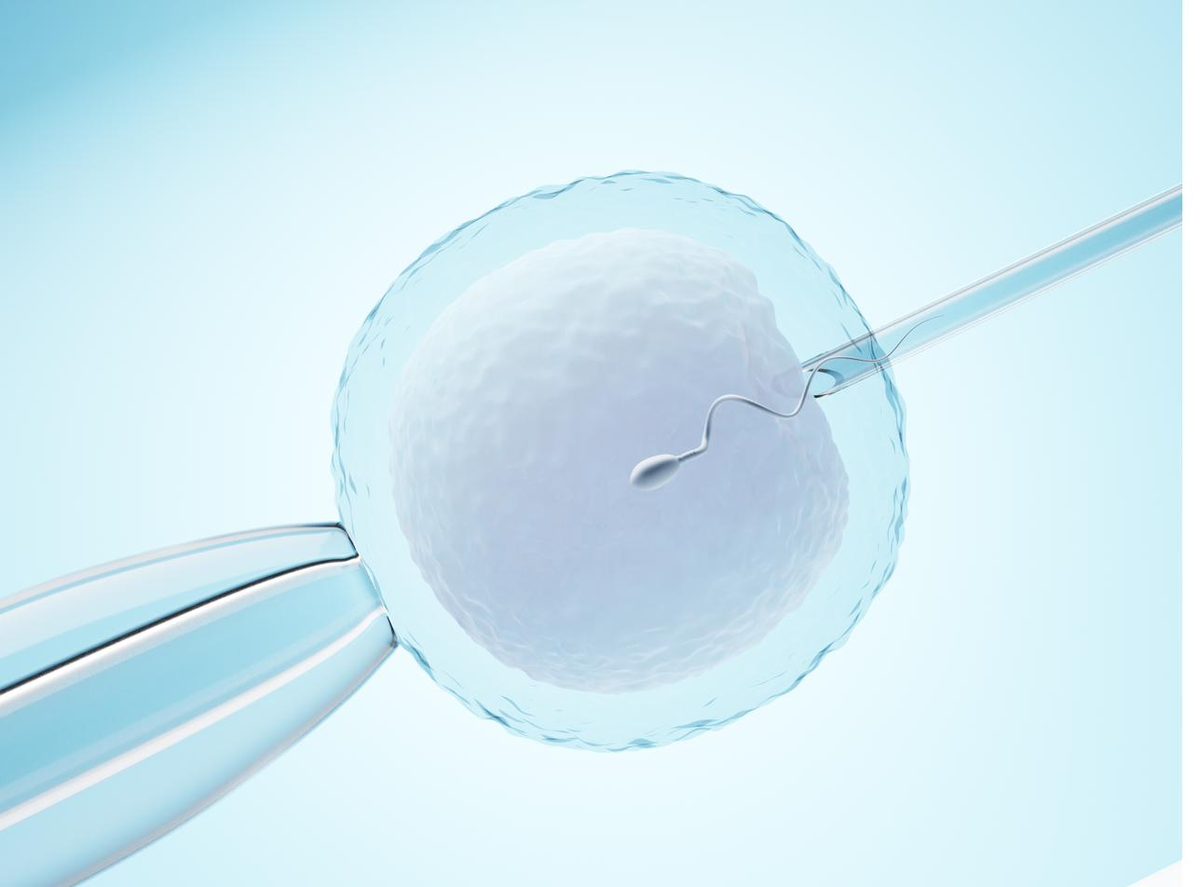
When a couple is trying to conceive, the focus often falls on the woman — but male factors contribute to roughly half of fertility challenges. If a semen analysis has come back with a low sperm count, reduced motility, or shape (morphology) concerns, acupuncture is one complementary approach some men use to support healthier sperm parameters, alongside the care of their physician. Individual results may vary.
Fertility is often a shared journey. While you work on your sperm health, your partner may also benefit from acupuncture for women's fertility — many couples come in together.
What affects male fertility?
A standard semen analysis looks at several measures of sperm health, and a result can be affected by many things at once. Common findings and contributing factors include low sperm count (oligospermia), reduced motility (asthenospermia), shape or morphology concerns (teratospermia), lifestyle and environmental factors such as heat, smoking, alcohol, poor sleep and weight, ongoing stress and anxiety, and medical factors such as varicocele, hormonal imbalance, infection, or unexplained (idiopathic) causes.
How acupuncture may help
Treatment uses advanced acupuncture techniques (including the Master Tung and Balance Method systems) alongside classical Traditional Chinese Medicine (TCM), with gentle manual needling. To put a common worry to rest: the needles are placed at points on the arms, hands, lower legs, feet, abdomen and back — never on the genitals. Many points are distal (far from the area of concern), so you can simply rest comfortably during treatment. Individual results may vary.
| What we aim to support | How it may relate to sperm health |
|---|---|
| Circulation | May support healthy blood flow to the reproductive organs. |
| Stress & hormones | May encourage a calmer stress response, relevant to the hormonal balance behind sperm production. |
| Overall regulation | Used as whole-body support over a full sperm-production cycle, alongside medical care. |
What the research suggests
Research on acupuncture for male fertility is still limited and mixed, and it should be viewed as complementary to medical care — not a replacement. A controlled study published in Fertility and Sterility examined sperm structure under electron microscopy in men with idiopathic infertility and reported a measurable improvement in the structural integrity of sperm after a course of acupuncture. Broader systematic reviews suggest acupuncture — particularly as a complement to medical treatment — may be associated with improvements in semen parameters, while cautioning that study quality and consistency remain limited. Individual results may vary.
Ronen has a particular interest and clinical focus in this area, and co-authored published material on acupuncture and male fertility together with Dr. Raanan Tal, a urologist who specialized in male fertility.
Our approach & what to expect
Your first visit includes a thorough intake — your semen-analysis results, health history, lifestyle, sleep and stress. Because the body takes about three months to produce a new batch of sperm, the effect of treatment can't be fairly judged in just a few sessions. For male fertility, Ronen generally recommends a course of about 10 treatments, and then a repeat semen analysis to look at whether the parameters have changed and to guide next steps. Sessions usually begin twice weekly, then space out as appropriate. Individual results may vary.
If you're pursuing IVF or ICSI, acupuncture can be used as supportive care in coordination with your urologist or fertility clinic — though in those treatments the goal is often different. Improving natural sperm quality is most relevant for couples trying to conceive naturally.
Acupuncture is complementary and not a substitute for medical evaluation. Any man with fertility concerns should have a semen analysis and be evaluated by a physician or urologist. Seek prompt medical care for testicular pain, a lump or swelling, or signs of infection — and discuss conditions such as varicocele or hormonal issues with your doctor.
Frequently Asked Questions
Because sperm take about three months to develop, we plan a course of around 10 treatments and then repeat your semen analysis to compare the parameters. That follow-up test is how we evaluate progress together with your doctor. Individual results may vary.
Meaningful change in a semen analysis generally isn't expected before a full sperm-production cycle — roughly three months — which is why the course runs across that window.
No. For male fertility, needles are placed at points on the arms, hands, lower legs, feet, abdomen and back — never on the genitals. Most points are distal (away from the area), and the needles are very fine, so treatment is comfortable.
Acupuncture needles are far finer than the needles used for injections, and most people find treatment deeply relaxing — many rest or even doze off during a session.
It can be used as supportive care alongside IVF/ICSI, coordinated with your fertility clinic. Improving natural sperm quality is most relevant when trying to conceive naturally.
Acupuncture is generally well tolerated alongside most medications. If you take medication for a fertility-related or other condition, please discuss acupuncture with your prescribing physician. We never recommend stopping or changing prescribed medication — that decision rests entirely with your doctor.
Many couples treat fertility together. You may also want to read about acupuncture for women's fertility.
We are a self-pay practice and do not bill insurance directly. Upon request, we can provide a superbill — an itemized receipt with the codes insurers require — which you may submit to your insurance company for possible out-of-network reimbursement, depending on your plan. Acupuncture is also an eligible expense for most HSA and FSA accounts. Contact us with questions.

Related Conditions & Services
Sources: Leslie SW, Soon-Sutton TL, Khan MAB. Male Infertility. StatPearls / NCBI Bookshelf (male factor contributes to ~50% of cases). · Heller CG, Clermont Y. "Spermatogenesis in man: an estimate of its duration." Science, 1963 (≈64 days). · Levine H, Jørgensen N, Martino-Andrade A, et al. "Temporal trends in sperm count: a systematic review and meta-regression analysis of samples collected globally in the 20th and 21st centuries." Human Reproduction Update, 2022. · Pei J, Strehler E, Noss U, et al. "Quantitative evaluation of spermatozoa ultrastructure after acupuncture treatment for idiopathic male infertility." Fertility and Sterility, 2005.