Acupuncture for Migraines & Headaches
Migraine is one of the most common — and most disabling — neurological conditions, affecting daily life, work, sleep, and relationships. If medications alone haven't given you the relief you hoped for, acupuncture is one of the best-researched complementary approaches for migraine prevention, and may help reduce how often attacks happen and how intense they feel. Individual results may vary.
Migraine is not "just a headache"
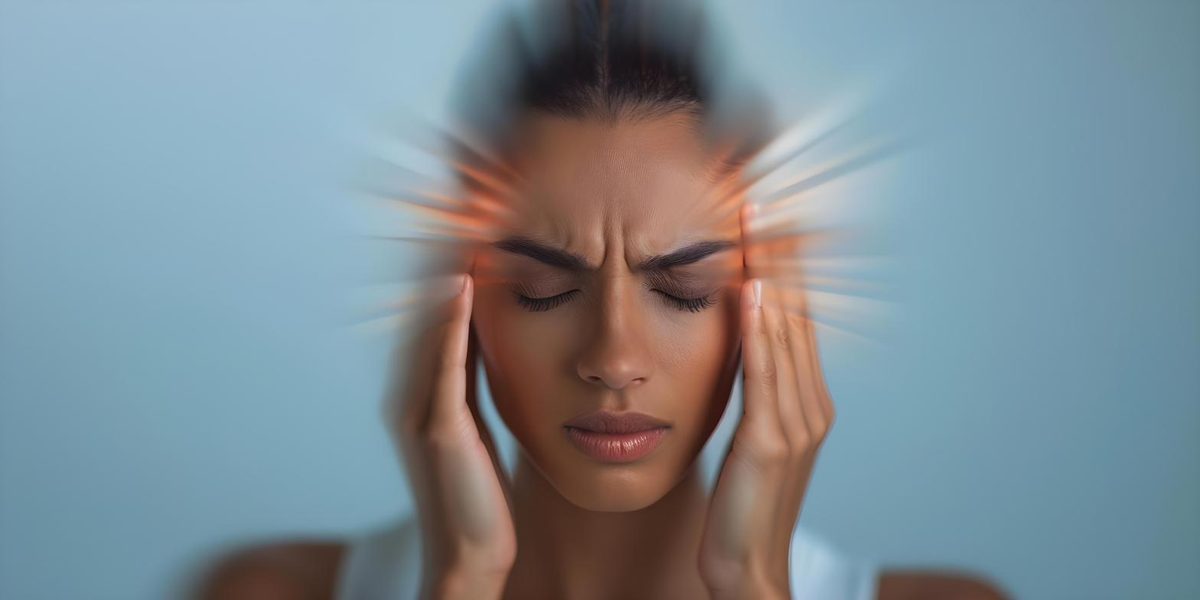
A migraine is a neurological event, often felt as throbbing pain on one side of the head, and frequently accompanied by nausea, sensitivity to light and sound, and visual disturbances (aura). Episodes can last hours to days. Beyond classic migraine, acupuncture is also used as complementary support for tension-type headaches, cluster headaches, hormonal and menstrual migraines, and headaches referred from the neck or jaw.
Common migraine triggers
Identifying and reducing your personal triggers is a key part of long-term relief. Common triggers include stress and anxiety, neck and shoulder tension, poor or irregular sleep, hormonal changes around the menstrual cycle, jaw clenching from TMJ and bruxism, skipped meals and dehydration, and weather or sensory changes such as bright light and strong smells.
How acupuncture may help

Treatment uses advanced acupuncture techniques (including the Master Tung and Balance Method systems) alongside classical Traditional Chinese Medicine (TCM) and, where appropriate, electroacupuncture. Treatment frequently uses distal points (on the arms, hands, legs, and feet) so you can stay comfortable — often resting quietly with your eyes closed, which many patients find settling in itself. Individual results may vary.
| What we aim to influence | How it may help with migraine |
|---|---|
| Pain modulation | May stimulate the body's own pain-regulating pathways and the release of endorphins. |
| Muscular tension | May ease tension in the neck, shoulders, and jaw that can refer pain to the head. |
| Stress response | May support relaxation and a calmer autonomic balance — relevant where stress is a trigger. |
| Sleep | Often addressed alongside care for restless or poor sleep, a frequent migraine trigger. |
What the research suggests
A Cochrane systematic review of acupuncture for episodic migraine prevention reported that, across trials where acupuncture was added to usual care, about 41 in 100 people had the frequency of their headaches at least halved, compared with about 17 in 100 who received usual care only. The review also found acupuncture to be at least as effective as commonly used preventive medications, with generally fewer side effects. The authors graded the evidence as moderate, and as with all care, results vary between individuals. Individual results may vary.
Our approach & what to expect
Your first visit includes a thorough intake — your headache pattern, triggers, sleep, stress, and history. During the first four sessions, we'll see whether your body is responding to treatment. From there, we'll set your treatment plan and how many sessions you're likely to need — this varies from person to person, depending on how long the condition has been present and the pace of progress. Individual results may vary.
Acupuncture is complementary and not a substitute for emergency care. Seek medical attention right away for a sudden, severe "worst headache of your life," a headache with fever and a stiff neck, weakness, numbness, vision loss, confusion or trouble speaking, a headache after a head injury, a brand-new headache after age 50, or a pattern that is rapidly worsening. These can signal a serious condition that needs urgent assessment.
Frequently Asked Questions
During the first four sessions we'll see whether your body is responding to treatment. From there we set your plan and how many sessions you're likely to need — it varies from person to person, depending on how long the condition has been present and your pace of progress. Individual results may vary.
Many patients with cycle-related migraines pursue acupuncture as complementary support, often coordinated with the timing of their cycle. We may also address related concerns such as menstrual pain. Individual results may vary.
Acupuncture needles are very fine, and most people find treatment relaxing. For migraine, points are often placed away from the head — on the hands, arms, legs, and feet (distal needling) — so you can rest comfortably.
Yes. Acupuncture is intended to work alongside your medical care, not replace it. Always follow your physician's guidance on medications.
Yes — tension in the neck and shoulders, and jaw clenching from TMJ and bruxism, can both refer pain to the head. We assess these as part of your treatment.
We are a self-pay practice and do not bill insurance directly. Upon request, we can provide a superbill — an itemized receipt with the codes insurers require — which you may submit to your insurance company for possible out-of-network reimbursement, depending on your plan. Acupuncture is also an eligible expense for most HSA and FSA accounts. Contact us with questions.
Related Conditions & Services
Sources: GBD 2021 — Global, regional, and national burden of disorders affecting the nervous system, 1990–2021 (Lancet Neurology) and GBD 2021 migraine prevalence (~1.16 billion in 2021); MacGregor EA / Vetvik & MacGregor, "Sex differences in the epidemiology, clinical features, and pathophysiology of migraine," Lancet Neurology, 2016 (migraine 2–3× more prevalent in women); Linde K, Allais G, Brinkhaus B, Fei Y, Mehring M, Vertosick EA, Vickers A, White AR, "Acupuncture for the prevention of episodic migraine," Cochrane Database of Systematic Reviews, 2016, Issue 6, Art. No. CD001218.