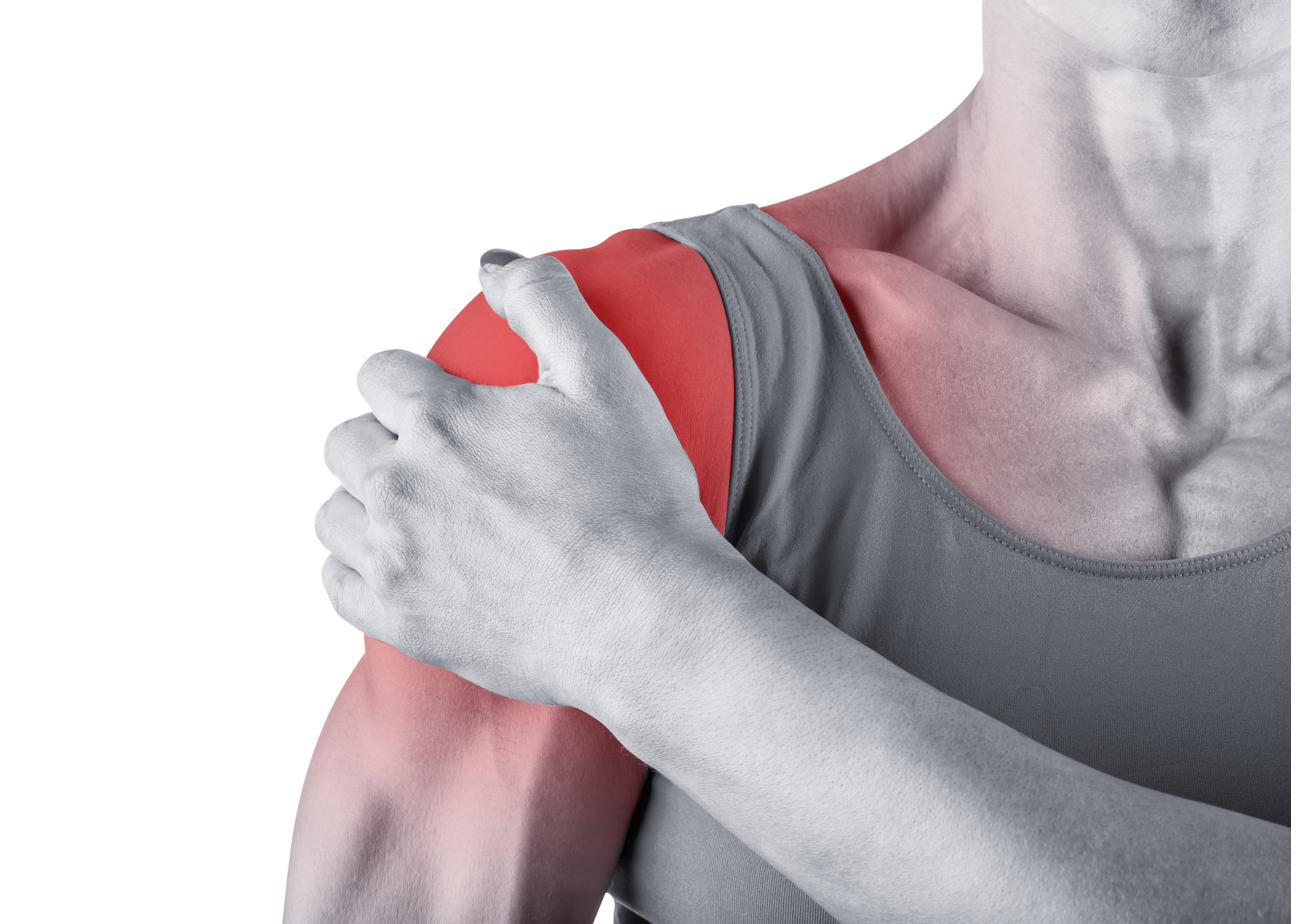
Acupuncture for Shoulder Pain & Frozen Shoulder
Shoulder pain is one of the most common complaints in clinical practice. The shoulder is the most mobile joint in the body — versatile but vulnerable. Pain in this region can range from a dull ache to sharp, disabling discomfort that disrupts sleep, daily activities, and quality of life.
Conditions we treat
Develops from repetitive movements — common in athletes, swimmers, and those with physically demanding work. If untreated, can progress to wider involvement and potentially lead to tendon tears. Acupuncture may reduce inflammation and promote tissue healing.
Inflammation of the bursa — the fluid-filled sac that cushions tendons, ligaments, and muscles from bone. Causes pain with arm movement, swelling, and warmth. Often associated with tendinitis. Can worsen progressively even at rest if untreated.
Wear of the cartilage between shoulder bones, causing immediate pain with movement and a characteristic clicking sound. Can be primary or secondary (post-trauma). Contrary to popular belief, can occur in younger patients — especially after shoulder injury.
A condition characterized by pain even at rest and progressive loss of range of motion due to thickening and scarring of the shoulder capsule. Develops in three stages:
- Freezing stage — increasing pain, gradual loss of motion (6–9 months)
- Frozen stage — pain may lessen but stiffness remains severe (4–12 months)
- Thawing stage — gradual return of movement (6–24 months)
Acupuncture is particularly effective for frozen shoulder — many patients report significant improvement in both pain and range of motion at any stage of the condition. Individual results may vary.
Occurs when the rotator cuff tendons are "pinched" between the shoulder bones during arm elevation or overhead activity. Very common in weightlifters, swimmers, and overhead workers. Causes sharp pain with arm lifting, instability, and tenderness on palpation.
A tear in one or more of the four muscles that rotate and stabilize the shoulder joint. Causes pain and weakness with arm movement. Most commonly age-related degeneration, but also occurs in younger athletes from repetitive overhead activity. Acupuncture may significantly reduce pain and support healing — and in some cases has helped patients avoid surgery. Individual results may vary.
How acupuncture helps
Research suggests acupuncture may benefit shoulder conditions through:
| Benefit | Mechanism |
|---|---|
| Pain reduction | Endorphin release and modulation of pain pathways in the nervous system |
| Reduces inflammation | Decreases prostaglandins and inflammatory markers around joints and tendons |
| Increases range of motion | Releases muscle and fascial tension restricting shoulder movement |
| Supports natural healing | Improves local circulation and tissue repair processes |
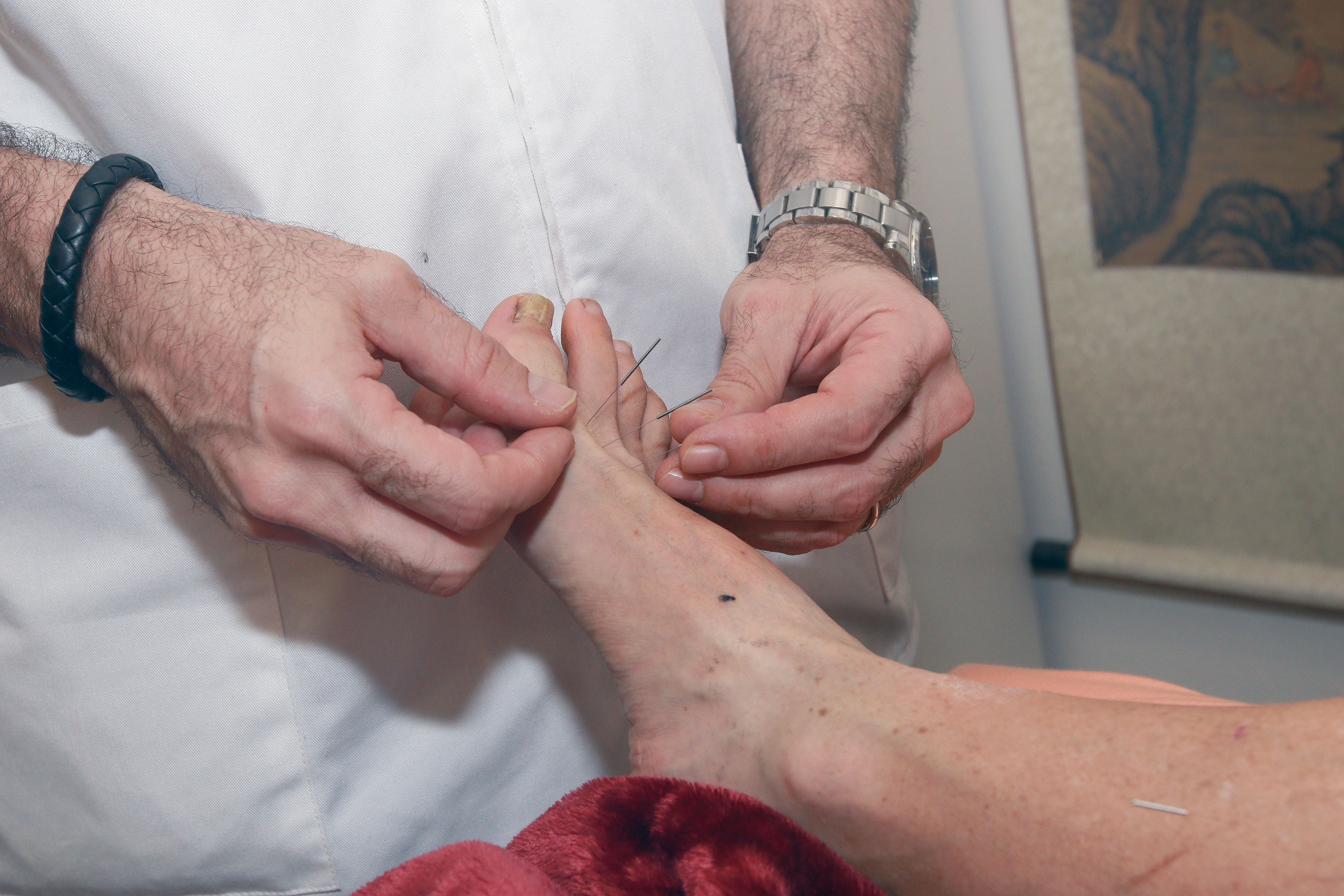
Our approach — why your shoulder is treated through your foot
Treatment here draws on a combination of advanced acupuncture methods — including Master Tung's Acupuncture and Dr. Tan's Balance Method, two highly specialized systems developed beyond conventional TCM (Traditional Chinese Medicine) — combined with classical TCM and electroacupuncture when indicated. While most acupuncturists practice TCM as their primary system, these advanced methods allow for more targeted, faster-acting treatment — which is one of the key reasons patients who haven't found relief elsewhere often do here.
For shoulder conditions, Dr. Tan's Balance Method is particularly powerful — needles placed at mirroring points on the opposite side of the body (the contralateral ankle or foot) can produce immediate release of shoulder pain and a noticeable improvement in range of motion. Patients are often asked to gently move their shoulder during treatment while needles are retained distally — many experience relief within minutes.
Needles may also be placed in the hands, wrists, scalp, or locally along the shoulder depending on the specific condition. For deeper conditions like rotator cuff tears or frozen shoulder, electroacupuncture is frequently incorporated for enhanced effect. Individual results may vary.
Frequently Asked Questions
Yes — frozen shoulder is one of the conditions where acupuncture tends to produce particularly good results. Treatment can help at any stage — reducing pain during the freezing phase, improving range of motion during the frozen phase, and accelerating recovery during the thawing phase. Many patients report significant improvement in both mobility and sleep quality. Individual results may vary.
It depends on the severity. For partial tears and degenerative tears, acupuncture may significantly reduce pain and improve function — and in some cases patients have avoided surgery altogether. For complete tears with significant structural instability, surgery may still be necessary. We always recommend consulting with your orthopedic surgeon and making decisions collaboratively. Acupuncture is not a substitute for surgical evaluation when surgery is medically necessary. Individual results may vary.
I use the first 4 sessions as a clinical assessment — most patients notice meaningful improvement within this period. Acute shoulder pain typically requires 6–10 sessions. Frozen shoulder and rotator cuff conditions generally need 12–16 sessions. Progress is assessed continuously and the plan adjusted accordingly.
Most treatment is performed at distal points away from the painful shoulder — in the foot, ankle, or hand — so there is no direct pressure on the inflamed tissue. When local points are used, needles are placed gently. Most patients are surprised by how comfortable the session is. Many fall asleep during treatment.
Treatment begins twice weekly. Once meaningful improvement is established, we reduce to once weekly, then once every two weeks. Monthly maintenance sessions are recommended after completing the active course to preserve results long-term.
Related Conditions & Services
Sources: American Academy of Orthopaedic Surgeons (AAOS) — rotator cuff and shoulder pain epidemiology; research on acupuncture efficacy for frozen shoulder and rotator cuff conditions; NIH data on shoulder pain prevalence and treatment costs.