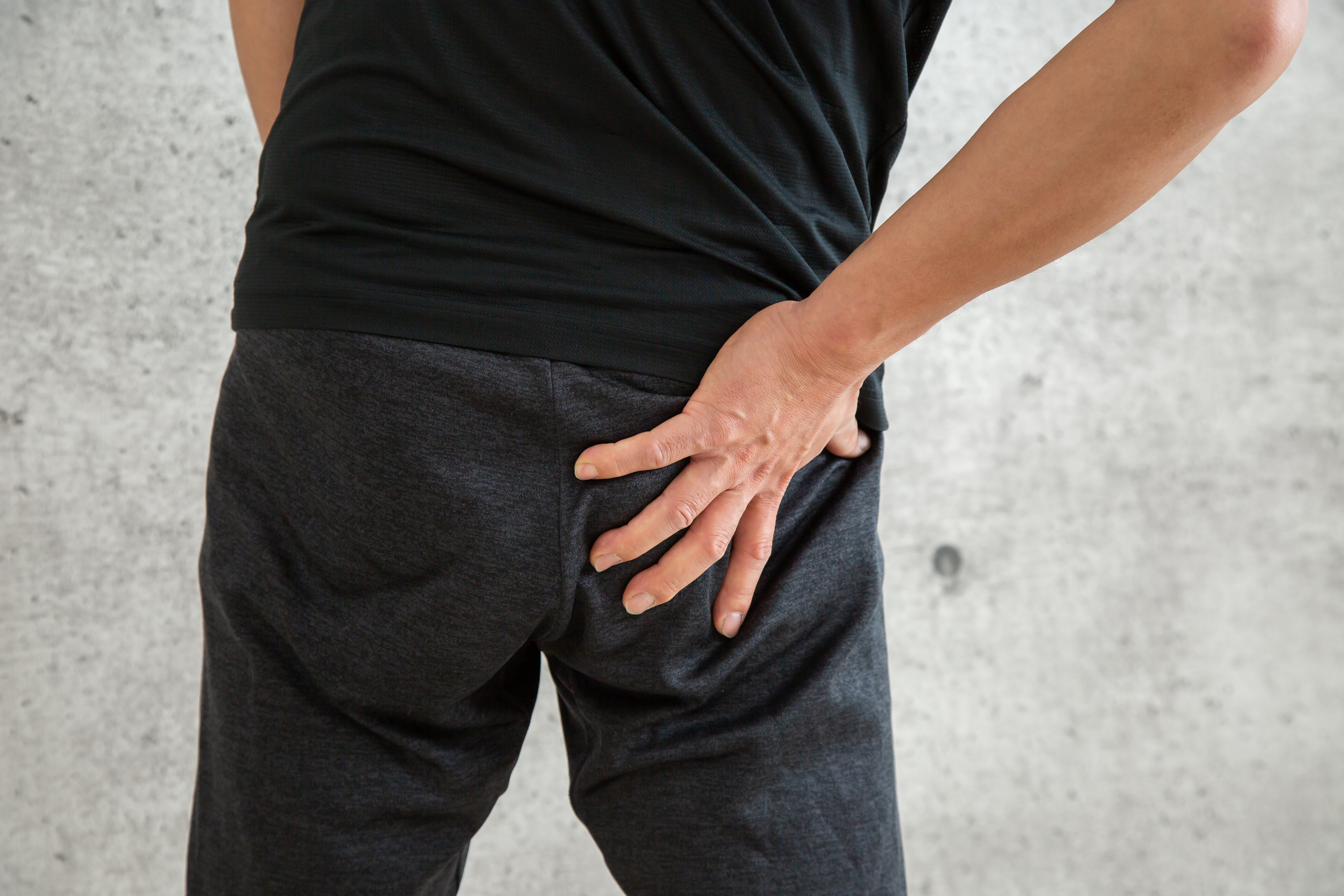
Acupuncture for Sciatica & Sciatic Nerve Pain
Sciatica is one of the most disruptive pain conditions — a shooting, burning, or tingling sensation that radiates down one leg, often accompanied by weakness, numbness, or pain that makes standing, sitting, and even lying down uncomfortable. It can keep you from work, sleep, and the activities you enjoy. When medication and physical therapy alone haven't given you the relief you hoped for, acupuncture — particularly advanced techniques like Master Tung's method — is a drug-free complementary approach many patients turn to for lasting results. Individual results may vary.
What sciatica is
The sciatic nerve is the longest and thickest nerve in the body, running from the lower back, through the buttocks, and down each leg. Sciatica is pain, numbness, or tingling caused by compression or irritation of this nerve. The most common cause is a herniated disc in the lumbar spine, but sciatica can also stem from piriformis syndrome (muscle tightness in the buttock), spinal stenosis, spondylolisthesis, or even prolonged sitting and postural strain. It almost always affects just one side of the body.
How acupuncture may help
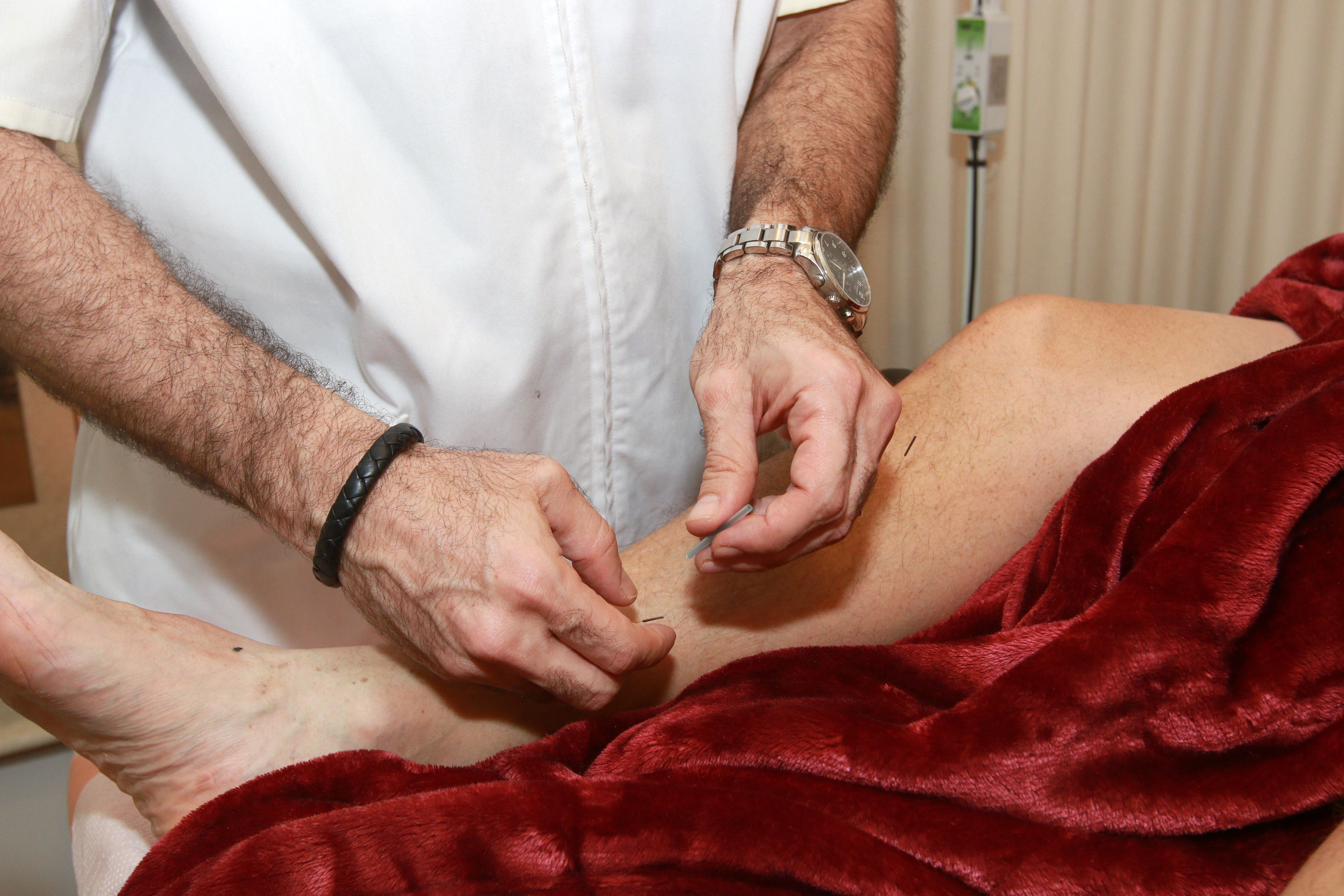
Sciatica responds remarkably well to Master Tung's acupuncture, an advanced system that uses distal points — needles placed far from the site of pain — to influence the affected nerve quickly and deeply. Instead of needling the lower back or leg directly, we place needles on the hands, arms, and sometimes the opposite leg, and many patients feel improvement within a few sessions. This approach is particularly effective for sciatica because it can address the nerve compression and irritation without adding strain to an already vulnerable area. Individual results may vary.
| What we aim to influence | How it may relate to sciatica |
|---|---|
| Nerve compression & irritation | May reduce inflammation around the nerve and ease the pressure causing pain and numbness. |
| Muscle tension & spasm | Tight piriformis and other muscles can compress the sciatic nerve; treatment may ease that tension. |
| Pain signaling | May modulate the pain signal traveling along the nerve, providing relief that extends well beyond the sessions. |
| Circulation & healing | May support blood flow and the body's own healing response to nerve damage or disc herniation. |
| Posture & movement | As pain eases, movement and posture often improve, reducing the strain that caused the sciatica in the first place. |
What the research suggests
Acupuncture has been studied for sciatica with encouraging results. Several randomized controlled trials found acupuncture provided meaningful pain relief and improved function compared to control treatments, and some research suggests it works particularly well when combined with physical therapy. The distal-point approach (which Master Tung's exemplifies) appears especially effective — many patients notice improvement within the first few sessions. Individual results may vary.
Our approach & what to expect
Your first visit includes a full intake and physical assessment — where the pain radiates, what makes it better or worse, your sleep, stress, and medical history. Sciatica often improves quickly with Master Tung's acupuncture. I use the first 4 sessions as a clinical assessment — many patients notice meaningful change within this period, and we then plan the course of care from there. Some patients improve in 6–10 sessions; others benefit from continuing sessions alongside physical therapy or other medical care. Treatment is typically twice weekly at first, tapering to weekly or biweekly as pain eases, with optional maintenance visits to prevent relapse. Individual results may vary.
Acupuncture is complementary and not a substitute for medical evaluation. Please see your physician if you have severe or sudden onset sciatica, progressive weakness or numbness in your leg, loss of bladder or bowel control, or sciatica alongside fever or other signs of infection. In rare cases, these can signal a serious condition requiring urgent medical attention.
Frequently Asked Questions
I use the first 4 sessions as a clinical assessment — many patients notice meaningful change within this period. Recent-onset sciatica often responds within 6–10 sessions. Chronic cases usually benefit from a longer course plus periodic maintenance to prevent relapse. The plan is tailored to your response.
Not necessarily. Master Tung's method uses distal points — needles placed on the hands, arms, and sometimes the opposite leg — which influences the painful sciatic nerve without needling the area directly. This is part of what makes this approach so effective and comfortable.
Yes — many patients try acupuncture before surgery to see if it can provide relief without an operation. If you do choose surgery, acupuncture can also support pain management and recovery afterward, in coordination with your surgeon.
Yes. Acupuncture is intended to work alongside your medical care, not replace it. Never start, stop, or change a prescription without talking to the doctor who prescribed it. If your symptoms improve, discuss any changes with your physician.
Many patients feel improvement within the first 1–3 sessions, especially with Master Tung's approach. Some notice it immediately after a session; others see steady improvement over a few weeks. Everyone's timeline is different.
We are a self-pay practice and do not bill insurance directly. Upon request, we can provide a superbill — an itemized receipt with the codes insurers require — which you may submit for possible out-of-network reimbursement, depending on your plan. Acupuncture is also an eligible expense for most HSA and FSA accounts. Contact us with questions.