
Acupuncture for Hip Pain
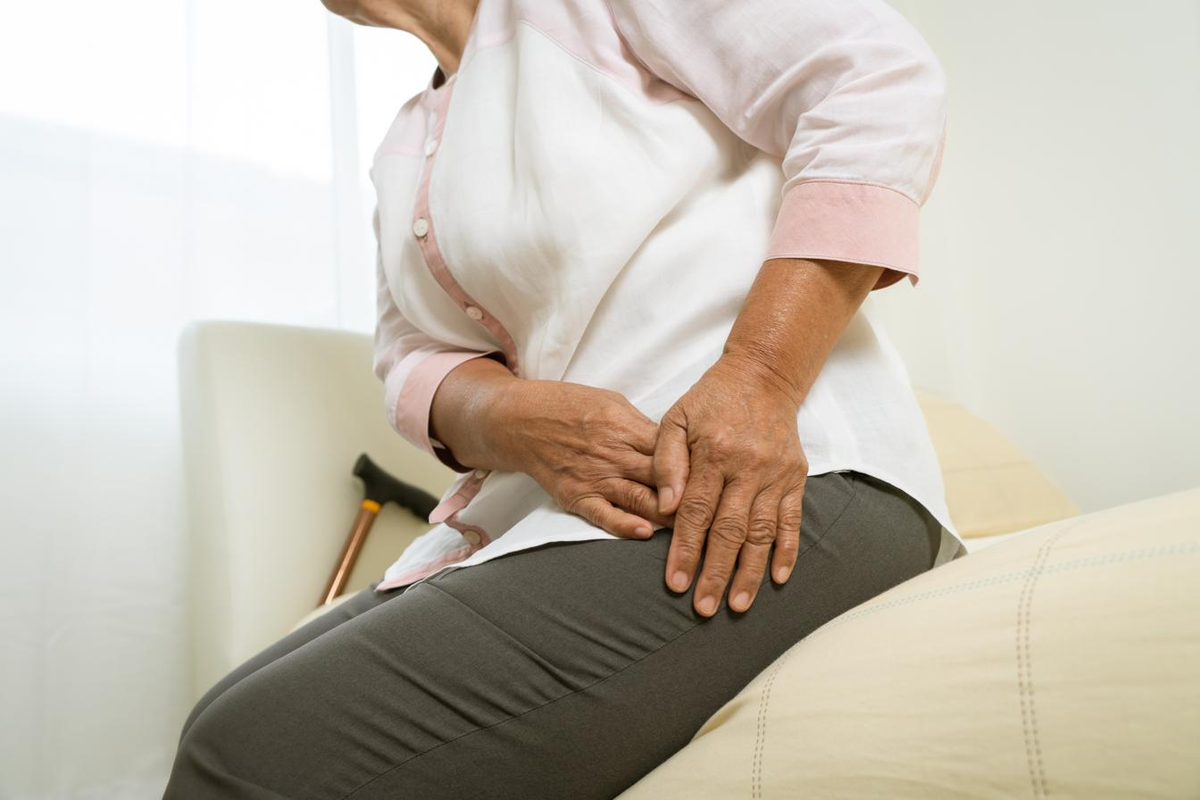
Hip pain can quietly reshape your life. Walking, climbing stairs, sleeping on that side, even sitting comfortably becomes harder when hip pain sets in. Whether the cause is arthritis, a past injury, muscle tightness, or simply wear and tear, hip pain often keeps patients from doing what they love. If rest, medications, and physical therapy alone haven't given you lasting relief, acupuncture is a drug-free complementary approach that may help ease pain and restore mobility. Individual results may vary.
What causes hip pain
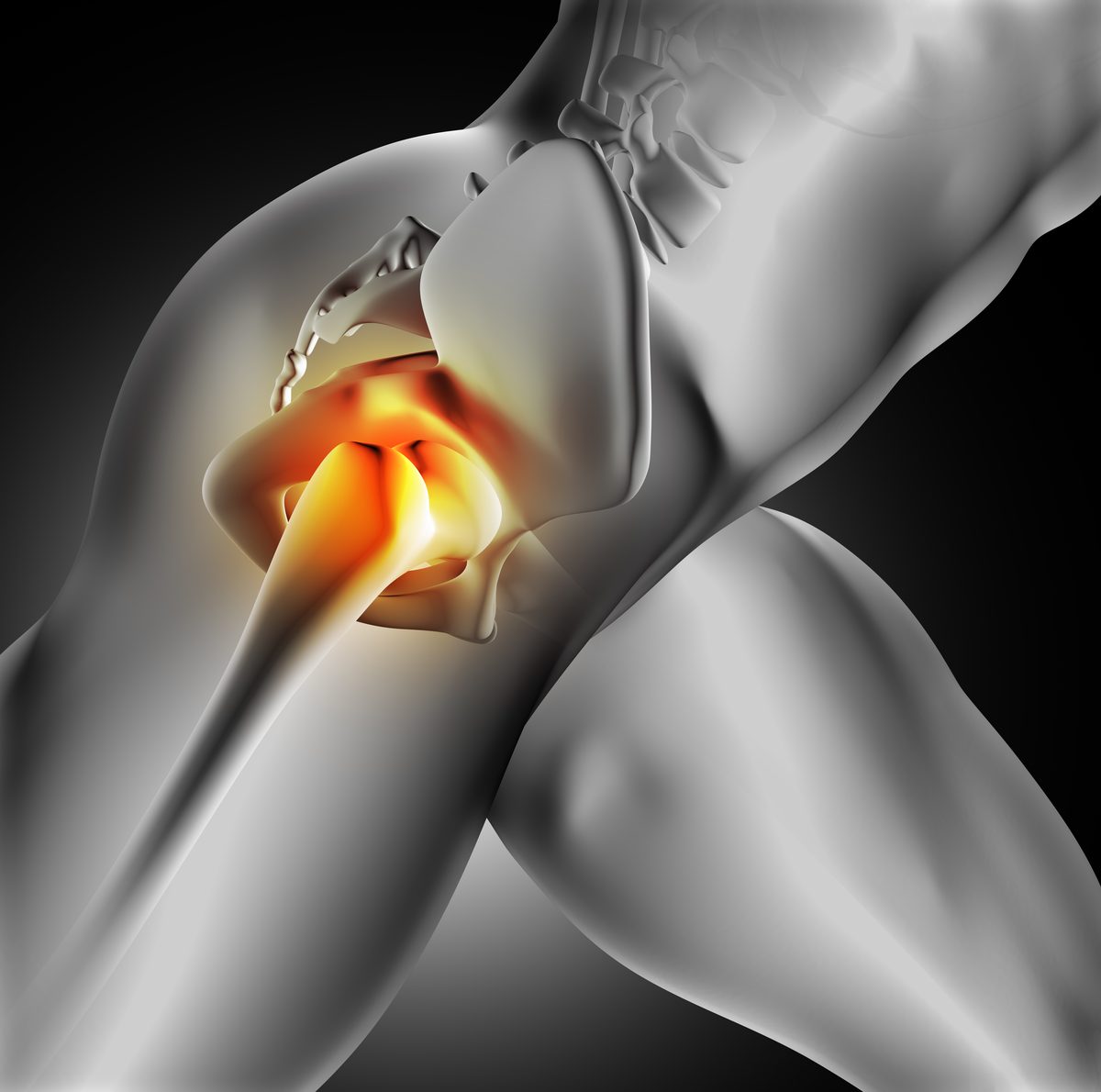
Hip pain can arise from many sources: osteoarthritis (wear-and-tear), rheumatoid arthritis, bursitis, muscle strains, labral tears, postural imbalance, or repetitive overuse from sports or occupational activity. The hip is a ball-and-socket joint bearing much of your body weight with every step, so when it's compromised, the pain can be widespread.
How acupuncture may help
Treatment uses advanced acupuncture techniques, often combining Master Tung's and Dr. Tan's Balance Method alongside classical Traditional Chinese Medicine (TCM). Rather than needling the hip directly, distal points on the hands, feet, and the opposite leg are frequently used to influence pain and mobility. Electroacupuncture may be integrated when indicated, and we often address related areas — the lower back, hips, and knees are interconnected through fascia and meridian pathways. Individual results may vary.
| What we aim to support | How it may relate to hip pain |
|---|---|
| Inflammation & joint health | May reduce inflammatory signals around the hip joint and support tissue healing. |
| Pain signaling | May modulate pain perception and the body's response to joint irritation. |
| Muscle tension | Hip muscles that are tight or imbalanced can compress the joint; treatment may ease this tension. |
| Circulation | May support blood flow to the hip joint, aiding the body's own repair mechanisms. |
| Posture & biomechanics | As pain eases, posture and movement often improve, reducing strain on the hip long-term. |
What to expect
Your first visit includes a detailed intake — your pain location and character, what makes it better or worse, your activity level, and medical history. I use the first 4 sessions as a clinical assessment; many patients notice meaningful improvement within this period. From there, the plan is tailored to your response. Hip pain often responds within 6–10 sessions, though chronic cases may benefit from ongoing care. Treatment typically begins at twice weekly, tapering to weekly, then biweekly, with optional monthly maintenance to support long-term mobility. Individual results may vary.
Acupuncture is complementary and not a substitute for medical evaluation. Please see your physician if you have severe or sudden hip pain, inability to bear weight, deformity after an injury, signs of infection (warmth, redness, fever), or pain alongside systemic symptoms. Hip replacement or other surgical options may be right for you.
Frequently Asked Questions
I use the first 4 sessions as a clinical assessment — most patients notice meaningful change within this period. Hip pain often improves within 6–10 sessions. Chronic or severe cases usually benefit from a longer course plus periodic maintenance. The plan is tailored to your response and the underlying cause.
Yes — hip osteoarthritis is one of the better-studied acupuncture applications. The goal is managing symptoms and preserving mobility rather than reversing joint damage, but many patients find significant pain relief and improved function.
Not necessarily. Using advanced techniques, much treatment can use distal points on the hands, feet, and opposite leg to influence hip pain without needling the joint directly. When local points are used, needles are very fine and placed comfortably.
Yes — acupuncture may help manage pain before surgery and support comfort and recovery afterward, in coordination with your surgeon. Any treatment around a surgical timeline is planned carefully with your medical team.
We are a self-pay practice and do not bill insurance directly. Upon request, we can provide a superbill for possible out-of-network reimbursement. Acupuncture is also an eligible expense for most HSA and FSA accounts. Contact us with questions.