
Acupuncture for Endometriosis in Boca Raton
Endometriosis is a chronic condition where tissue similar to the uterine lining grows outside the uterus, often causing severe pelvic pain, fertility challenges, and significant disruption to daily life. While conventional treatments exist, many women seek complementary approaches like acupuncture for endometriosis to manage pain, support fertility, and address the root imbalances underlying...
What is Endometriosis?
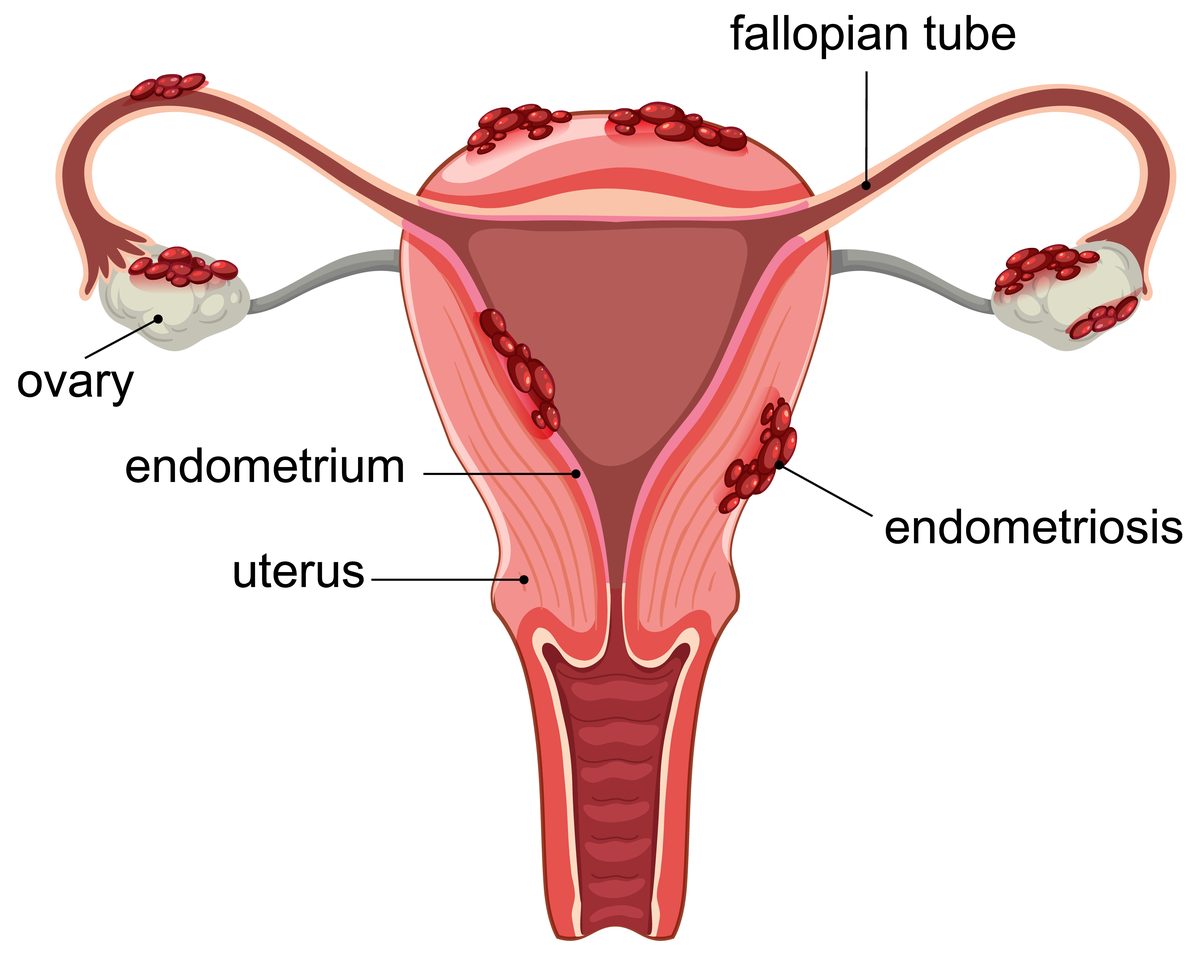
Endometriosis occurs when cells similar to the uterine lining (endometrium) grow in areas outside the uterus—commonly on the ovaries, fallopian tubes, and pelvic tissue. Unlike normal menstrual tissue, this misplaced tissue cannot shed during menstruation, leading to inflammation, scar tissue formation, and chronic pain. Symptoms often include severe menstrual cramps, pelvic pain (especially during menstruation), painful intercourse, heavy bleeding, and sometimes infertility.
The condition is estrogen-dependent and inflammatory in nature, meaning it responds to hormonal fluctuations and involves chronic immune system activation. Diagnosis typically requires laparoscopic surgery, though many women experience symptoms for years before receiving a diagnosis.
Common Symptoms
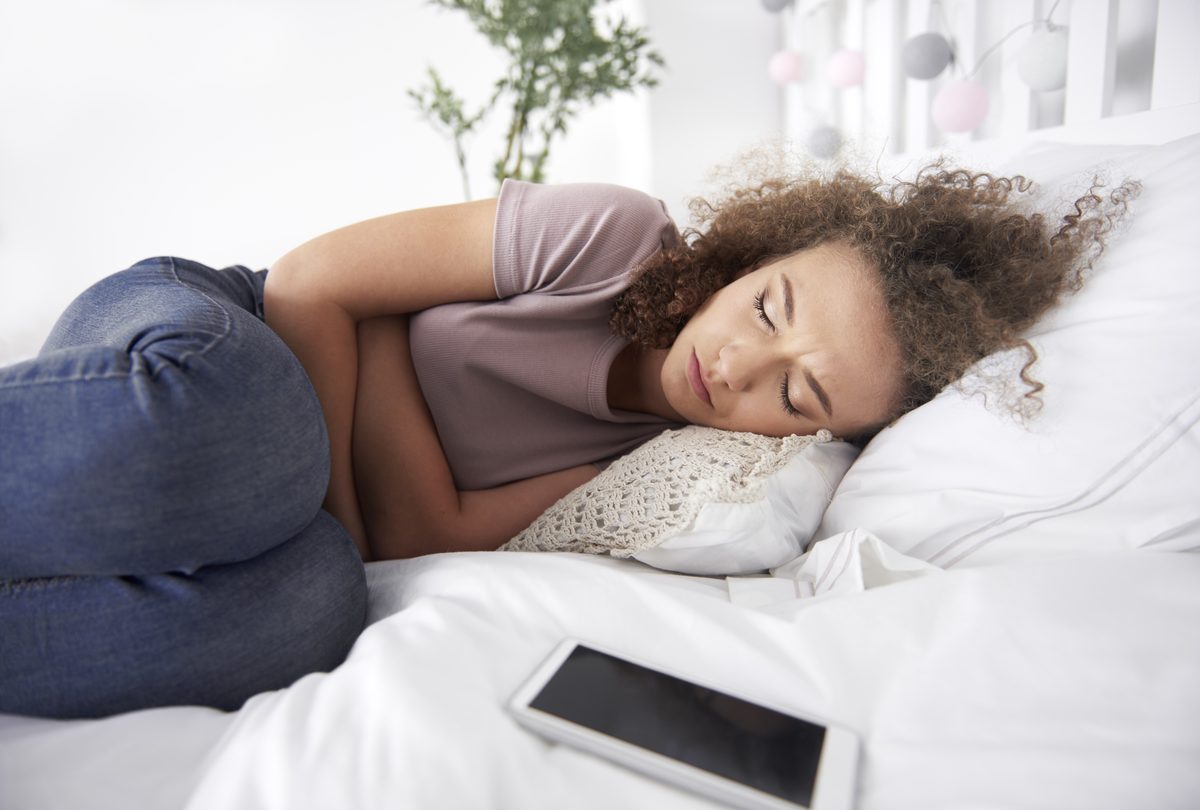
Symptoms of endometriosis vary widely, from mild discomfort to severe, debilitating pain. The severity of symptoms doesn't always correlate with the extent of the disease—some women with extensive endometriosis have few symptoms, while others with minimal disease experience severe pain. Common presentations include:
- Menstrual pain (dysmenorrhea): Severe cramps, often worse than typical menstrual discomfort
- Chronic pelvic pain: Pain throughout the month, not just during menstruation
- Painful intercourse (dyspareunia): Pain during or after sexual activity
- Heavy or irregular bleeding: Abnormal menstrual flow
- Fertility challenges: Difficulty conceiving; about 30–50% of women with endometriosis experience infertility
- Gastrointestinal symptoms: Bloating, constipation, diarrhea, nausea
- Fatigue: Chronic tiredness affecting quality of life
- Emotional impact: Depression, anxiety, social isolation
How Acupuncture May Help Endometriosis
From the perspective of Traditional Chinese acupuncture, endometriosis represents a disruption in the smooth flow of Qi (vital energy) and blood through the pelvic region. In acupuncture theory, this stagnation causes pain, inflammation, and tissue dysfunction. Acupuncture for endometriosis works to restore balanced circulation, reduce inflammation, and support the body's natural healing capacity.
| How Acupuncture Works | Potential Benefits for Endometriosis |
|---|---|
| Improves blood and Qi circulation through meridian stimulation | May reduce pelvic pain and inflammation; research shows pain reduction averaging 1.36 points on a 10-point scale |
| Regulates inflammatory markers (reduces CA-125 levels) | May lower markers associated with endometrial activity; improves systemic inflammation |
| Reduces stress and supports nervous system balance | May ease emotional symptoms (anxiety, depression); stress reduction can help hormone regulation |
| Supports hormonal balance through endocrine regulation | May help normalize menstrual cycles and improve fertility outcomes when combined with conventional care |
| Activates natural pain relief pathways (endogenous opioids, serotonin) | May reduce reliance on pain medications; complements conventional pain management |
TCM Syndromes Associated with Endometriosis
In Traditional Chinese Medicine, endometriosis is understood through several overlapping patterns of disharmony. Ronen's acupuncture approach identifies which pattern (or combination) applies to your unique presentation, then tailors treatment accordingly. Common TCM patterns include:
The primary pattern in endometriosis. Qi and blood cannot circulate freely through the pelvic meridians (especially the Conception and Governing Vessels—the *Chong* and *Ren* meridians). This stagnation obstructs the normal flow and creates pain, especially sharp, fixed pain with dark menstrual blood containing clots. Blood stasis over time leads to tissue accumulation (the literal endometrial lesions). Emotional stress and Liver Qi stagnation often accompany this pattern, manifesting as mood swings, irritability, breast tenderness, and irregular menstruation alongside pelvic pain.
When cold (from exposure, diet, or weak digestive fire) enters the pelvic region, it further congeals blood, worsening stagnation. Symptoms include severe cramping, preference for heat (heating pad), pale menstrual blood, and cold sensations in the lower abdomen.
Weak Spleen function impairs the body's ability to transform food into nourishing Qi and blood, and allows dampness (a heavy, sticky pathogenic factor) to accumulate. Symptoms include bloating, heavy sensation, loose stools, fatigue, and pale menstrual blood.
Insufficient warming energy in the Kidneys (the body's foundational Qi) leads to poor blood circulation, weak metabolism, and hormonal imbalance. Symptoms include cold sensations, low back pain, fatigue, scanty periods, and reduced fertility.
Our Acupuncture Approach to Endometriosis
Ronen uses an integrated four-system approach to treat endometriosis-related pain and support fertility:
1. Traditional Chinese Medicine (TCM)
The foundation. Once your TCM pattern is identified (qi stagnation, blood stasis, cold, deficiency, etc.), acupuncture needles are placed at specific meridian points to restore circulation and balance. Distal points (on the legs, arms, hands, feet) are often primary, following the principle of treating at distance to avoid aggravating the local pelvic inflammation. Local abdominal and sacral points are used as clinically indicated to address the root imbalance.
2. Master Tung's Acupuncture (an advanced acupuncture system)
A specialized system emphasizing distal needling. Points far from the pain site (e.g., on the legs and arms) are needled to address pelvic pain through sophisticated meridian logic. This approach is particularly effective for chronic conditions like endometriosis because it avoids local trauma while powerfully regulating distant tissue.
3. Dr. Tan's Balance Method (an advanced acupuncture method)
Emphasizes symmetry and contralateral (opposite-side) balancing. If pain is on the right side of the pelvis, corresponding points on the left side (wrist, ankle) are needled to restore symmetry and reduce inflammation.
4. Auricular Acupuncture
The ear is a microsystem containing points that correspond to the entire body. Points for the uterus, ovaries, Shen (spirit/emotional calm), endocrine system, and pain regulation are needled or stimulated to support healing and reduce stress—a key factor in endometriosis severity.
Additional Modalities
- Electroacupuncture: Gentle electrical stimulation between needle pairs (when indicated, case-by-case) to enhance pain relief and blood circulation
- Cupping: Suction therapy to release muscle tension and boost pelvic circulation
- TDP Heat Lamp: Far-infrared mineral heat therapy (used instead of moxibustion in-clinic) to warm the pelvic region and support Qi flow
- Chinese Herbal Medicine (Educational): While not offered on the U.S. site, herbal support is an important part of comprehensive TCM endometriosis care. Many women benefit from blood-activating herbs like *Dan Shen* (Salvia miltiorrhiza), *Chi Shao* (red peony), and classical formulas like Gui Zhi Fu Ling Wan (cinnamon and poria formula) to support blood circulation and inflammation reduction
What to Expect During Treatment
Endometriosis is a complex, chronic condition. Treatment planning reflects this reality:
Frequency and Duration
Minimum 10 sessions is the typical framework for endometriosis. We begin with twice-weekly sessions for at least the first 2 weeks, then adjust frequency based on your response. Many women continue weekly or biweekly for 6–8 weeks, coordinating treatment around your menstrual cycle when possible. The goal is to address both acute pain and the underlying blood stasis pattern.
During a Session
- Assessment: We discuss current symptoms, menstrual patterns, pain location, and emotional stress
- Needling: Hair-thin needles are placed at acupoints (mostly distal—on legs, arms, hands; some local if appropriate) to restore Qi and blood circulation. You may feel a slight sensation of heaviness, warmth, or mild ache (called deqi)—a sign the point is activated
- Resting: Needles remain in place for 40–45 minutes while you rest. Many patients fall asleep, which is deeply therapeutic
- Additional therapies: Cupping, heat lamp, or gentle abdominal massage may be added
- Aftercare: We discuss rest, hydration, any dietary adjustments, and stress management to support healing between sessions
Progress and Response
Pain relief often begins within 1–3 sessions, though deeper tissue healing takes time. By session 4–6, you should notice clearer patterns: reduced pain severity, longer pain-free windows, improved menstrual regularity, or better emotional resilience. The menstrual cycle itself is a natural healing tool—each month presents an opportunity for fresh results as hormones shift.
Seek immediate medical evaluation if you experience severe, sudden pelvic pain (may indicate cyst rupture or other emergency), fever with pelvic pain, or signs of sepsis. Acupuncture does not replace surgical diagnosis or emergency care. Always maintain contact with your gynecologist for monitoring and imaging as needed.
Research & Sources
This page is based on peer-reviewed research and clinical evidence. Individual results may vary. Acupuncture is a complementary therapy and does not replace medical diagnosis or treatment.
What the research says
Research on acupuncture specifically for endometriosis is growing, with studies showing meaningful reductions in pelvic pain and dysmenorrhea.
- Systematic review and meta-analysis: Zhu et al. (PLOS ONE, 2017) reviewed 10 RCTs and found acupuncture significantly reduced endometriosis-related pain scores compared to sham and medication controls, with a good safety profile.
- Dysmenorrhea mechanism: Acupuncture may reduce prostaglandin F2α production and modulate inflammatory cytokines relevant to endometrial lesion activity — providing plausible mechanisms beyond simple pain relief.
- Honest framing: Endometriosis requires medical management; acupuncture is offered as supportive care for pain and quality of life alongside your gynecologist's treatment plan, not as a treatment for the lesions themselves. Individual results may vary.
Acupuncture is complementary care for endometriosis. It does not treat, shrink, or remove endometrial lesions. Always follow your gynecologist's medical and surgical management plan. Individual results may vary.