

Acupuncture for Anxiety in Boca Raton
Anxiety is one of the most common mental health conditions in America, affecting more than 40 million adults annually. Whether you experience generalized worry that won't quiet down, panic attacks that strike without warning, dizziness and tremors when facing social situations, or the sense that something is always about to go wrong, acupuncture may help reduce anxiety symptoms and restore a...
What Is Anxiety?
Anxiety is a natural response to perceived threat, but when it becomes persistent, difficult to control, and interferes with daily life, it crosses into a disorder. Anxiety disorders include:
- Generalized Anxiety Disorder (GAD): Constant worry about multiple aspects of life—work, health, finances, relationships—that persists even when there's no immediate threat.
- Panic Disorder: Sudden, intense episodes of terror accompanied by physical symptoms: racing heart, chest pain, shortness of breath, dizziness, sweating, and a sense of losing control or dying.
- Social Anxiety Disorder: Intense fear of social situations where you might be judged, embarrassed, or scrutinized. Often accompanied by tremors, blushing, difficulty speaking, and avoidance of social settings.
- Generalized Anxiety: Persistent nervousness, tension, and worry that affects sleep, concentration, and quality of life.
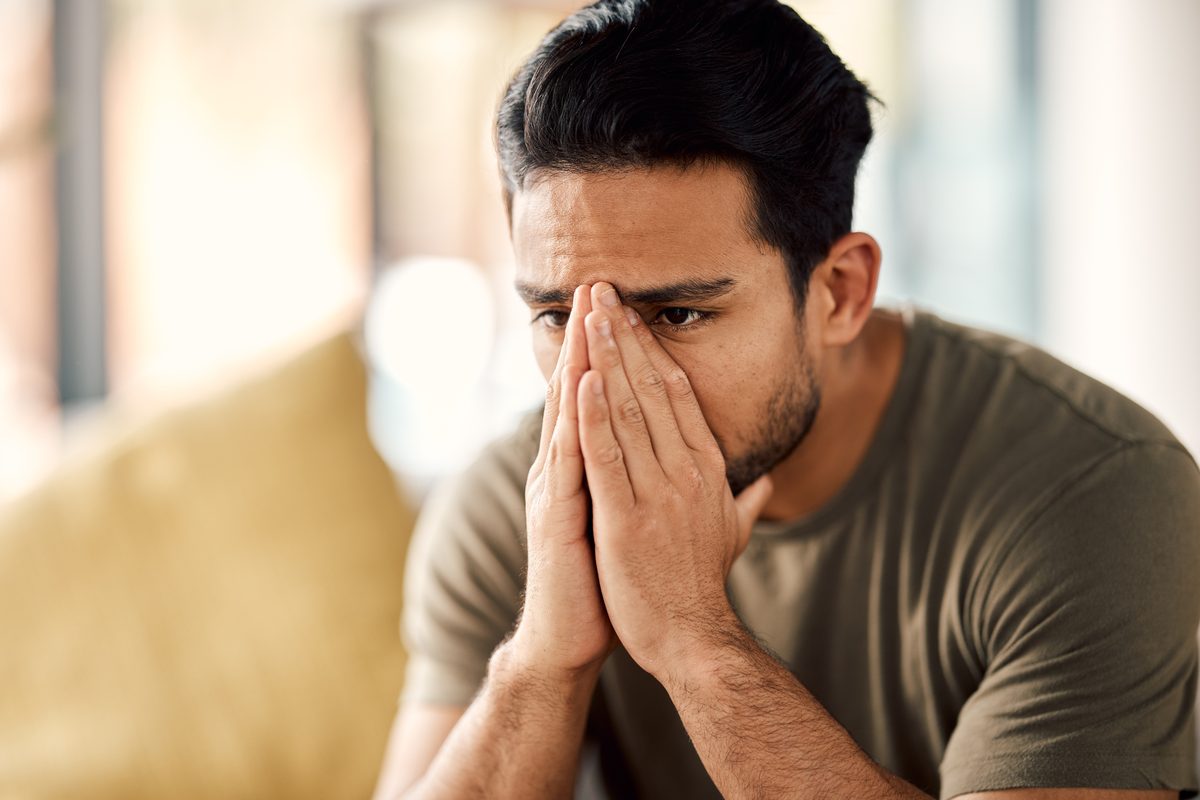
How Anxiety Feels
Anxiety is not "just in your head." It's a full-body experience:
- Racing or pounding heart, chest tightness
- Shallow breathing, shortness of breath
- Tremors, shaking, muscle tension
- Dizziness, lightheadedness, or vertigo
- Sweating, hot flashes, chills
- Nausea, stomach pain, digestive upset
- Difficulty concentrating or "brain fog"
- Sleep disruption, nightmares, hypervigilance
- Sense of impending doom or loss of control
- Avoidance of situations that trigger anxiety
How Acupuncture May Help Anxiety
Acupuncture is a complementary therapy that may help regulate the nervous system's response to anxiety. Research on acupuncture for generalized anxiety disorder shows promising results. Individual results may vary.
| Acupuncture Mechanism | Effect on Anxiety |
|---|---|
| Vagal Stimulation | Activates the vagus nerve, shifting the body from "fight or flight" (sympathetic) to "rest and digest" (parasympathetic). This calms the nervous system and lowers heart rate and blood pressure. |
| Neurotransmitter Release | Acupuncture may increase GABA, serotonin, and endorphins—neurotransmitters that promote relaxation, mood stability, and pain reduction. Low GABA levels are linked to anxiety and sleep disruption. |
| Cortisol Regulation | Acupuncture may help lower cortisol, the stress hormone. Chronic elevated cortisol maintains anxiety and undermines the immune system. Research suggests acupuncture can reduce cortisol levels in stressed individuals. |
| HPA Axis Rebalancing | The hypothalamic-pituitary-adrenal (HPA) axis regulates stress response. Chronic anxiety dysregulates this axis. Acupuncture may help restore balance, reducing the body's baseline anxiety state. |
| Blood Flow & Oxygenation | Acupuncture increases blood flow to the brain and calms areas associated with fear processing (amygdala). Better oxygenation supports cognitive function and emotional regulation. |
| Emotional Processing | By calming the nervous system, acupuncture creates space for the body to process trapped emotions and anxious patterns. Many patients report feeling emotionally lighter after sessions. |
Our Approach to Anxiety Acupuncture
TCM Pattern Analysis
In Chinese acupuncture, anxiety arises from imbalances in multiple systems working together. Our assessment identifies your specific pattern—whether anxiety stems from Heart Blood Deficiency (lack of nourishment to calm the mind), Spleen Qi Deficiency (weakened digestive and immune function affecting emotional resilience), Heart Yin Deficiency (insufficient cooling fluid leading to restlessness), or Kidney Yang Deficiency (depleted foundational warmth and confidence). Treatment is customized to address your root pattern, not just symptoms.
Master Tung's Acupuncture (an advanced acupuncture system)
Master Tung's approach uses precise distal points—needles placed far from the site of the problem. For anxiety, we may use points on the hands, forearms, legs, and feet that have a powerful calming effect. This system is particularly effective for anxiety because specific point combinations can rapidly shift the nervous system from hyperarousal to calm.
Dr. Tan's Balance Method (an advanced acupuncture method)
This technique uses symmetrical, contralateral (opposite-side) needling to rebalance the body's left and right sides. For anxiety, balance method points help settle scattered energy and restore the sense of being "grounded" and centered. Many patients report profound relaxation during treatment.
Auricular (Ear) Acupuncture
The ear is a microsystem where the entire body is mapped in miniature. Specific ear points directly calm the nervous system and reduce anxiety symptoms. Auricular acupuncture is often combined with body needling for enhanced effect. Many patients find ear treatment deeply soothing.
Treatment Details
- Needle Retention: 40–45 minutes, allowing the nervous system time to shift into relaxation
- Frequency: Twice weekly initially; as anxiety decreases, sessions ease to once weekly, then maintenance every 2–4 weeks
- All four systems are integrated to provide the fastest and most comprehensive anxiety relief
What to Expect During Treatment
First 4 Sessions: We use the first four sessions to assess how your body responds to acupuncture and to identify which points and systems work best for your specific anxiety pattern. You may feel shifts in anxiety levels, sleep, and emotional state even during this assessment window.
Session Plan: After the initial four sessions, we set the total treatment plan together based on how you've responded and how long anxiety has been present. Chronic anxiety typically requires 8–12 sessions for substantial, lasting improvement.
During Sessions: You'll lie comfortably on a treatment table. Needles are very thin and insertion is usually painless or produces only a brief, gentle sensation. Once needles are in place, most patients experience deep relaxation, sometimes even falling asleep. The treatment room is quiet and calm. Many report that sessions feel like a "reset button" for their nervous system.
After Sessions: Most people feel calmer immediately after treatment. Some experience mild fatigue (which reflects nervous system relaxation), while others feel energized. Avoid strenuous exercise and alcohol for 4–6 hours post-treatment to allow the calming effects to integrate.
Lifestyle Support: Acupuncture works best when paired with support for your nervous system. Consider gentle movement (walking, yoga), consistent sleep, and reducing caffeine. Some patients benefit from stress reduction techniques practiced between sessions.
When to Seek Medical Care
- Chest pain or pressure (rule out cardiac causes)
- Severe shortness of breath or difficulty breathing
- Suicidal thoughts or self-harm impulses
- Thoughts of harming others
- Psychotic symptoms (hallucinations, delusions)
Acupuncture is a complementary therapy and does not replace emergency evaluation or psychiatric care when needed.
What the research says
Anxiety is one of the better-studied mental health applications of acupuncture, with evidence across generalized anxiety, preoperative anxiety, and anxiety associated with chronic illness.
- Generalized anxiety disorder: A systematic review and meta-analysis in Evidence-Based Complementary and Alternative Medicine (Goyata et al., 2016) analyzed 13 RCTs and found acupuncture significantly reduced anxiety scores compared to sham and waitlist controls, with a favorable safety profile.
- Autonomic regulation: Acupuncture consistently shifts the autonomic nervous system toward parasympathetic dominance — reducing heart rate variability associated with the fight-or-flight state — providing a physiological basis for its calming effects. (Agelink et al., reviewed across multiple studies)
- Anxiety alongside chronic illness: A Cochrane review of acupuncture for cancer patients (Lian et al., 2014) found meaningful reductions in anxiety scores alongside improvements in quality of life — suggesting benefit even in high-stress clinical contexts. Individual results may vary.
- GABA and serotonin: Laboratory and clinical research shows acupuncture may increase GABA and serotonin availability — the primary neurotransmitters targeted by anti-anxiety medication — offering a plausible neurochemical mechanism. (Multiple preclinical and clinical studies; a definitive large-scale RCT on this specific mechanism is still pending.)
Acupuncture is a complementary therapy and does not replace evaluation or treatment by a licensed mental health professional. Individual results may vary.