
Acupuncture for Peripheral Neuropathy
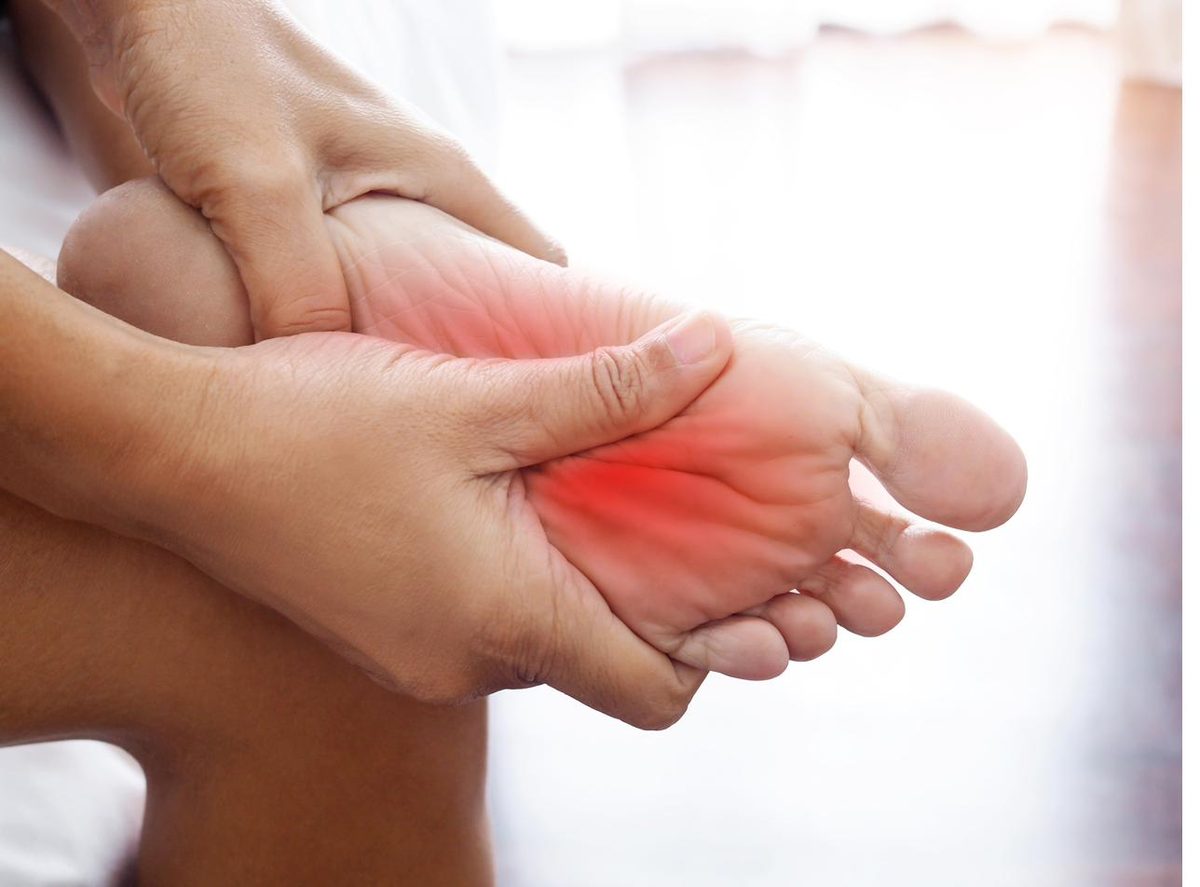
Peripheral neuropathy — the burning, tingling, numbness, and stabbing pain that often begins in the feet or hands — can be one of the most frustrating conditions to live with, in part because conventional options are limited and the side effects of nerve medications are difficult for many patients. Acupuncture, and especially electroacupuncture , offers a drug-free approach that many patients...
What is peripheral neuropathy?
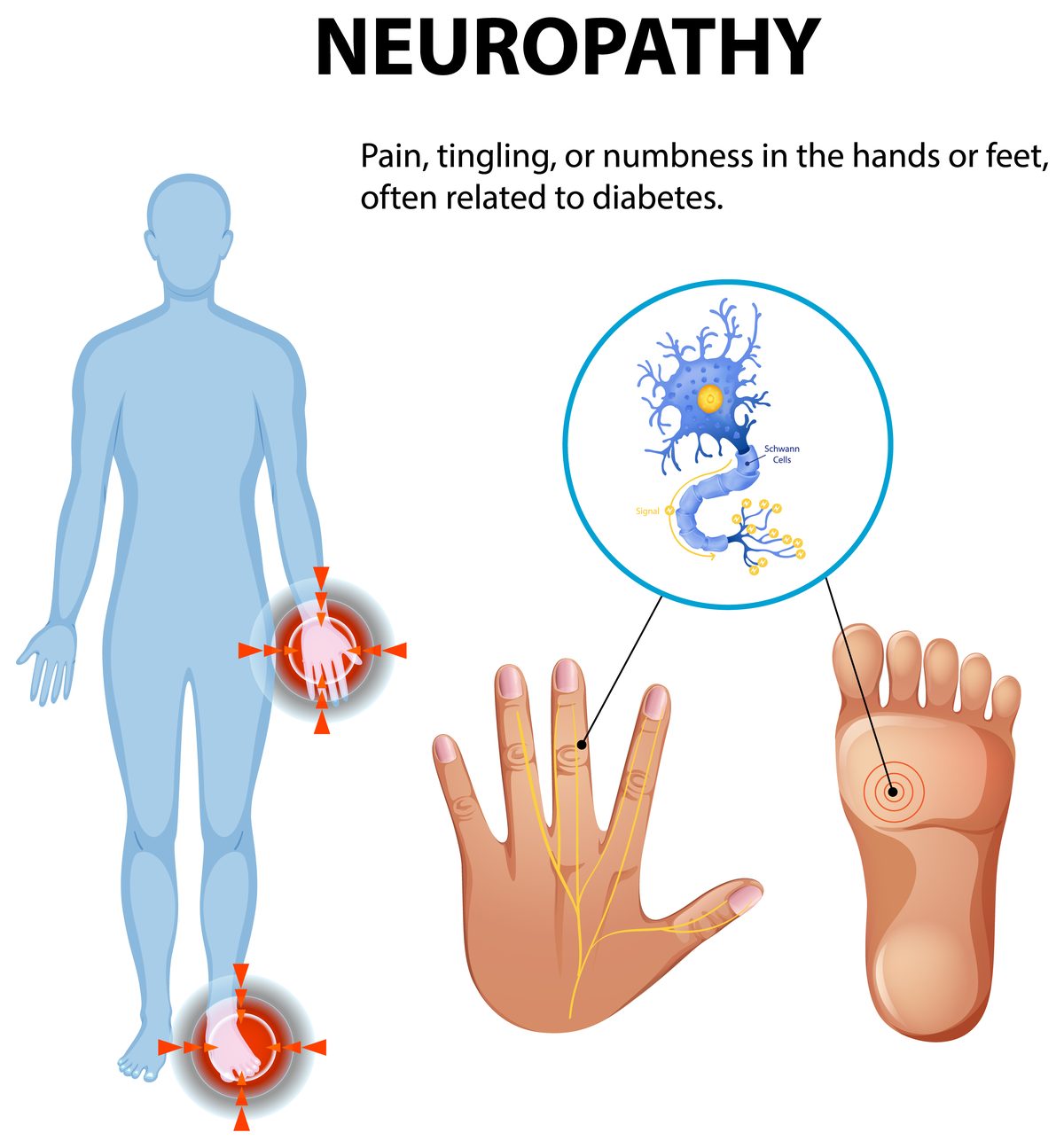
Peripheral neuropathy refers to damage or dysfunction of the peripheral nerves — the nerves that carry signals between the brain and spinal cord and the rest of the body. It most often affects the longest nerves first, which is why symptoms usually begin in the feet and hands in a "stocking and glove" pattern. Symptoms range from numbness and tingling to burning pain, sensitivity to touch, muscle weakness, and balance problems.
Common causes
| Cause | Notes |
|---|---|
| Diabetes (diabetic neuropathy) | The most common cause; high blood sugar damages small nerves over time |
| Chemotherapy (CIPN) | Certain chemo drugs damage nerves, often in the hands and feet |
| Nerve compression or injury | Trauma, surgery, or pressure on a nerve |
| Vitamin deficiencies | Especially B12; also thyroid and autoimmune conditions |
| Idiopathic | In many cases no single cause is identified |
Common symptoms
Often the first sign, usually starting in the toes or fingertips and gradually spreading.
Frequently worse at night; can range from mild to severe and disrupt sleep.
Reduced sensation in the feet makes balance harder, increasing the risk of falls.
Chemotherapy-Induced Peripheral Neuropathy (CIPN)
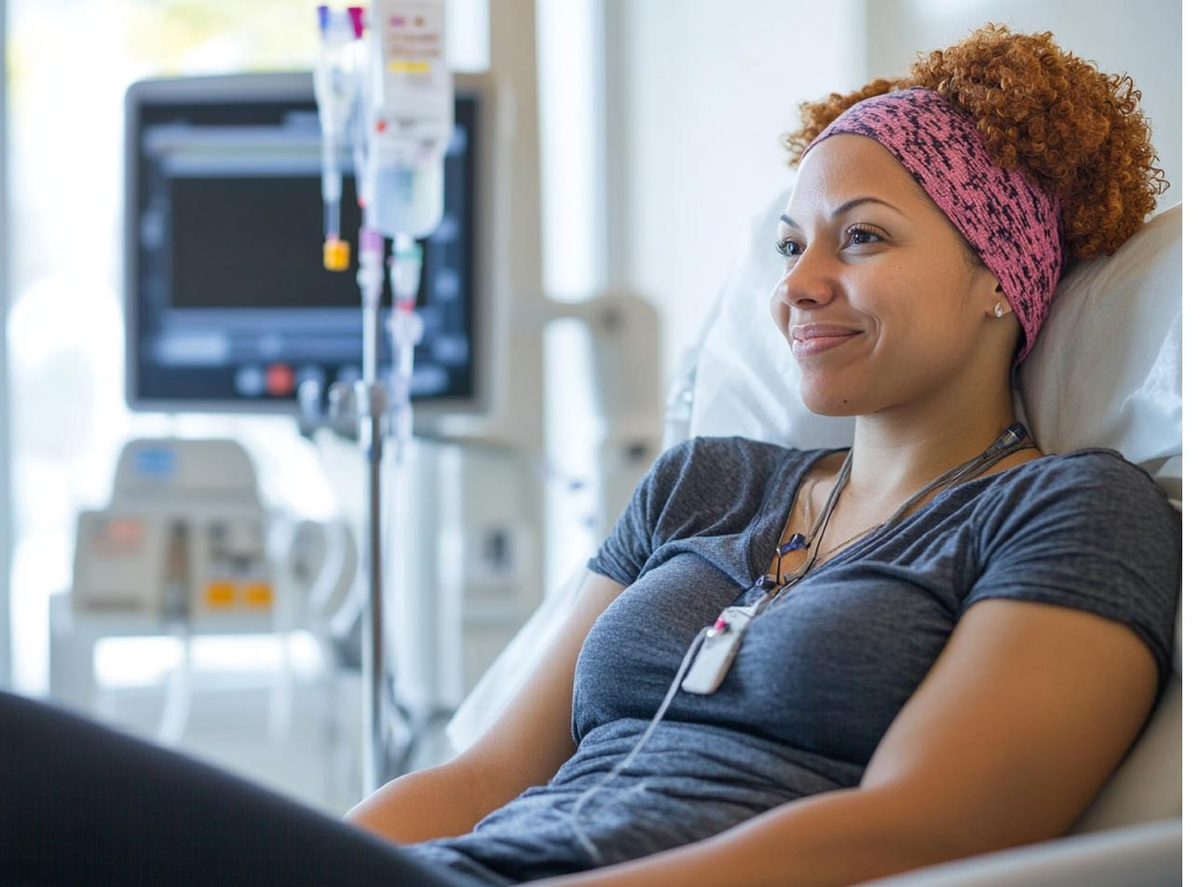
For patients undergoing or recovering from cancer treatment, chemotherapy-induced peripheral neuropathy (CIPN) is a common and distressing side effect — numbness, tingling, and pain in the hands and feet that can persist long after treatment ends. Acupuncture is one of the most-studied complementary approaches for CIPN, and may help manage these symptoms alongside oncology care. We always coordinate respectfully with your oncology team. If you are receiving cancer care, contact us to discuss whether acupuncture is appropriate for your situation.
A 2020 randomized controlled trial found acupuncture reduced CIPN symptoms in cancer survivors compared to usual care (Bao T. et al., JAMA Network Open; and Molassiotis et al., 2019). Evidence is growing but not yet conclusive. Individual results may vary.
How acupuncture may help
Research suggests acupuncture and electroacupuncture may help neuropathy through several mechanisms:
| Benefit | Mechanism |
|---|---|
| Improved circulation | May increase blood flow to the small nerves of the hands and feet, supporting nerve health |
| Nerve stimulation | Electroacupuncture directly stimulates affected nerve pathways |
| Pain modulation | Endorphin release and changes in how pain signals are processed |
| Reduced inflammation | May lower inflammatory activity contributing to nerve irritation |
A systematic review found acupuncture may improve symptoms and nerve conduction in diabetic peripheral neuropathy (Dimitrova A. et al., Journal of Alternative and Complementary Medicine, 2017). Evidence is encouraging but further high-quality trials are needed. Individual results may vary.
Our approach
Treatment uses advanced acupuncture techniques alongside classical Traditional Chinese Medicine (TCM) and electroacupuncture, which is especially valuable for nerve conditions. Because neuropathy affects the small nerves of the extremities, treatment focuses on restoring circulation and nerve signaling to the hands and feet, while also addressing any underlying patterns of imbalance. Individual results may vary.
What to expect
Treatment is typically recommended twice weekly at first. I use the first 4 sessions as a clinical assessment — most patients notice meaningful change within this period. Neuropathy often requires a longer, consistent course because nerve tissue recovers slowly; once improvement is established, frequency is reduced gradually, with maintenance sessions to preserve results.
Peripheral neuropathy can be a sign of an underlying condition (such as diabetes or a vitamin deficiency) that needs medical management. Acupuncture is a complementary approach and works best alongside your physician's care — not as a replacement. Seek prompt medical attention for sudden weakness, rapidly spreading numbness, or loss of bladder/bowel control.
Related Conditions & Services
Sources: National Institute of Neurological Disorders and Stroke (NINDS/NIH) — neuropathy prevalence; National Institute of Diabetes and Digestive and Kidney Diseases (NIDDK) — diabetic neuropathy; Seretny M. et al., "Incidence, prevalence, and predictors of chemotherapy-induced peripheral neuropathy," Pain, 2014; Dimitrova A. et al., "Acupuncture for the treatment of peripheral neuropathy," Journal of Alternative and Complementary Medicine, 2017; Molassiotis A. et al., 2019; Bao T. et al., JAMA Network Open, 2020.
What the research says
Peripheral neuropathy — whether from diabetes, chemotherapy, or idiopathic causes — is an active area of acupuncture research, with controlled trials showing meaningful symptomatic benefit.
- Diabetic peripheral neuropathy: A systematic review and meta-analysis (Chen et al., Evidence-Based Complementary and Alternative Medicine, 2013) found acupuncture significantly reduced pain and improved nerve conduction velocity in diabetic peripheral neuropathy compared to medication alone, across 8 RCTs.
- Chemotherapy-induced peripheral neuropathy (CIPN): A randomized trial at Memorial Sloan Kettering (Bao et al., JAMA Oncology, 2020) found acupuncture significantly reduced CIPN symptoms compared to sham, with improvements in pain, numbness, and tingling maintained at follow-up.
- Mechanism: Acupuncture may support peripheral nerve function through local microcirculation improvement, anti-inflammatory cytokine modulation, and neurotrophin release — all of which are relevant to neuropathic pain. Individual results may vary.
Acupuncture is a complementary option for neuropathy alongside medical management. Progressive or worsening neuropathy warrants ongoing neurological evaluation. Individual results may vary.