
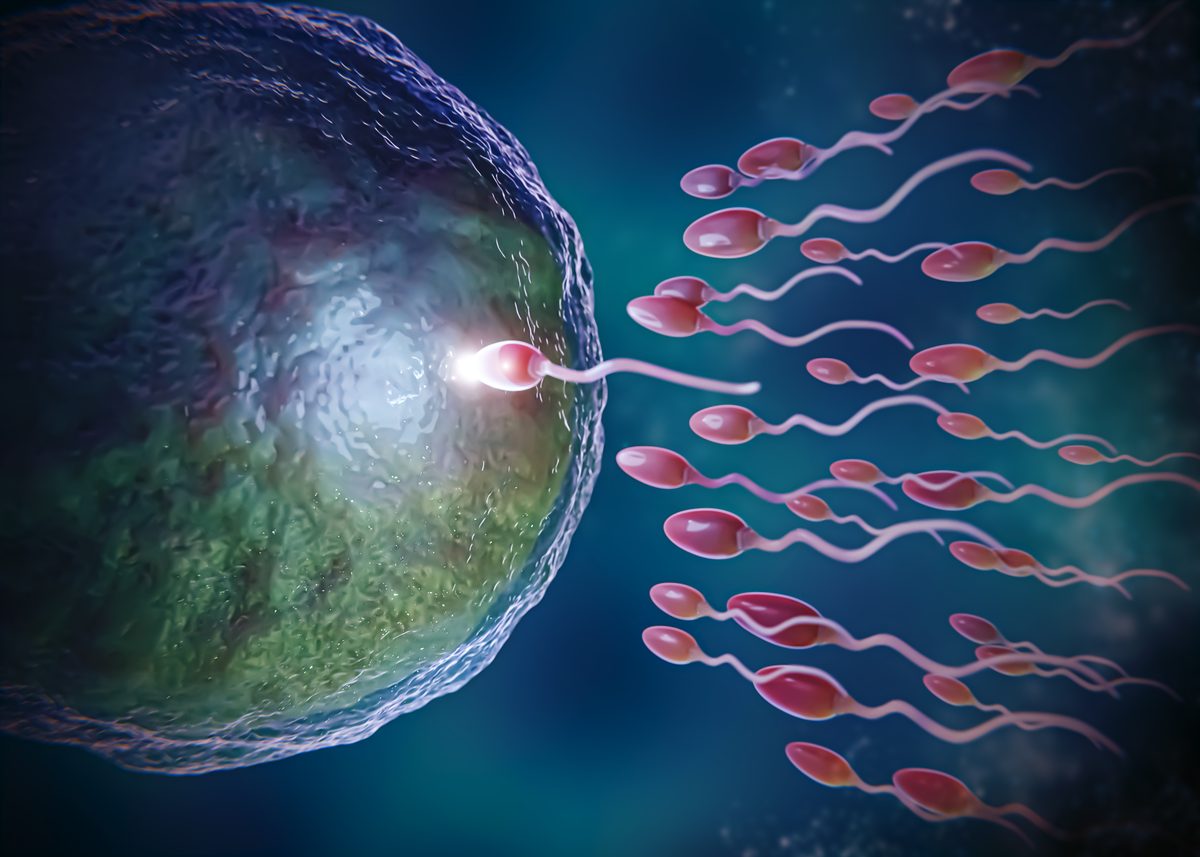
Acupuncture for Fertility in Boca Raton
For many couples seeking to conceive, acupuncture for fertility may help support your body's natural reproductive function by optimizing hormone regulation, enhancing blood circulation to reproductive organs, and reducing stress-related disruptions to fertility . At our Boca Raton clinic, we combine four different acupuncture methods—Traditional Chinese Medicine (TCM), Master Tung's...
Research indicates that acupuncture may support fertility in both women and men by promoting hormone balance, reducing inflammation, and enhancing reproductive function. Whether you are seeking to optimize natural conception, support assisted reproductive procedures, or address specific imbalances such as irregular cycles, diminished sperm quality, or endometriosis, acupuncture offers a complementary approach grounded in clinical observation and scientific investigation.
Important: Acupuncture is most effective as part of a comprehensive health strategy that includes proper nutrition, sleep, stress management, and collaboration with your medical providers. Individual results may vary. Do not discontinue prescribed medications or medical treatment without consulting your physician.
Why Couples Choose Acupuncture for Fertility
Understanding Acupuncture for Fertility
In Traditional Chinese Medicine, fertility depends on adequate Qi (energy), blood, and constitutional warmth flowing through meridian pathways that nourish the reproductive system. When Qi or blood becomes deficient, blocked, or out of balance—due to stress, irregular sleep, poor diet, hormonal imbalance, or underlying conditions—reproductive function may be impaired. Acupuncture for fertility may help by:
- Supporting healthy hormone levels (FSH, LH, progesterone, testosterone)
- Enhancing blood flow to reproductive organs and improving uterine lining thickness
- Promoting nervous system relaxation and reducing stress (lowering cortisol, the stress hormone)
- Optimizing egg and sperm quality and reducing oxidative stress
- Supporting immune function and reducing inflammation
- Addressing underlying patterns: Kidney Yang Deficiency, Spleen Qi Deficiency, Blood Stasis, or Liver Qi Stagnation
The needles used in acupuncture are sterile, single-use, and extremely fine. Needle insertion typically causes minimal discomfort; many patients report feeling only a slight pressure, while others feel nothing at all. Needles are retained for 40–45 minutes while you rest in a deeply relaxed state. Most patients experience profound relaxation during this time.
Our Four-Method Acupuncture Approach for Fertility
To maximize fertility outcomes, we integrate four specialized acupuncture systems, each with distinct clinical benefits:
1. Traditional Chinese Medicine (TCM)
The foundation of our approach. TCM assesses your individual pattern—including Kidney energy reserves, Spleen Qi, blood circulation, and Liver flow—to address the root cause of fertility challenges. TCM organs represent functional energetic systems, not physical organs alone. TCM treatments tonify deficiency, move stagnation, and restore constitutional balance for optimal reproductive function.
2. Master Tung's Acupuncture
An advanced system using distal points—needles placed far from the area of concern—to treat complex patterns efficiently. Master Tung's techniques are particularly effective for hormonal imbalance and reproductive dysfunction because they work through systemic meridian pathways rather than local stimulation alone.
3. Auricular Acupuncture
The ear is a microsystem containing reflex points for the entire body, including the uterus, ovaries, testes, and endocrine system. Auricular points provide powerful support for hormone regulation and can be stimulated with tiny needles or seeds for ongoing treatment between sessions.
4. Dr. Tan's Balance Method (an advanced acupuncture method) Acupuncture
Based on symmetry and mirroring, this method treats one side of the body to balance the opposite side. Balance Method is highly effective for restoring constitutional equilibrium and is often used in combination with other methods to optimize fertility outcomes.
These four methods are customized per patient. Your initial consultation determines which combination best addresses your unique pattern and fertility goals.
TCM Organ Systems Supporting Fertility
In Traditional Chinese Medicine, four primary organ systems work together to support fertile function. These are energetic functional systems, not physical anatomy.
Four Primary Fertility Patterns in Traditional Chinese Medicine
| Pattern | Characteristics | Acupuncture Approach |
|---|---|---|
| Kidney Yang Deficiency | Low basal body temperature, weak ovulation, poor energy, cold extremities, history of miscarriage | Warming and tonifying needling to strengthen constitutional reserves and metabolic heat |
| Spleen Qi Deficiency | Heavy or prolonged menstruation, pale blood, digestive weakness, bloating, fatigue | Strengthening digestive and blood-production capacity; dietary guidance |
| Blood Stasis | Dark menstrual blood with clots, painful periods, endometriosis, PCOS, dark complexion | Moving blood and resolving blockages to improve uterine lining and egg quality |
| Liver Qi Stagnation | Emotional sensitivity, irregular cycle, PMS, tension, stress-triggered symptoms | Coursing Liver Qi and reducing stress response to restore cycle regularity |
Most patients present with a combination of patterns. Your initial consultation includes a thorough assessment of your unique pattern, which guides all treatment decisions. Patterns are functional concepts in TCM—not Western medical diagnoses.
Acupuncture for Male Fertility
Male factor accounts for approximately 40% of fertility challenges. Acupuncture for male fertility may help support sperm count, motility, and morphology by improving blood circulation to the testes, reducing inflammation, and tonifying constitutional reserves. Treatment protocol for men typically involves weekly acupuncture sessions (frequency determined per individual case) focusing on points that strengthen Kidney energy, enhance circulation, and calm the nervous system. Lifestyle recommendations—adequate sleep, proper diet, stress reduction, and avoiding excessive heat—are equally important for supporting semen health since new sperm take approximately 74 days to mature.
Your Fertility Treatment Journey: 10 Sessions
Fertility acupuncture typically spans approximately 10 sessions over 2–3 months. Progress is assessed monthly as your cycle responds.
Acupuncture & IVF, IUI, or Fertility Procedures
Many couples combine acupuncture with assisted reproductive procedures like IVF or IUI. Research indicates that acupuncture may support better response to ovarian stimulation, improve endometrial lining thickness, reduce stress and improve sleep during treatment cycles, and support implantation. Research has demonstrated that acupuncture applied around the time of embryo transfer may increase pregnancy rates. A landmark study published in Fertility and Sterility found that patients receiving acupuncture on the day of embryo transfer showed a 50.8% pregnancy rate compared to 37.5% in the control group—a clinically meaningful difference (Paulus et al., 2002; updated meta-analysis Cochrane Database, 2014).
If you are undergoing assisted reproductive technology, your acupuncturist works in coordination with your fertility clinic. We adjust our approach to support your specific procedure and timeline. Please bring your fertility clinic's treatment calendar to your initial consultation.
What to Expect During Treatment
Initial consultation: We take a detailed health history including your menstrual cycle pattern, medical history, lifestyle, sleep quality, emotional well-being, and fertility goals. We assess your tongue and pulse—two key diagnostic tools in TCM. This assessment determines your primary pattern and informs your personalized treatment plan.
Treatment sessions: You lie comfortably on a treatment table. Around thirty fine needles are inserted at strategic points. Most patients report deep relaxation during the 40–45 minute needle retention period. At the end of the session, needles are gently removed and you receive lifestyle and dietary recommendations tailored to your pattern.
Frequency: We typically recommend either once or twice per week. The exact frequency is determined per individual case based on your pattern severity, response to treatment, and circumstances. Frequency may adjust as your body responds.
Lifestyle & Nutritional Support for Fertility
Acupuncture is most effective when combined with supportive lifestyle and dietary practices grounded in Traditional Chinese Medicine. Your acupuncturist will offer personalized recommendations based on your specific pattern:
Sleep & rest: In TCM, nighttime rest is when Yin (blood, fluids, nourishment) is replenished. Aim for consistent sleep schedule. Adequate sleep supports hormone production and reproductive cell quality.
Warm foods, gentle digestion: Avoid excessive raw or cold foods, which may stress digestion. Emphasize warm soups, cooked vegetables, grains, and gentle proteins. Proper digestion enhances nutrient absorption—the foundation for building blood and Qi.
Stress reduction: Chronic stress impairs fertility through sustained cortisol elevation. Acupuncture for stress reduction, meditation, gentle movement, and time in nature support nervous system calm and Liver Qi flow.
Sexual health: Regular, relaxed intimacy supports fertility. Your acupuncturist helps you find balance between frequency and constitutional reserves.
Avoid excess heat & caffeine: High-dose caffeine may scatter Kidney Qi. Spicy foods may worsen certain patterns.
Payment, Insurance & Superbills
Our Boca Raton clinic is a self-pay practice. We do not bill insurance directly but provide detailed superbills (itemized receipts with acupuncture codes and diagnosis codes) upon request, which you can submit to your insurance for possible out-of-network reimbursement depending on your plan coverage. Acupuncture is an eligible expense for most HSA (Health Savings Account), FSA (Flexible Spending Account), and HRA (Health Reimbursement Account) accounts. Contact us for current session fees and package pricing options.
Research Sources & Citations
[1] Paulus WE, et al. "Influence of Acupuncture on the Pregnancy Rate in Patients Who Undergo Assisted Reproduction Therapy." Fertility and Sterility. 2002 Apr;77(4):721-4. Available at: PubMed: 11937123
[2] Cochrane Collaboration. "Acupuncture for In Vitro Fertilisation." Cochrane Database of Systematic Reviews. Updated 2014. Meta-analysis examining multiple trials assessing acupuncture around embryo transfer; analysis supported potential benefit for implantation rates and clinical pregnancy outcomes.
[3] Manheimer E, et al. "Effect of Acupuncture on Rates of Pregnancy, Live Birth, and Heterotopic Pregnancy among Women Undergoing In Vitro Fertilization: A Systematic Review and Meta-analysis." Fertility and Sterility. 2013;100(3):741-753. Available at:
[4] Zhu H, et al. "Acupuncture for Ovulatory Dysfunction in Polycystic Ovary Syndrome." Fertility and Sterility. 2023;119(4):612–621. Available at:
[5] World Health Organization (WHO). "Epidemiology of Male Infertility." Global Health Surveillance Data. Indicates approximately 40% of infertility involves male factor contributing to reduced fertility.
[6] Stener-Victorin E, et al. "Acupuncture and In Vitro Fertilization." Integrative Medicine. 2016;15(4):12–20. Review discussing mechanisms by which acupuncture may support reproductive outcomes and complement assisted reproductive technologies.
Disclaimer: This page is for educational purposes only. Acupuncture may help support fertility, but individual results vary and are not guaranteed. Always consult your physician before beginning any new health regimen. Acupuncture is a complementary therapy and does not replace conventional medical care or emergency medicine. Acupuncture needles are FDA-regulated Class II medical devices. Do not stop prescribed medications without consulting your doctor. This information does not constitute medical advice. If you have questions about whether acupuncture is appropriate for your specific situation, discuss with your physician or fertility specialist before beginning treatment.