
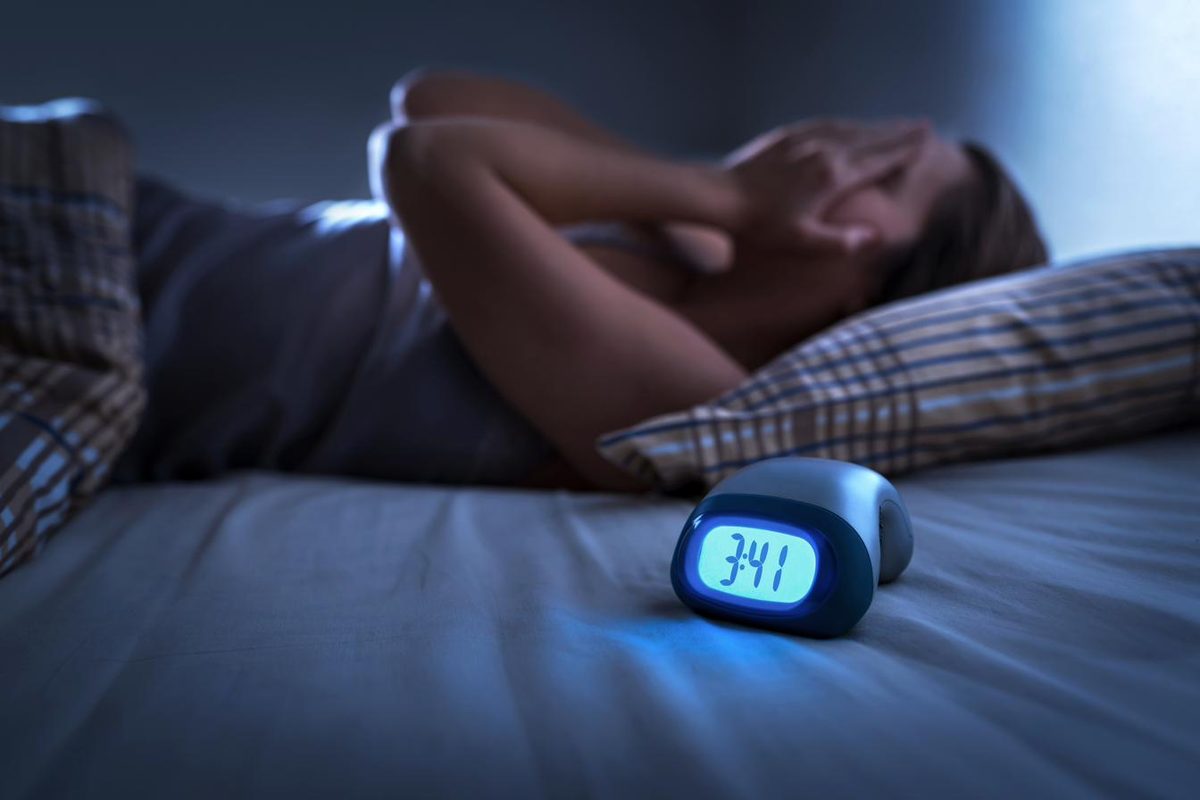
Acupuncture for Insomnia & Sleep Difficulties
Poor sleep touches everything — energy, mood, concentration, pain tolerance, and immune resilience. When falling asleep, staying asleep, or waking unrefreshed becomes a recurring struggle, it can quietly erode quality of life. If sleep medications alone haven't given you the rest you hoped for, acupuncture is a widely used complementary approach that may help calm an overactive nervous system...
What insomnia really is
Insomnia is the experience of difficulty falling asleep, staying asleep, or waking too early and being unable to return to sleep — despite having adequate opportunity to rest — together with daytime effects such as fatigue, low mood, irritability, or trouble concentrating. It can be short-term (often tied to a stressful event) or chronic. Insomnia also rarely travels alone: it frequently overlaps with stress and anxiety, chronic fatigue, migraines and headaches, hormonal shifts around menopause, and chronic pain.
Common patterns & contributing factors
How acupuncture may help
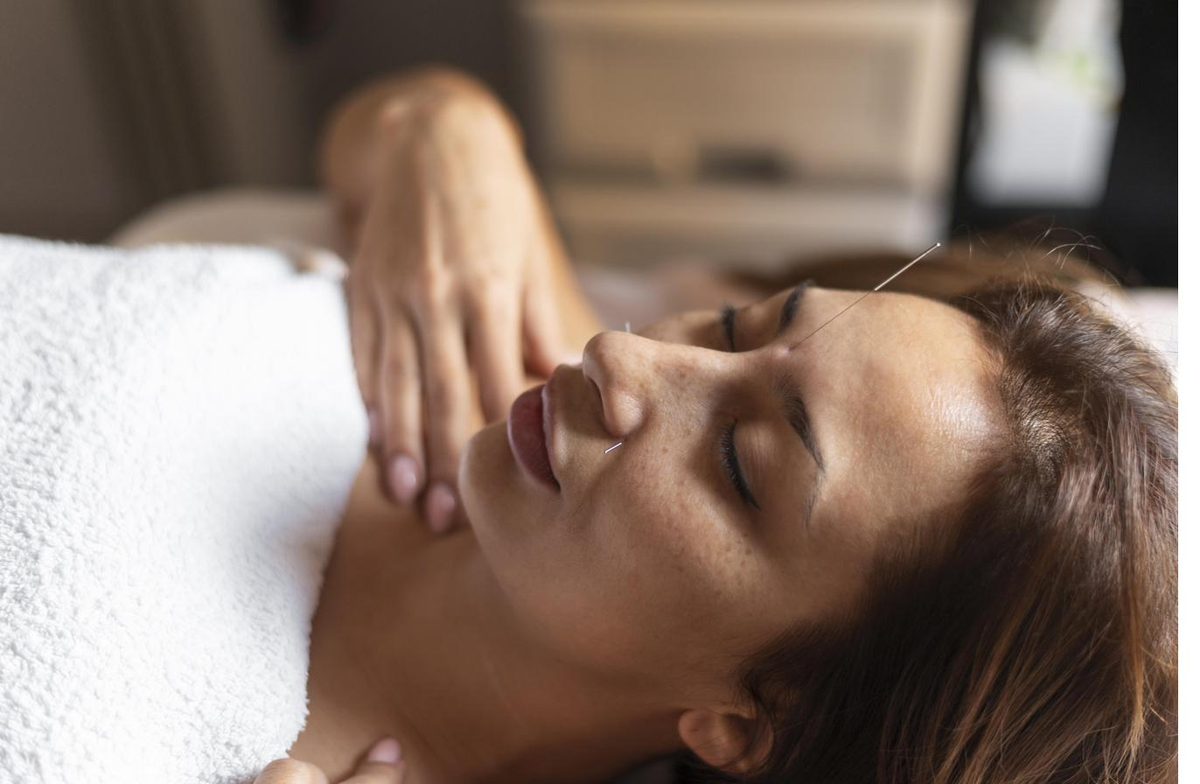
Treatment draws on advanced acupuncture techniques (including the Master Tung and Balance Method systems) alongside classical Traditional Chinese Medicine (TCM). In TCM, persistent sleeplessness is often understood as an unsettled Shen (the mind or spirit) and an imbalance between activity and rest. Treatment frequently uses distal points on the arms, hands, legs, and feet — so you can simply lie back and rest quietly with your eyes closed, which many patients find calming in itself. Individual results may vary.
| What we aim to influence | How it may relate to sleep |
|---|---|
| Nervous-system balance | May support a shift from an alert ("fight-or-flight") state toward the calmer state that allows sleep to begin. |
| Stress & worry | May ease the tension and overthinking that keep the mind active at bedtime. |
| Physical discomfort | May reduce pain that interrupts sleep — a common reason for night waking. |
| Daytime energy & mood | Better rest often carries over into steadier energy, mood, and focus during the day. |
What the research says
Insomnia is among the more studied sleep-related applications of acupuncture, with systematic reviews and RCTs across different insomnia types and populations.
- Systematic review of reviews: An umbrella review (Shergis et al., Sleep Medicine Reviews, 2016) pooled findings from multiple systematic reviews and found that most reviews reported acupuncture more effective than comparison groups for insomnia symptoms, though methodological quality of underlying studies was variable and larger high-quality trials are still needed.
- Acupuncture vs. medication: A randomized trial published in Sleep Medicine (Yeung et al., 2009) found acupuncture comparable to zopiclone (a common sleep medication) in reducing sleep onset time and improving sleep quality, without the side-effect profile of medication. Individual results may vary.
- Melatonin and sleep architecture: Research shows acupuncture can increase endogenous melatonin secretion and reduce nocturnal cortisol — two of the key physiological levers for sleep onset and maintenance. (Spence et al., Journal of Neuropsychiatry, 2004).
Evidence is encouraging but variable in quality. Acupuncture is a complementary approach — persistent or severe insomnia warrants medical evaluation. Individual results may vary.
Our approach & what to expect
Your first visit includes a thorough intake — your sleep pattern, what time you wake, stress levels, pain, diet, screen habits, and medical history. Sleep is one of the areas where change tends to come gradually, so improvement isn't always obvious in the very first sessions. For insomnia I usually suggest planning on a course of about ten treatments, over which we look for steady, gradual improvement in your sleep — and we continue beyond that if it's helpful. Many patients begin at twice weekly, then taper to weekly, biweekly, and a monthly maintenance visit as sleep steadies. Individual results may vary.
Acupuncture is complementary and not a substitute for medical evaluation. Please see your physician if your insomnia is severe or long-standing, if you regularly fall asleep unintentionally during the day, or if you have loud snoring, gasping, or pauses in breathing during sleep (possible sleep apnea), restless or twitching legs at night, or new sleep problems alongside low mood, anxiety, or a medical condition. Some sleep disorders need specific medical treatment, and ongoing reliance on sleep medication should always be reviewed with your prescriber.
Related Conditions & Services
Sources: American Academy of Sleep Medicine — Insomnia fact sheet and ICSD-3-TR insomnia material; Schutte-Rodin S, Broch L, Buysse D, Dorsey C, Sateia M, "Clinical Guideline for the Evaluation and Management of Chronic Insomnia in Adults," Journal of Clinical Sleep Medicine, 2008;4(5):487–504; He W, Li M, Zuo L, et al., "Acupuncture for treatment of insomnia: an overview of systematic reviews," Complementary Therapies in Medicine, 2019 (PMID 30670275).