
Acupuncture for Knee Pain
The knee is the largest joint in the body and one of the most heavily used — so when it hurts, everything from climbing stairs to standing up becomes harder. Knee pain can come from arthritis, a sports injury, overuse, or the simple wear of everyday life. Whatever the source, acupuncture offers a drug-free approach that many patients turn to for relief, whether on its own or alongside physical...
Common causes of knee pain we see
The most common cause in adults over 50 — cartilage breakdown leading to pain, stiffness, and reduced mobility. Acupuncture is one of the better-studied complementary options for knee OA.
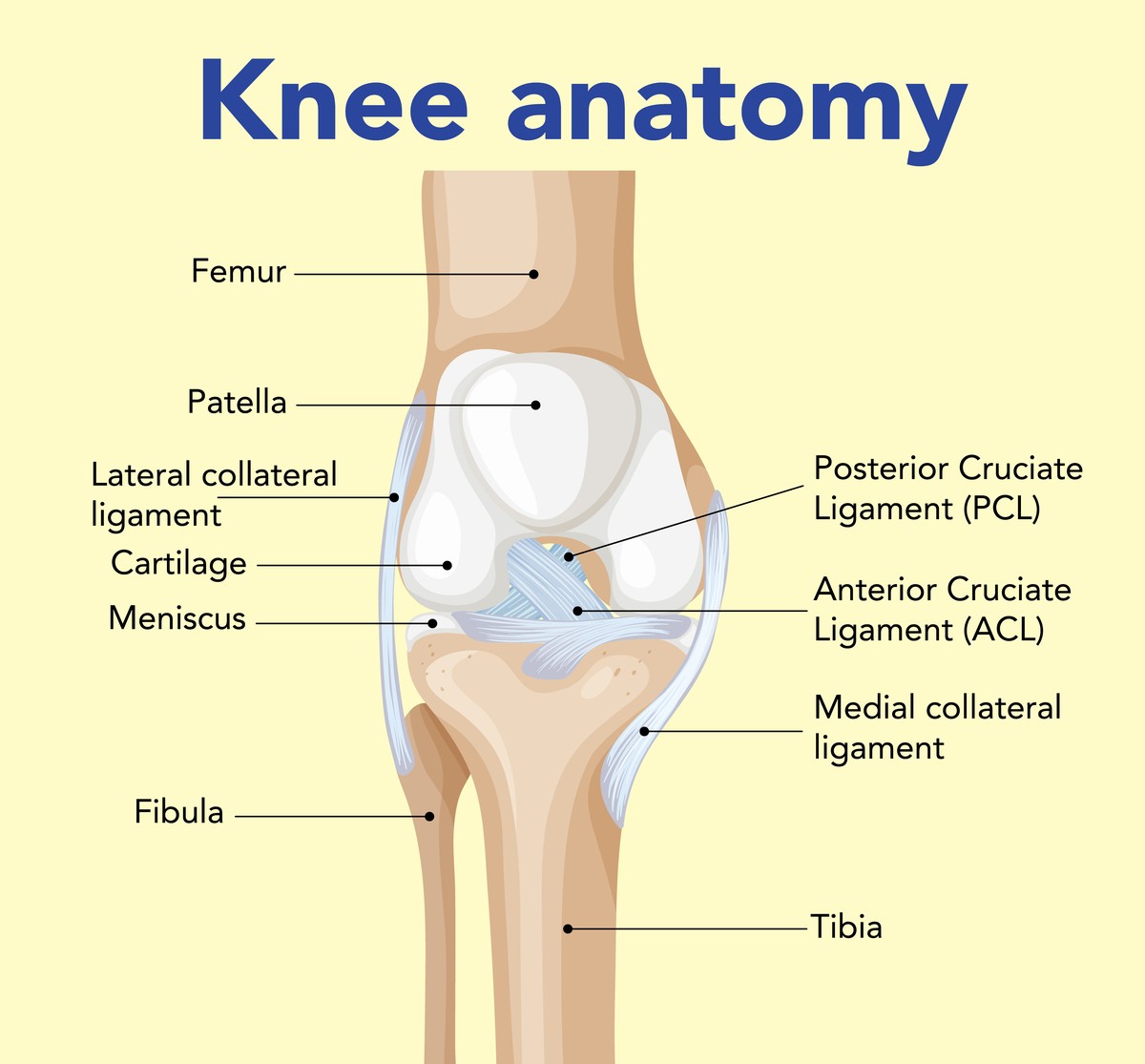
Tears or strains of the meniscus (the knee's cushioning cartilage) or ligaments, often from twisting injuries or sports. Acupuncture may support pain relief and recovery alongside appropriate medical care.
Inflammation of the tendons around the knee from repetitive activity — common in runners, cyclists, and active people.
Pain around or behind the kneecap, often related to alignment, muscle imbalance, or overuse.
How acupuncture may help
Research suggests acupuncture may help knee pain through several mechanisms:
| Benefit | Mechanism |
|---|---|
| Pain reduction | Endorphin release and modulation of pain signaling |
| Reduced inflammation | May lower inflammatory activity around the joint |
| Improved circulation | Better local blood flow supports tissue health and recovery |
| Muscle balance | May ease tension in the muscles that support and align the knee |
| Better mobility | Reduced pain and stiffness can improve range of motion and function |
What the research says
Knee pain — particularly knee osteoarthritis — is one of the best-studied areas in acupuncture research, with multiple Cochrane reviews and large meta-analyses examining its effects.
- Cochrane review — osteoarthritis: Manheimer et al. (Cochrane Database of Systematic Reviews, 2010, updated) found acupuncture provided short-term improvement in pain and physical function for knee osteoarthritis compared to sham and waitlist controls. The size of the effect and the contribution of specific versus non-specific effects continue to be debated, but the direction of benefit is consistent across trials.
- Large individual-patient data meta-analysis: Vickers et al. (Journal of Pain, 2018) analyzed 39 trials involving over 20,000 patients and found acupuncture significantly superior to both sham and no-acupuncture controls for chronic musculoskeletal pain including knee pain, with effects persisting at 12-month follow-up.
- Acupuncture vs. medication: A randomized trial in Arthritis & Rheumatism (Berman et al., 2004) found true acupuncture produced significantly greater improvement in knee OA pain and function than sham acupuncture or patient education at 26 weeks — one of the largest acupuncture trials for knee pain conducted in the US.
- NICE guidance: The UK's National Institute for Health and Care Excellence (NICE) recognizes acupuncture as an option for chronic primary pain, which encompasses many presentations of chronic knee pain. Evidence is encouraging; individual results may vary and are not guaranteed.
Evidence supports a potential benefit for knee pain; results are not guaranteed for any individual. Acupuncture is a complementary therapy and does not replace orthopedic evaluation for structural knee conditions.
Our approach
Treatment uses advanced acupuncture techniques alongside classical Traditional Chinese Medicine (TCM) and electroacupuncture when indicated. Using distal points — often on the opposite leg, the hands, or the elbow that mirrors the knee — treatment can influence the painful knee with minimal needling of the joint itself. Because knee pain is often connected to the hips, ankles, and the muscles along the leg, treatment frequently addresses these areas as well, not just the knee. Individual results may vary.
What to expect
Treatment is typically recommended twice weekly at first. I use the first 4 sessions as a clinical assessment — most patients notice meaningful change within this period. Once improvement is established, frequency is reduced to weekly, then biweekly, with monthly maintenance recommended — particularly for osteoarthritis, where ongoing support helps preserve mobility.
See a physician promptly for: a knee that gives way or locks, significant swelling, inability to bear weight, deformity after an injury, or signs of infection (warmth, redness, fever). These may need imaging or other medical treatment. Acupuncture works best alongside proper medical assessment of the underlying cause.