Acupuncture for Menopause & Hot Flashes
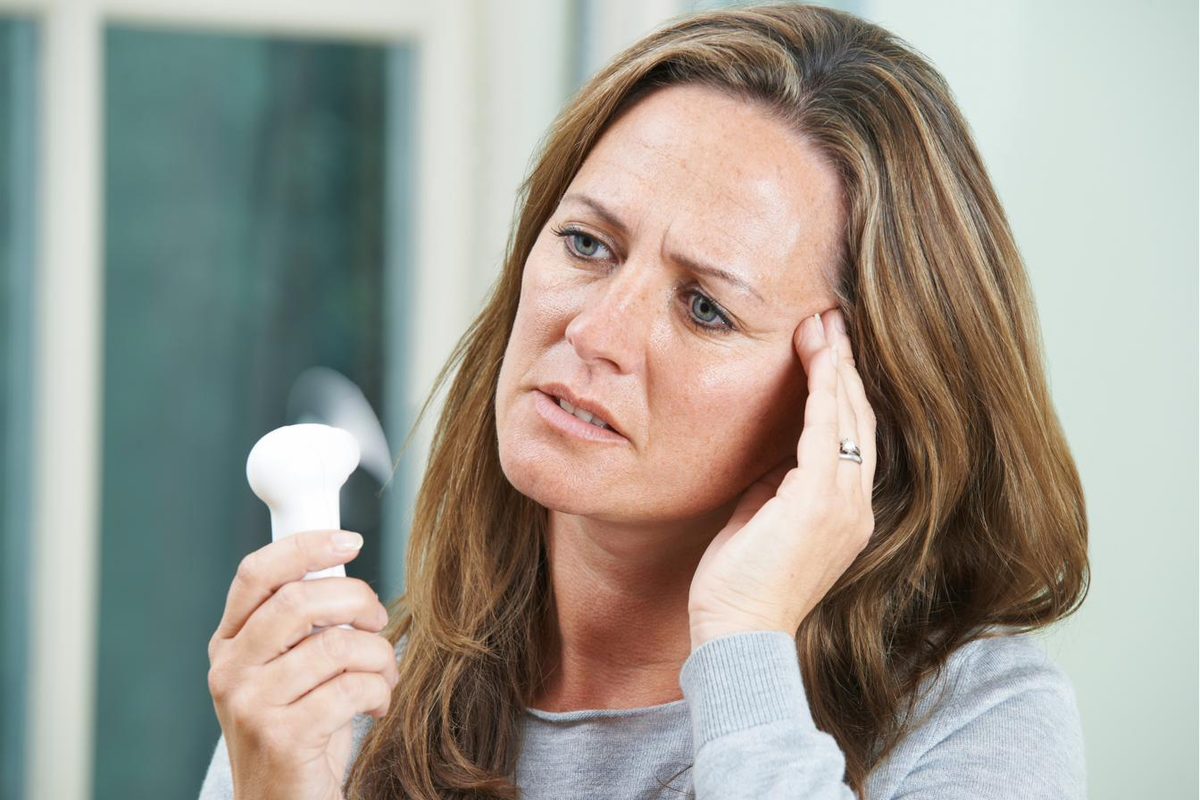
Menopause is a natural transition — but the symptoms that come with it can be anything but easy. Hot flashes and night sweats, broken sleep, mood swings, anxiety and irritability, brain fog, and joint aches can quietly reshape your days and nights. If you would prefer a drug-free option alongside your medical care — or you cannot or would rather not take hormones — acupuncture is a widely...
Understanding menopause
Perimenopause is the years-long lead-up, when estrogen begins to fluctuate and fall and periods become irregular. Menopause itself is marked 12 months after your last period; the years after are postmenopause. As hormones shift, the same changes can ripple into closely related areas — which is why menopause rarely travels alone. It frequently overlaps with poor sleep and insomnia, stress, anxiety and low mood, hormonal and menstrual migraines, and the changing menstrual cycle as periods wind down.
How acupuncture may help
Rather than targeting hormones directly, acupuncture works through the nervous system and the body's own regulatory pathways. Because it works on these whole-body systems rather than a single symptom, it may help across the range of changes listed above — from hot flashes and sleep to mood and energy.
In my clinical experience, acupuncture often helps with the hallmark symptoms of menopause: many patients have found their hot flashes and night sweats became noticeably less frequent and less intense, and some have found they eased almost entirely. In practice, that may show up in a few ways women notice:
| Mechanism | What patients often notice |
|---|---|
| Calmer stress response | Less reactive to triggers; flashes become milder and less frequent |
| Better sleep | Fewer night sweats; deeper, more restorative sleep |
| Steadier mood | Improved emotional regulation; less irritability and anxiety |
| Low side-effect profile | Benefits without the side effects many experience with hormones or medications |

Our approach
Treatment in our clinic uses advanced acupuncture techniques — including Master Tung's acupuncture and Dr. Tan's Balance Method — selected and adapted to your individual presentation. Needles are placed gently at points tailored to your specific symptoms and response.
Beyond symptoms: quality of life
And the benefit often reaches beyond any single symptom. As the research shows, women receiving acupuncture reported improvements across overall quality of life — not just fewer hot flashes, but better day-to-day wellbeing and sleep — which is what many patients describe: simply feeling more like themselves again. Individual results may vary.
Research on acupuncture for menopause
Menopause symptoms — particularly hot flashes, sleep disruption, and mood changes — have been studied in randomized trials, with some of the strongest evidence coming from large pragmatic studies.
- AIM study — hot flashes: The Acupuncture in Menopause (AIM) pragmatic RCT (Avis et al., Menopause, 2016) enrolled 209 peri- and postmenopausal women and found acupuncture reduced hot-flash frequency by 36.7% compared to minimal change in the waitlist group, with benefits lasting at least 6 months after treatment ended alongside improvements in sleep and quality of life.
- Systematic review: Chiu et al. (Maturitas, 2015) reviewed 12 RCTs and found acupuncture significantly reduced hot-flash frequency and severity compared to sham, with effects also seen for sleep quality and mood.
- Hormone therapy alternative: For women who cannot or prefer not to use hormone replacement therapy, acupuncture is increasingly recognized as a clinically meaningful non-hormonal option — referenced in several menopause management guidelines. Individual results may vary.
Evidence supports acupuncture for hot flashes and sleep disruption during menopause; results are not guaranteed for every individual. Always discuss treatment options with your gynecologist or menopause specialist.
Supporting bone health & overall transition
Menopause affects more than day-to-day comfort. As estrogen falls, bone health becomes more important, so it is a good stage to lean on the foundations that protect it — calcium- and vitamin-D-rich foods, weight-bearing movement, and good sleep — guided by your physician. Our role is to support your overall wellbeing alongside that, caring for the whole person rather than one symptom at a time.
Related Conditions & Services
Sources: Avis NE, et al., "Acupuncture for Menopausal Symptoms in Cancer Survivors," Menopause, 2016;23(6):626-637; Santoro N, Roeca C, Peters BA, Neal-Perry G, "The menopause transition: signs, symptoms, and management options," J Clin Invest, 2021;131(1):e122601; UpToDate — vasomotor symptoms of menopause epidemiology and prevalence.