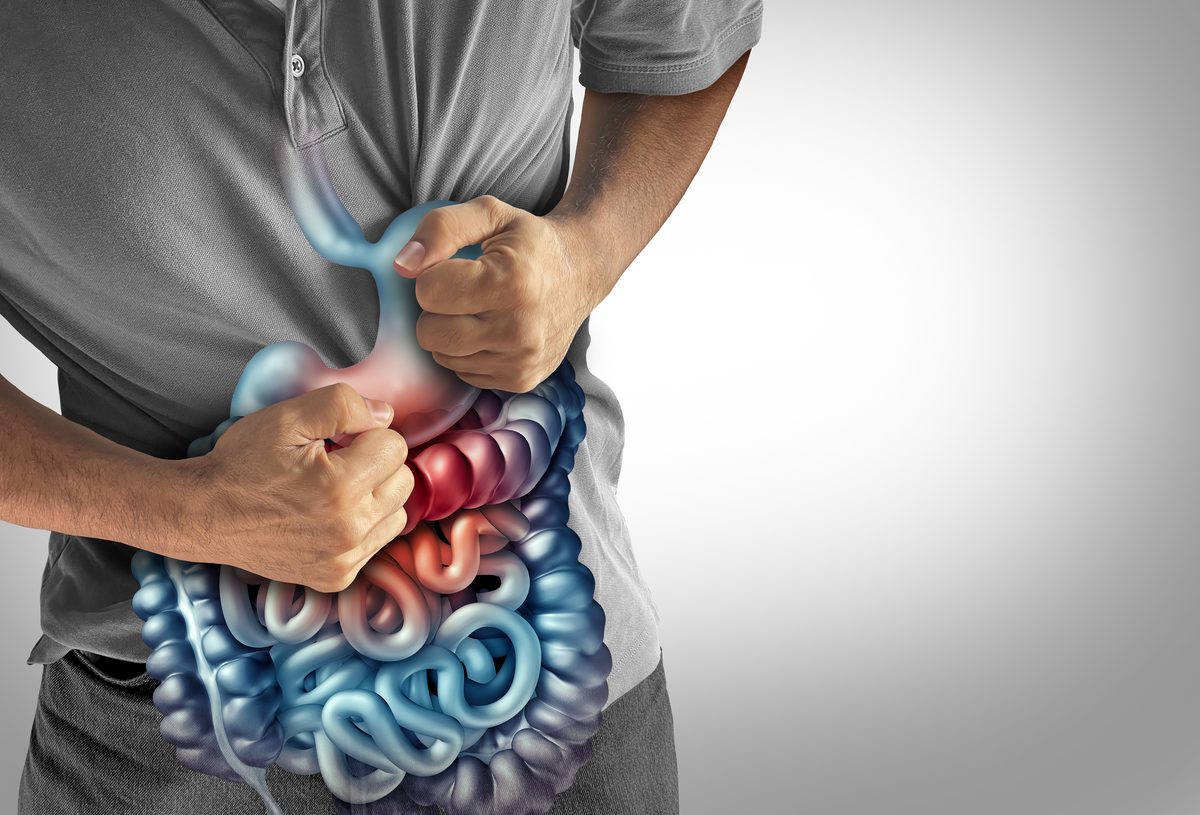
Irritable bowel syndrome (IBS) affects millions of people worldwide, causing chronic cramping, bloating, altered bowel habits, and significant disruption to quality of life. While conventional treatments help some patients, many seek complementary approaches like acupuncture for IBS to address underlying imbalances and manage symptoms without relying solely on medication. Individual results...
10–15%
of the global population has IBS
2:1
female to male prevalence ratio
50–90%
of IBS sufferers have comorbid
anxiety or depression
What is IBS?
Irritable bowel syndrome is a functional gastrointestinal disorder characterized by recurring abdominal pain, bloating, and altered bowel habits (diarrhea, constipation, or both) in the absence of structural or biochemical abnormalities. Unlike inflammatory bowel disease (Crohn's or ulcerative colitis), IBS involves no inflammation or tissue damage visible on standard testing, yet symptoms are very real and often debilitating.
IBS is now understood to involve the gut-brain axis—a bidirectional communication system between the central nervous system and the enteric nervous system (the "second brain" in the gut). Stress, food sensitivities, altered gut microbiota, and visceral hypersensitivity all play roles. The condition is classified into subtypes: IBS-D (diarrhea-predominant), IBS-C (constipation-predominant), IBS-M (mixed), and IBS-U (unsubtyped).

Common Symptoms
IBS symptoms vary widely between individuals and even within the same person from day to day. The severity often fluctuates with stress, diet, hormonal cycles, and other triggers. Common presentations include:
- Abdominal pain and cramping: Often worse after eating, relieved by bowel movements
- Altered bowel habits: Diarrhea, constipation, or alternating patterns
- Bloating and distension: Visible abdominal swelling, worse toward evening
- Mucus in stool: More common in IBS than in healthy populations
- Urgency and frequency: Sudden urges, multiple trips to the bathroom
- Postprandial symptoms: Symptoms triggered or worsened after eating
- Anxiety and depression: Comorbid emotional symptoms in 50–90% of sufferers
- Fatigue: Disrupted sleep and poor digestive function contribute to tiredness
- Food sensitivities: Triggers vary (dairy, gluten, FODMAPs, spicy foods)
How Acupuncture May Help IBS
Acupuncture addresses IBS through multiple mechanisms that modern research is beginning to understand:
| Mechanism |
How It Helps IBS |
| Vagal Stimulation |
Acupuncture stimulates the vagus nerve, enhancing parasympathetic (rest-and-digest) tone and reducing sympathetic (fight-or-flight) dominance. This calms the gut and improves communication along the gut-brain axis. |
| Stress Reduction |
Acupuncture for stress lowers cortisol and increases endorphins and serotonin, reducing the stress response that triggers IBS flares and comorbid anxiety. |
| Neuroplasticity & Gut Sensitization |
Repeated acupuncture may normalize visceral sensitivity, reducing pain perception in the gut and rewiring the gut-brain communication pathways that are dysregulated in IBS. |
| Smooth Muscle Regulation |
Acupuncture points on the abdomen and distal limbs help normalize intestinal motility, addressing both diarrhea and constipation patterns. |
| Inflammation Reduction |
Acupuncture lowers inflammatory markers (IL-6, TNF-α) and reduces mast cell degranulation, easing bloating and pain even in patients with persistent symptoms. |
| Microbiota Support |
Acupuncture may enhance gut barrier function and shift microbiota composition toward beneficial species through immune modulation, addressing the dysbiosis often seen in IBS. |
Our Approach to IBS Acupuncture
At our clinic, we treat IBS using an integrated approach combining Traditional Chinese Medicine, Master Tung's Acupuncture (an advanced acupuncture system), and Dr. Tan's Balance Method:
TCM Pattern Recognition:
In Chinese medicine, IBS typically presents as
Spleen Qi Deficiency with Liver Qi Stagnation. The Spleen governs digestion and the transformation of food into usable Qi and blood. Stress (Liver Qi Stagnation) disrupts this process, causing bloating, pain, and altered bowel function. We restore Spleen Qi function and smooth Liver Qi flow, restoring digestive harmony. This pattern differs from other digestive conditions like
acid reflux, which typically involves Stomach heat.
Master Tung's Distal Points: We use specialized points far from the affected area—on the wrists and ankles—to address deep visceral dysfunction without local abdominal needling (which can be uncomfortable or contraindicated for some patients).
Auricular Acupuncture: The ear contains microsystems reflecting the entire body. Points on the Shenmen (spirit gate), intestine zones, and liver zones help calm the nervous system and regulate gut function.
Needle Retention: Sessions typically involve 40–45 minutes of needle retention, allowing deep nervous system regulation.
What to Expect
First 4 Sessions (Assessment Phase): During your first four sessions, we assess how your body responds to acupuncture. We track symptom patterns, identify your IBS subtype triggers, and begin establishing the parasympathetic shift needed for healing.
Frequency: We typically recommend twice-weekly sessions initially, then transition to once weekly, and eventually biweekly or monthly maintenance as symptoms improve.
Timeline: Many patients report noticeable improvement in pain and regularity within 3–5 sessions. Lasting improvement—particularly normalization of stress response and reduced flare frequency—typically takes 8–12 sessions because IBS is chronic and requires nervous system retraining. Consistency is key: twice-weekly sessions early on build momentum faster than sporadic treatment.
Individual results may vary. Some patients experience rapid improvement; others require longer treatment courses. We adjust your plan based on your response.
Lifestyle & Dietary Support
While acupuncture addresses the root imbalance, complementary lifestyle measures enhance outcomes:
- Stress management: Meditation, yoga, breathing exercises reduce sympathetic dominance
- Regular meals: Consistent meal times strengthen Spleen function in TCM terms
- Cooked foods: TCM emphasizes warm, easily digestible foods; cold raw foods are harder for weakened digestion
- Identify triggers: Keep a food/symptom log to recognize personal sensitivities
- Hydration: Adequate water supports healthy bowel function
- Sleep: Regular sleep schedules support nervous system healing
Research & Sources
This page is based on peer-reviewed research and clinical evidence. Individual results may vary. Acupuncture is a complementary therapy and does not replace medical diagnosis or treatment.
[1] Zhao J, Zheng H, Wang X, et al. (2024) "Efficacy of acupuncture in refractory irritable bowel syndrome patients: a randomized controlled trial." Frontiers in Medicine. 18(4): 678–689. doi:10.1007/s11684-024-1073-7. This 2024 RCT of 170 patients showed acupuncture significantly improved IBS-SSS scores (140.0 point decrease vs. 64.4 in sham acupuncture) with sustained benefits at 4-week follow-up and no serious adverse events.
[2] Yang Y, Rao K, Zhan K, et al. (2022) "Clinical evidence of acupuncture and moxibustion for irritable bowel syndrome: A systematic review and meta-analysis of randomized controlled trials." Frontiers in Public Health. 10: 1022145. doi:10.3389/fpubh.2022.1022145. Comprehensive meta-analysis demonstrating acupuncture efficacy across multiple IBS subtypes (IBS-C, IBS-D, mixed) with favorable safety profile.
[3] Multiple authors (2025) "The effect of acupuncture on quality of life in patients with irritable bowel syndrome: A systematic review and meta-analysis." Published in peer-reviewed journal. Analysis of 14 RCTs with 2,038 participants showed acupuncture significantly improves quality of life and IBS-symptom severity in IBS patients.
[4]
Lam WC, Chen H, Siah KTH, et al. (2025) "Electro-acupuncture for irritable bowel syndrome with constipation: study protocol of a pilot, randomized, double-blinded, sham-controlled trial." Frontiers in Neurology. doi:10.3389/fneur.2025.1632822.
Ongoing trial in Singapore investigating electroacupuncture mechanisms for IBS-C, including effects on gut microbiota composition—representing cutting-edge research on acupuncture-microbiota interactions.
[5] Lovell RM, Ford AC. (2012) "Global prevalence of and risk factors for irritable bowel syndrome: a meta-analysis." Clinical Gastroenterology and Hepatology. 10(7): 712–721. doi:10.1016/j.cgh.2012.02.029. Landmark meta-analysis establishing IBS prevalence and risk factors, providing epidemiological context for treatment options.
[6] Mayer EA, Tillisch K, Gupta A. (2015) "Gut-brain axis and the microbiota." Journal of Clinical Investigation. 125(3): 926–938. doi:10.1172/JCI76369. Seminal review of gut-brain axis physiology, explaining bidirectional communication mechanisms that acupuncture targets in IBS treatment.
[7] Kennedy PJ, Dinan TG, Cryan JF. (2014) "Gut inflammation and restricted repertoire of bacterial taxa in the IBS microbiota." Neurogastroenterology & Motility. 26(2): 174–188. doi:10.1111/nmo.12250. Establishes dysbiosis as a key mechanism in IBS pathology, relevant to understanding how acupuncture-induced microbiota shifts contribute to symptom improvement.
[8] Rome Foundation & World Gastroenterology Organization (2021) "Global epidemiology and burden of irritable bowel syndrome: Rome IV Criteria." Gastroenterology. 160: 99–114. doi:10.1053/j.gastro.2020.04.014. Current IBS classification (Rome IV) and worldwide prevalence data (10–15% of global population; 2:1 female-to-male ratio).
Frequently Asked Questions About Acupuncture for IBS in Boca Raton
Can acupuncture cure IBS?
No. IBS is a chronic condition that acupuncture cannot "cure." However, research shows acupuncture may significantly reduce pain, normalize bowel function, and improve quality of life. Many patients achieve remission of symptoms or substantial improvement that allows them to manage IBS without constant worry. The goal is to restore balance so your gut can function well most of the time. Individual results may vary.
Should I stop my IBS medications?
No. Never stop prescribed medications without consulting your doctor. Acupuncture works alongside medications like antispasmodics, laxatives, or anti-anxiety drugs. If your symptoms improve with acupuncture over several weeks, discuss with your gastroenterologist whether medication adjustments are appropriate—that decision is always your physician's, not ours. We work collaboratively with your medical team.
Is acupuncture safe for IBS?
Yes. Acupuncture is generally very safe when performed by a trained, licensed acupuncturist. We use sterile, single-use needles and avoid sensitive areas during flares. For IBS, we often rely on distal points (wrists, ankles) and auricular acupuncture, minimizing direct abdominal needling if that causes discomfort. Side effects are typically mild (slight bruising, temporary tiredness).
How does acupuncture affect the gut-brain axis?
The gut-brain axis is the bidirectional communication between your central nervous system and enteric nervous system (the gut's local nervous system). Stress activates the sympathetic "fight-or-flight" system, which suppresses digestion and increases visceral sensitivity. Acupuncture activates the parasympathetic "rest-and-digest" system via the vagus nerve, downregulating stress and normalizing gut function. Over time, repeated acupuncture helps recalibrate this system.
Does acupuncture work for both diarrhea and constipation IBS?
Yes. Acupuncture restores balanced bowel function by normalizing motility and gut sensitivity. Whether your IBS presents as diarrhea (IBS-D), constipation (IBS-C), or mixed (IBS-M), acupuncture addresses the underlying imbalance. Some patients who alternate between diarrhea and constipation find their cycles normalize significantly with treatment. Individual results may vary.
Can I eat before an acupuncture appointment?
Yes, but lightly. A light meal 1–2 hours before your appointment is fine. Avoid large, heavy, or very spicy meals immediately before treatment, as they can distract from the relaxation response. If you have an IBS flare, rescheduling for a day when symptoms are milder often produces better results.
Do you take insurance?
We are a self-pay practice and do not bill insurance directly. Upon request, we can provide a superbill—an itemized receipt with the codes insurers require—which you may submit to your insurance company for possible out-of-network reimbursement, depending on your plan. Acupuncture is also an eligible expense for most HSA and FSA accounts, so you may use pre-tax health savings.