

Chinese Acupuncture for Tinnitus: Natural Relief from Ear Ringing
Tinnitus — the perception of ringing, buzzing, hissing, or other sounds in the ears when no external sound is present — may affect 1 in 10 adults in the United States. For many people, this persistent ear ringing is far more than an annoyance; it can disrupt sleep, concentration, and emotional wellbeing, creating a cycle where stress and anxiety amplify the symptom itself.
Chinese acupuncture may help address tinnitus, particularly when stress, anxiety, or emotional tension play a significant role in triggering or intensifying the symptom. Individual results vary. Over 20+ years of clinical practice, I have found that tinnitus closely linked to psychological stress — rather than purely noise-induced or age-related hearing loss — tends to respond more favorably to acupuncture treatment. Traditional Chinese acupuncture approaches the condition holistically, regulating the nervous system and addressing the emotional-somatic feedback loop that drives persistent ear ringing.
Understanding Tinnitus: Types, Causes & Triggers
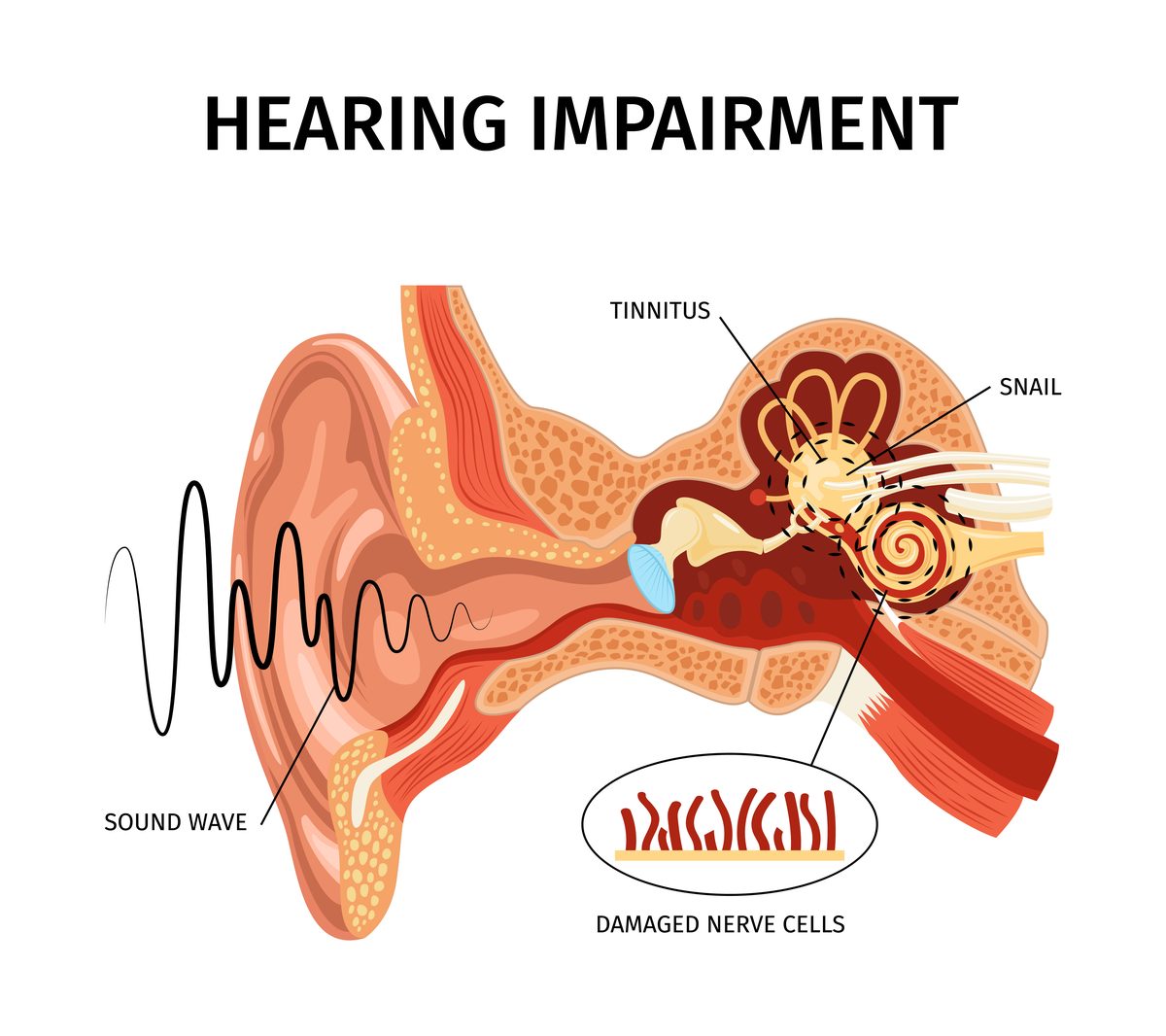
Tinnitus arises from multiple causes. Some involve the ear itself (noise exposure, hearing loss, ear infections), while others involve broader nervous system and emotional patterns (stress, anxiety, sleep disruption, neck tension, medication side effects). Chinese acupuncture for tinnitus recognizes that different underlying patterns produce different presentations of ear ringing.
Key clinical distinction: Not all tinnitus is equally responsive to treatment. In my experience, tinnitus triggered or worsened by emotional factors — stress, anxiety, poor sleep — tends to improve more readily with Chinese acupuncture than tinnitus purely from sudden noise exposure or advanced hearing loss. This distinction matters when setting realistic expectations for acupuncture treatment success.
The Stress-Tinnitus Connection: Why Acupuncture Works
Research increasingly confirms that psychological stress, anxiety, and depression both trigger and significantly worsen tinnitus perception. The link is bidirectional: tinnitus causes stress, which amplifies tinnitus awareness, which deepens anxiety — a vicious cycle that Chinese acupuncture is particularly well-suited to interrupt.
Neurobiologically, stress activates the release of dynorphins and glutamate in the cochlea, intensifying auditory sensitivity and exacerbating the central nervous system's amplification of phantom sound. Brain imaging shows that depression and severe tinnitus activate the same neural networks in the limbic system — explaining why treating emotional distress through acupuncture often reduces the perception and impact of ear ringing.
Clinical implication: Patients whose tinnitus worsens with stress or poor sleep, or who report significant anxiety or insomnia alongside ear ringing, are ideal candidates for Chinese acupuncture. This is where traditional acupuncture's strength lies: regulating the autonomic nervous system and addressing the emotional-somatic feedback loop driving persistent tinnitus.
How Chinese Medicine Understands Tinnitus
In Traditional Chinese Medicine, tinnitus is understood through several interconnected patterns. Rather than trying to "fix the ear" in isolation, Chinese acupuncture identifies the systemic imbalance driving the symptom and restores balance to the whole system.
In Chinese medicine, the Kidneys govern deep reserves, vitality, aging, and water balance. When depleted by chronic stress and overwork, they cannot adequately support hearing function.
How it sounds: High-pitched, constant or near-constant ringing; often worse in afternoons and evenings. Many describe it as a narrow, focused beam of sound rather than diffuse noise.
Associated presentation: You feel depleted by stress and overwork. Sleep is difficult, especially after 3–4 AM. You may experience dryness (mouth, eyes, throat), low-back weakness, or a sensation of inner heat. The tinnitus feels like it's draining your energy reserves.
Why it responds to acupuncture: Chinese acupuncture restores depleted reserves, calms the nervous system, and improves sleep quality — which itself reduces tinnitus perception.
In Chinese medicine, the Liver moves energy freely throughout the body and governs emotional expression. Constraint of emotions creates stagnation that affects the Gallbladder (ear function) and auditory nerves.
How it sounds: Variable intensity ringing or buzzing that fluctuates with mood and emotional state. Some days it's loud, others quieter. Often worse on stressful or emotionally charged days.
Associated presentation: Tinnitus worsens noticeably during periods of tension, frustration, or pent-up stress. You may feel emotionally constrained or unable to express yourself. The symptom "responds" to your mental state — anxiety makes it louder, calm makes it quieter.
Why it responds to acupuncture: Chinese acupuncture addresses the underlying emotional constraint, restores free flow of energy, and harmonizes the nervous system — often producing rapid improvement as emotional patterns shift.
In Chinese medicine, the Spleen transforms food into energy and maintains overall constitutional vitality. Deficiency leads to low energy and weak immune function, which amplifies symptom perception.
How it sounds: Lower-pitched buzzing or roaring sound, rather than high-pitched. Notably worse when your energy is low — after exertion, at the end of the day, or during periods of illness or poor digestion.
Associated presentation: You feel chronically fatigued; digestion is weak (loose stools, bloating, poor appetite). The tinnitus seems tied to your overall vitality — when you have energy, it's less noticeable; when depleted, it's louder and more bothersome.
Why it responds to acupuncture: Chinese acupuncture strengthens your constitutional reserves and improves digestive function, which supports overall vitality and reduces the symptom's intensity.
In Chinese medicine, the Gallbladder governs decision-making, courage, and the vestibular system (balance and spatial orientation). Dysfunction disrupts both hearing and equilibrium.
How it sounds: Often accompanied by dizziness, vertigo, or balance issues. The ringing may fluctuate with head position or movement. Some describe a sensation of pressure or fullness in the ear alongside the sound.
Associated presentation: Tinnitus co-occurs with dizziness or balance problems. You may feel indecisive or uncertain. Head movements or position changes seem to affect the symptom.
Why it responds to acupuncture: Chinese acupuncture restores balance to the inner ear system and nervous pathways controlling both hearing and equilibrium, often addressing both tinnitus and dizziness together.
Your Integrated Acupuncture Treatment Approach
Acupuncture treatment for tinnitus uses manual acupuncture combining four complementary systems, integrated into every treatment protocol:
- Auricular Acupuncture: Specific ear points that directly address tinnitus and regulate nervous system function. Integrated into nearly all treatment sessions to target the condition at its source while supporting overall balance.
- Traditional Chinese Medicine (TCM): Pattern-based approach addressing the underlying systemic imbalance driving the symptom, not just treating the ear in isolation.
- Master Tung's Acupuncture (an advanced acupuncture system): Highly specific microsystem and image-based protocols refined over decades, targeting ear-related conditions through strategic distal points that often produce rapid and sustained relief.
- Dr. Tan's Balance Method: Bilateral balance techniques that treat one side of the body to reharmonize the nervous system, creating profound nervous system rebalancing.
This integrated approach ensures that acupuncture treatment addresses not just the ear, but the systemic emotional, nervous system, and constitutional patterns contributing to your specific experience of tinnitus.
Research Support for Chinese Acupuncture & Tinnitus
Meta-analyses and systematic reviews consistently demonstrate that Chinese acupuncture produces significant improvements in tinnitus severity, distress, and quality of life.
- Scalp acupuncture efficacy: A 2025 meta-analysis of 20 randomized controlled trials with 1,430 participants showed that scalp acupuncture groups had significantly higher clinical effectiveness rates (RR=1.25, p<0.00001) compared to control groups, with consistent results across studies.
- Combined acupuncture techniques: Network meta-analysis (2023) found that combined manual acupuncture approaches produced the most effective response rates for tinnitus treatment.
- Emotional & psychological impact: Acupuncture combined with standard medical treatment was most effective for reducing the Tinnitus Handicap Inventory (THI) — the primary measure of emotional and functional distress caused by tinnitus.
- Anxiety & depression reduction: Multiple RCTs confirm that acupuncture reduces anxiety and depression associated with tinnitus, which in turn improves tinnitus perception and patient coping.
- Brain mechanism: fNIRS neuroimaging (2023) shows that acupuncture increases blood flow to the temporal lobe and modulates auditory cortex activation in tinnitus patients, suggesting restoration of normal auditory processing.
What to Expect from Acupuncture Treatment
Initial assessment phase: Acupuncture treatment for tinnitus begins with twice-weekly sessions for the first 4 sessions. During these initial sessions, we assess whether your body is responding to treatment. This is the diagnostic window — if tinnitus shows early signs of improvement (even subtle shifts in loudness, clarity, or your emotional reaction to it), we continue and customize the treatment plan based on your response.
Typical improvement timeline for stress-linked tinnitus: Some patients notice meaningful changes within the first 4 sessions: some perceive shifts in tinnitus loudness or tone, others experience improved emotional resilience and reduced anxiety (which itself improves tinnitus awareness), and some report better sleep quality or reduced distraction from the symptom. Individual results vary — some notice change by session 2; others require 6–8 weeks to perceive meaningful improvement.
Customized ongoing treatment: Once we determine your response pattern within the first 4 sessions, treatment frequency and total course are individualized. Many patients continue 1–2 times weekly for 8–12 weeks total, then transition to maintenance sessions as needed. There is no fixed protocol — your treatment plan is customized based on your specific response pace and progress.
Important Note: Noise-Induced Tinnitus vs. Stress-Linked Tinnitus
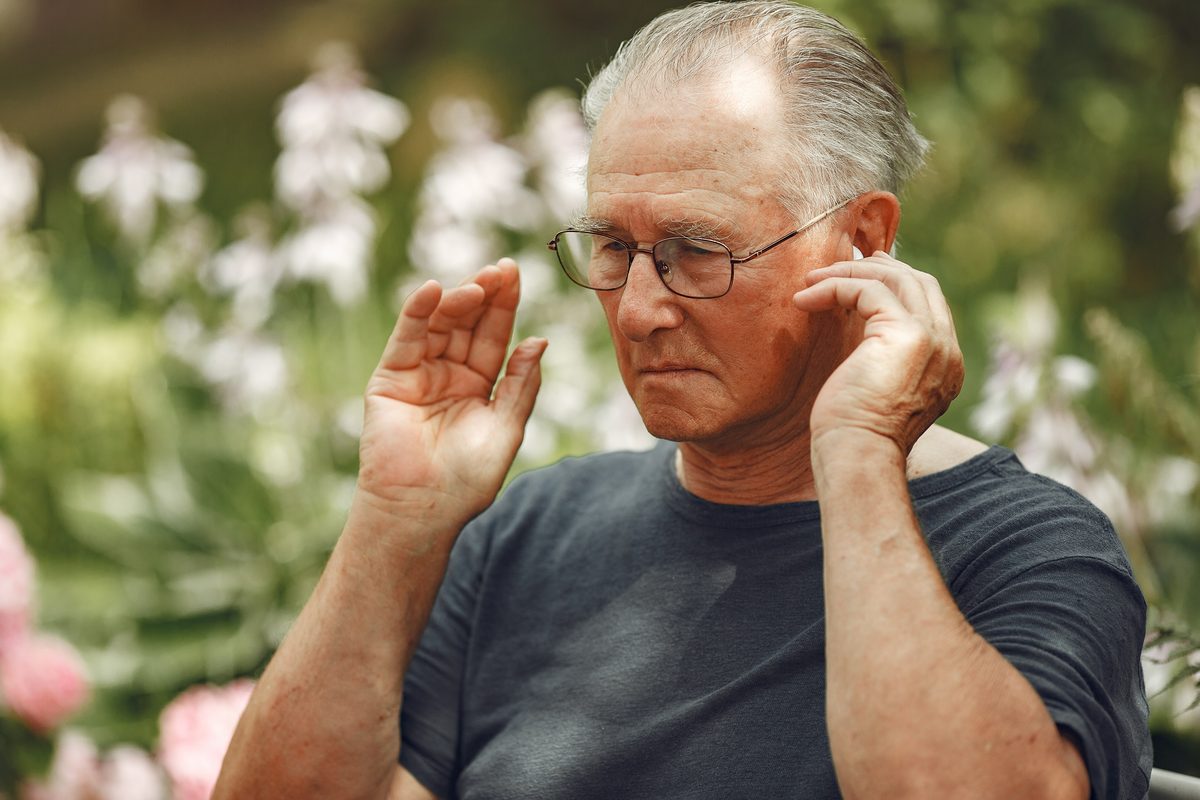
Clinical reality: Tinnitus arising acutely from loud noise exposure (explosion, gunshot, workplace accident) or sustained hearing damage tends to be less responsive to acupuncture alone. This is because the underlying peripheral ear damage may be irreversible without specialized medical intervention.
However, stress-linked tinnitus — tinnitus that worsens with emotional tension, appears or worsens during anxiety episodes, or is accompanied by poor sleep and high stress — responds very well to Chinese acupuncture. This is where the nervous system and emotional regulation work powerfully in your favor, and where acupuncture's effectiveness is well-documented.
If your tinnitus began after noise exposure, acupuncture may still significantly help by managing the emotional distress, anxiety, and sleep disruption surrounding the symptom — which itself can substantially reduce how much the symptom disrupts your daily life.
Related Conditions & Services
Credentials: Ronen Rosenblatt Nir — Licensed Acupuncturist (Israel), NCCAOM certified, 20+ years clinical experience; US licensure recognition in process. Training: Chengdu University Hospital (China), Dr. Hu (Taiwan), Tel Aviv Sourasky Medical Center (Israel). For full background, visit the About page.
Sources: Batts & Stankovic (2024) Tinnitus prevalence; Trevis et al. (2018) Psychological functioning and tinnitus; Zenner et al. (2023) Stress and tinnitus; Scalp Acupuncture Meta-Analysis (2025) RR=1.25; Network Meta-Analysis (2023) Combined acupuncture approaches; fNIRS Study (2023) Brain mechanism. Li et al. (2024) Chinese medicine approach to tinnitus.
This page is for educational purposes only and is not a substitute for professional medical diagnosis or treatment. Always consult your physician about tinnitus before beginning any new treatment, including acupuncture. Results vary individually and cannot be guaranteed. Acupuncture is a complementary therapy, not a replacement for conventional medical care.
What the research says
Tinnitus is one of the more challenging conditions for any treatment — conventional medicine has limited options, and acupuncture research reflects this complexity. We share the evidence honestly.
- Systematic review: A Cochrane-adjacent review (Kim et al., Cochrane Database, 2012) found insufficient high-quality evidence to draw firm conclusions about acupuncture for tinnitus, with most trials being small and at high risk of bias.
- More recent meta-analysis: Nie et al. (Evidence-Based Complementary and Alternative Medicine, 2015) reviewed 9 RCTs and found acupuncture significantly improved tinnitus handicap scores compared to sham or no treatment, with effects most pronounced for subjective loudness and distress.
- Realistic framing: In clinical experience, acupuncture tends to help more with tinnitus distress and quality of life than with eliminating the sound itself. Some patients notice reduction in loudness or frequency; others report the sound becoming less intrusive. Individual results vary considerably, and not all patients respond. We are honest about this at the outset.
Evidence for acupuncture in tinnitus is preliminary and mixed. New or sudden-onset tinnitus, or tinnitus in one ear only, warrants medical evaluation. Individual results may vary.