Acupuncture for a Herniated Disc
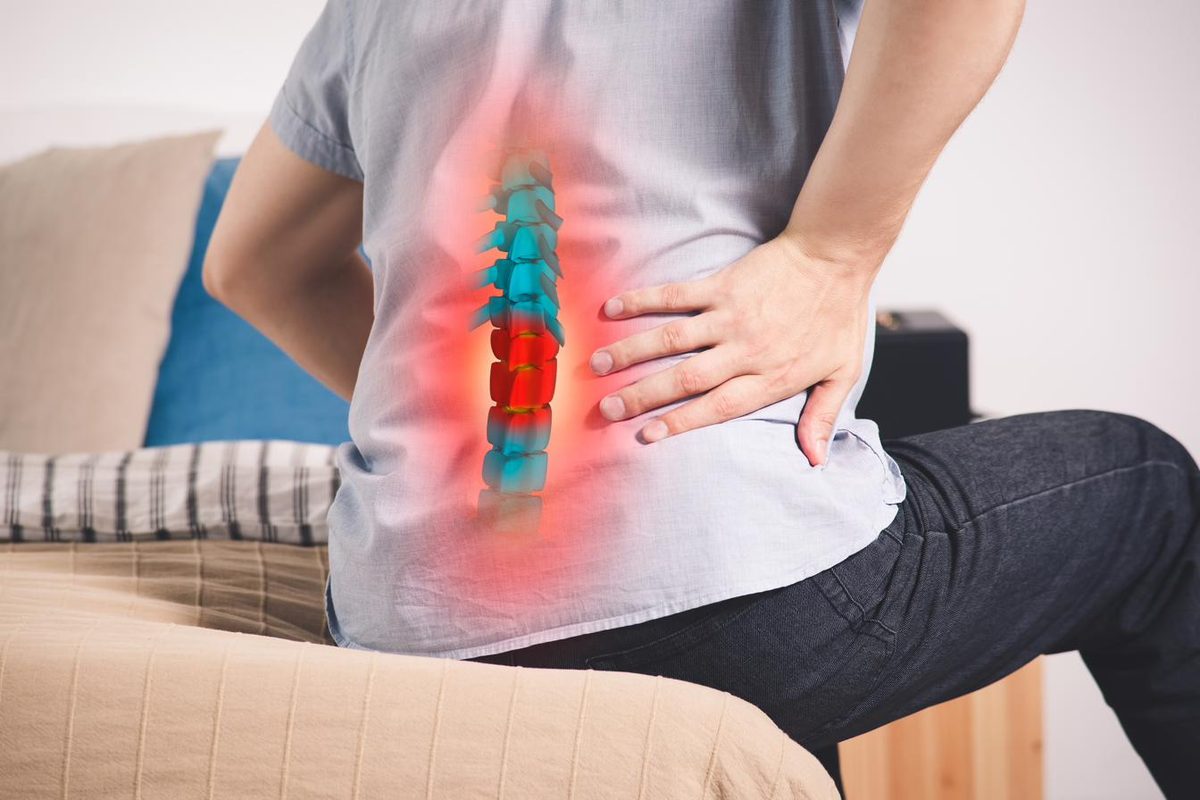
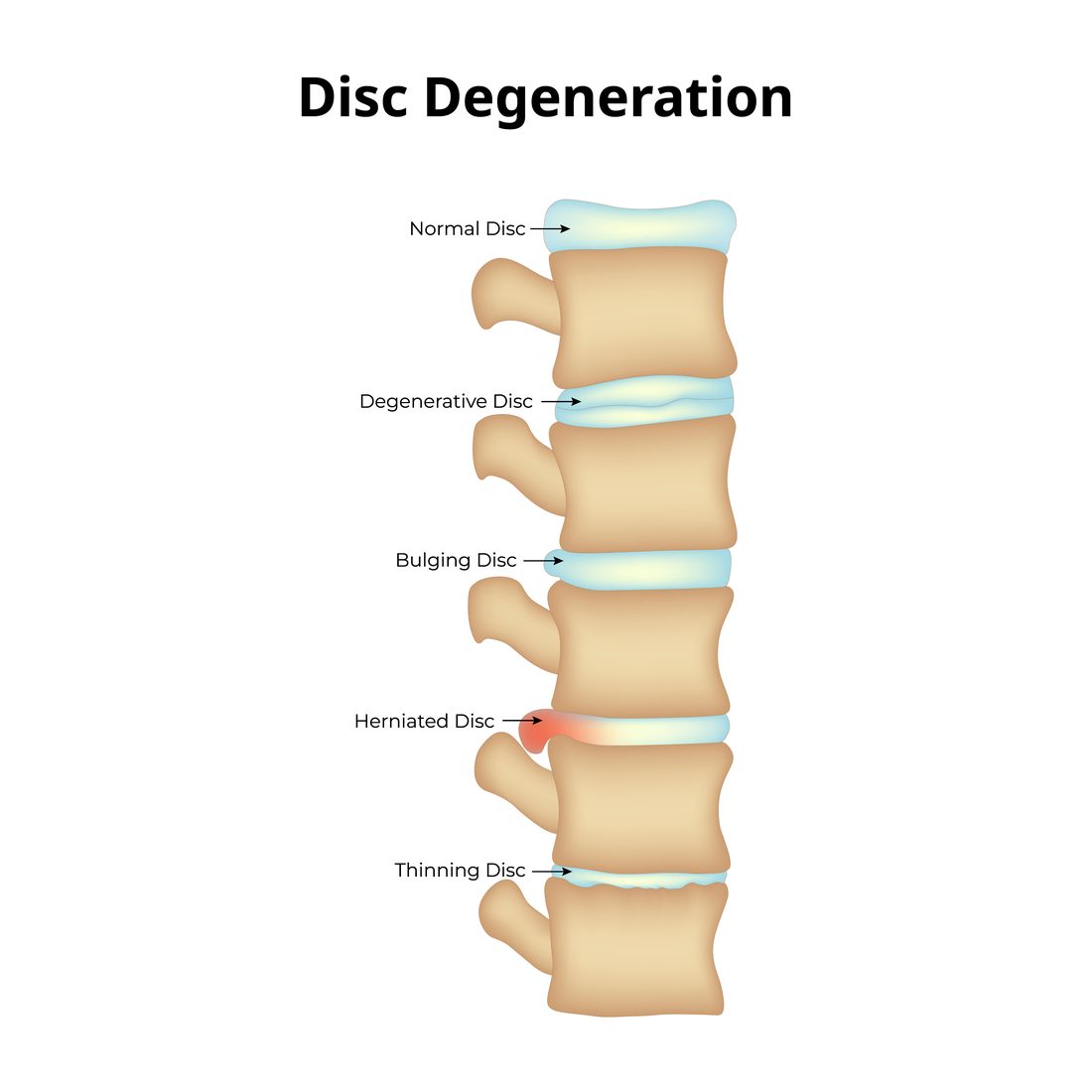
A herniated disc — also called a slipped, bulging, or ruptured disc — is one of the most common causes of lower back pain and sciatica . It happens when the soft center of a spinal disc pushes through a tear in its tougher outer ring and presses on a nearby nerve. The result can be sharp local pain, or pain, numbness, and tingling that radiate down a leg or arm. For many people this is...
What is a herniated disc?
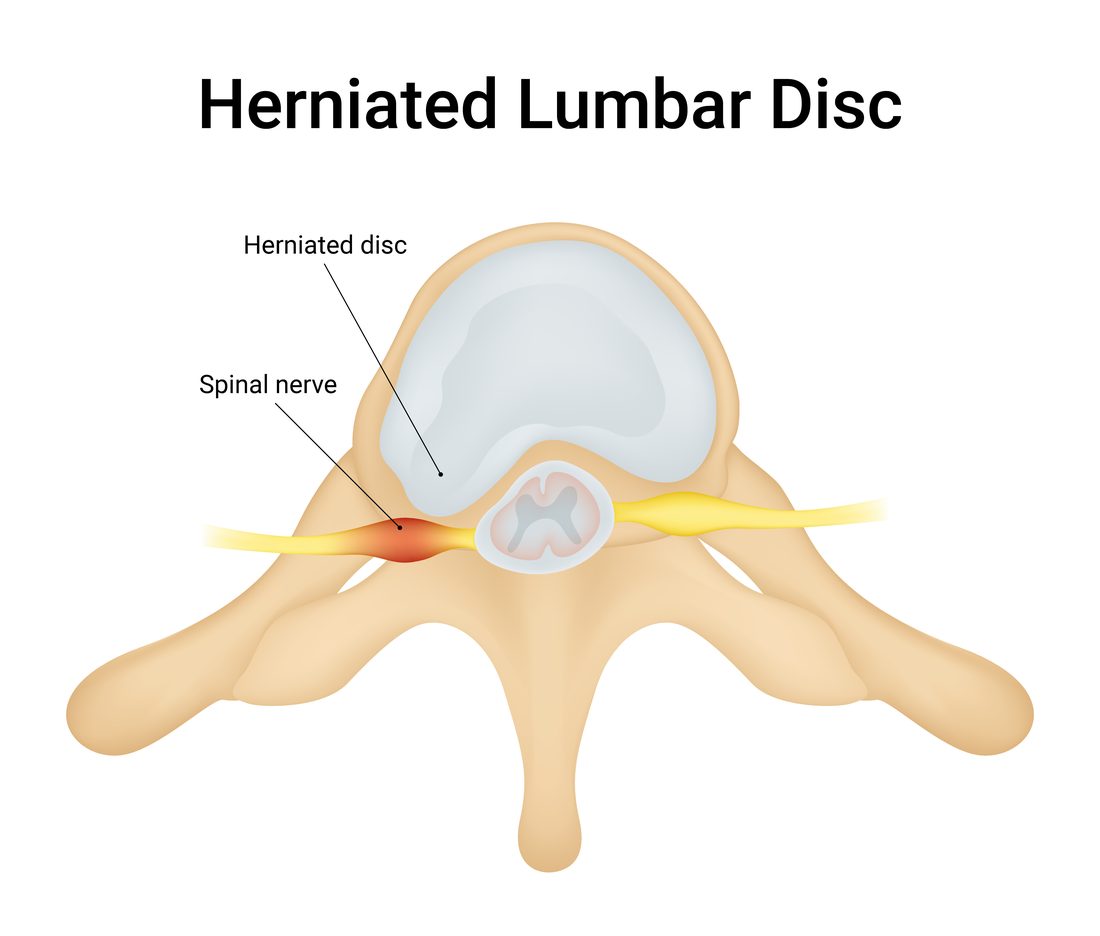
Between each pair of vertebrae sits an intervertebral disc — a tough outer ring (the annulus fibrosus) surrounding a soft, gel-like center (the nucleus pulposus). The disc acts as a cushion and shock absorber for the spine. With age, strain, or injury, the outer ring can weaken or tear, allowing the inner gel to bulge or push outward. When that displaced material presses against a spinal nerve root, it triggers pain and the radiating nerve symptoms that bring most people in for care.
What causes a herniated disc?
- Age-related disc degeneration — discs gradually lose water content and flexibility, making the outer ring more prone to tearing
- Lifting or twisting — using the back instead of the legs to lift, or twisting while lifting, can overload a disc
- Repetitive strain — jobs or activities involving constant bending, pulling, or lifting
- Prolonged sitting or driving — sustained pressure and vibration on the lumbar discs
- Excess body weight — adds mechanical load to the discs of the lower back
- Genetics — a family tendency toward disc problems
Common symptoms
Symptoms depend on where the herniation is and which nerve is affected:
- Lower back (lumbar): pain that radiates from the back through the buttock and down one leg — this is sciatica — often with numbness, tingling, or weakness in the leg or foot
- Neck (cervical): pain radiating into the shoulder, arm, or hand, sometimes with numbness or tingling (see neck pain & cervical disc herniation below)
- Symptoms that worsen with sitting, bending, coughing, or sneezing
How acupuncture may help
Acupuncture does not structurally repair a disc. Instead, it works on the inflammation, muscle tension, and nerve irritation around the affected area — the factors that drive most of the pain. In TCM (Traditional Chinese Medicine), pain is understood to arise where the free flow of Qi through the body's channels is obstructed, and treatment aims to restore that flow. Research suggests acupuncture may help disc-related pain through several mechanisms:
| Mechanism | What it may do |
|---|---|
| Eases pain | Stimulates the release of endorphins — the body's own pain-relieving compounds — and helps calm pain signaling, which may reduce the intensity of back, leg, or nerve pain |
| Reduces nerve-root inflammation | Decreases inflammatory compounds around the compressed nerve root |
| Releases muscle compression | Relaxes the deep spinal and gluteal muscles that tighten and add pressure on the nerve |
| Improves circulation | Enhances blood flow to the disc area and surrounding tissue, supporting the body's healing |
What the research says — and what two decades of practice add
Published RCT evidence for acupuncture in disc herniation is growing but not yet at the level of the back pain literature. What is well-established is that acupuncture significantly reduces radicular pain, muscle spasm, and the neuroinflammation driving nerve root irritation — the mechanisms most relevant to disc-related symptoms.
- Randomized controlled trial: Yun et al. (Evidence-Based Complementary and Alternative Medicine, 2012) found acupuncture produced significantly greater reductions in sciatica and lumbar disc herniation pain compared to NSAIDs, with fewer adverse effects.
- ACP guidelines: The American College of Physicians' 2017 recommendation for non-drug therapies in back pain explicitly includes radicular presentations.
- Two decades of clinical experience: Herniated disc and disc-related sciatica are among the conditions Ronen treats most frequently — and most successfully. Many patients arrive having been told surgery is their only option, or having exhausted injections and physical therapy. In the majority of cases, a course of acupuncture — particularly Master Tung's distal points and electroacupuncture — produces meaningful and lasting pain reduction, improved mobility, and in many cases avoidance of surgery. These are clinical observations, not a guarantee, and individual results vary. But the consistency of outcomes over twenty years is what gives us confidence in offering this care.
Acupuncture cannot physically reposition a disc. Progressive neurological deficit — weakness, loss of bladder or bowel control — requires urgent specialist evaluation. Individual results may vary.
Our approach
Treatment is built around advanced acupuncture techniques drawn from Master Tung's Acupuncture, Dr. Tan's Balance Method, and classical TCM — often combined and tailored to each patient. A key feature is distal needling: many points are placed away from the painful area — in the hands, legs, or scalp — so there is no direct pressure on the inflamed region, which is especially valuable during an acute flare. For chronic cases or those with significant nerve symptoms, electroacupuncture is often incorporated for stronger, more sustained stimulation of the nerve pathway. Individual results may vary.
Acupuncture works best as part of an integrative plan. We actively support collaboration with physical therapists, orthopedic specialists, and other providers — in our experience, combining acupuncture with targeted physical therapy often supports better outcomes than either alone.
Cervical disc herniation (neck)
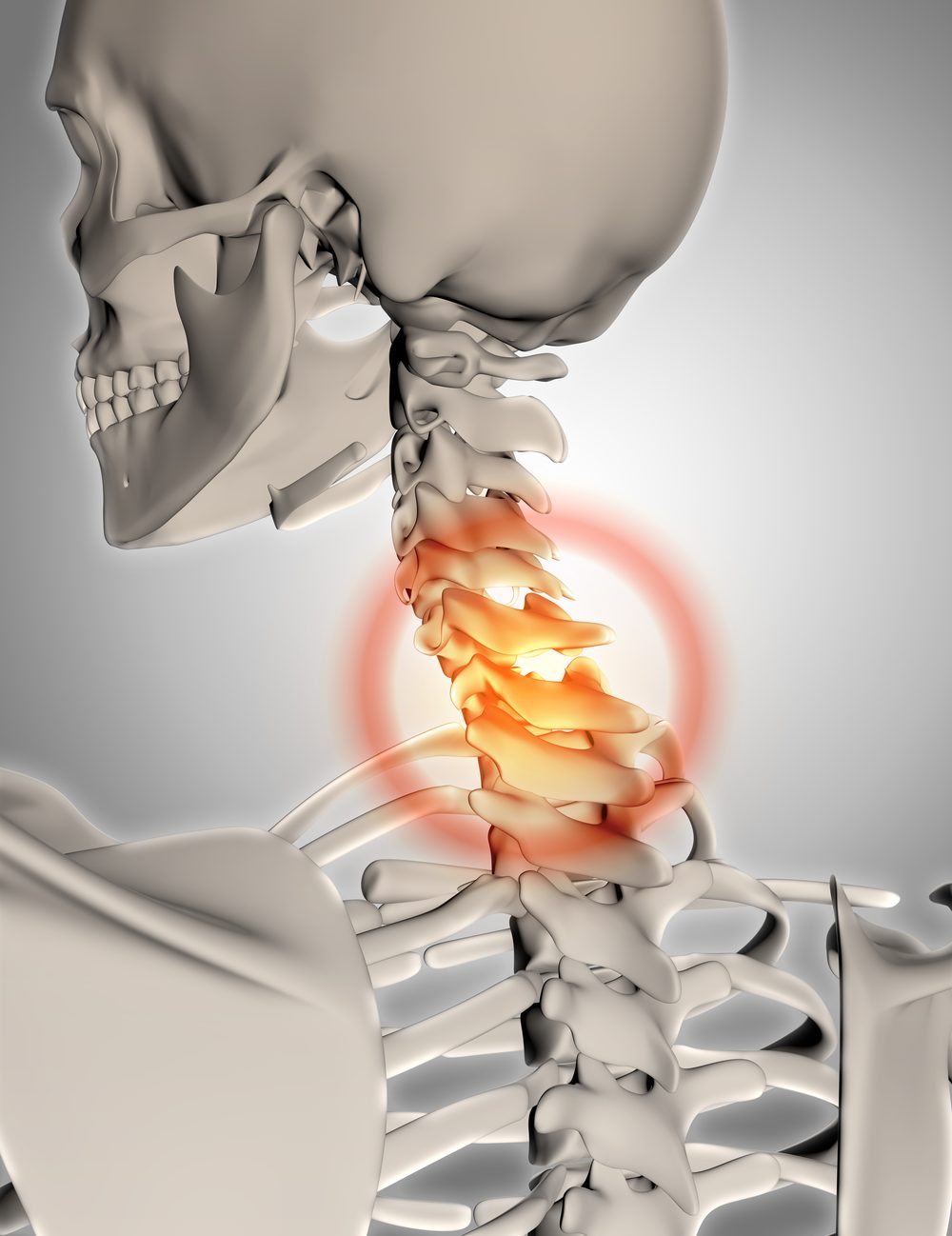
A herniated disc can also occur in the neck, where it may compress a nerve root and send pain, numbness, or tingling into the shoulder, arm, or hand. A growing contributor is prolonged phone and screen use. When the head tilts forward to look down at a device, the load on the cervical spine rises sharply — from about 10–12 lbs in a neutral position to roughly 27 lbs at 15° of forward flexion, and up to about 60 lbs at 60° (Hansraj, Surgical Technology International, 2014). A 2025 systematic review and meta-analysis of more than 10,000 people also found that smartphone overuse was associated with a significantly higher risk of neck pain (Chen et al., Postgraduate Medical Journal, 2025). Sustained over the years, this added load and forward-head posture — often called "tech neck" or "text neck" — may accelerate wear on the cervical discs and contribute to problems such as a cervical herniation. The same drug-free, distal-needling approach applies. If your symptoms are centered in the neck and arm rather than the lower back and leg, see our dedicated page on neck pain & cervical disc herniation for details specific to that area.
What to expect
Sessions are performed lying down or seated, whatever is most comfortable for you. Most patients feel a deep release of muscular tension during treatment, and many become so relaxed they fall asleep. During the first four sessions we'll see how your body is responding to treatment; from there we set the plan and the number of sessions together — this varies from patient to patient depending on how long the problem has been present and how quickly you progress. Treatment typically begins twice weekly, then eases to once weekly and every two weeks as you improve, with an optional monthly maintenance session to help hold your results. Individual results may vary.
Seek immediate medical attention if you experience: loss of bladder or bowel control, numbness in the groin or inner thighs, or severe or rapidly worsening weakness in the legs — these may indicate cauda equina syndrome, a medical emergency. For a neck (cervical) herniation, also seek urgent care for weakness or numbness in both arms or legs, problems with balance or walking, or loss of fine hand control. Acupuncture is not a substitute for emergency evaluation.