Acupuncture for Immune Strengthening
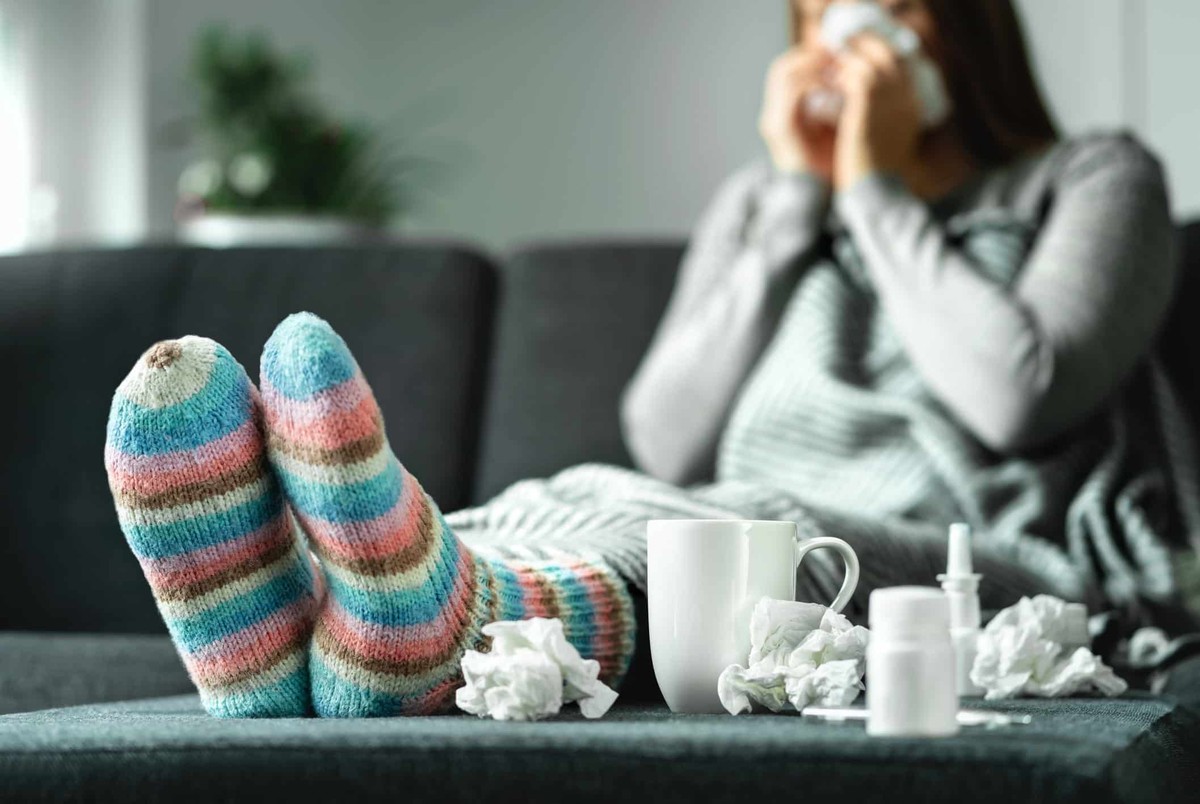
Catching one cold after another — missing work, disrupting your routine, feeling vulnerable — is exhausting. While most adults experience 2–3 colds per year, some people find themselves fighting infection after infection, month after month. Whether you catch colds frequently, manage lingering respiratory weakness, experience recurrent herpes outbreaks, or simply want to build robust immunity,...
What is Immune Weakness & Frequent Infections?
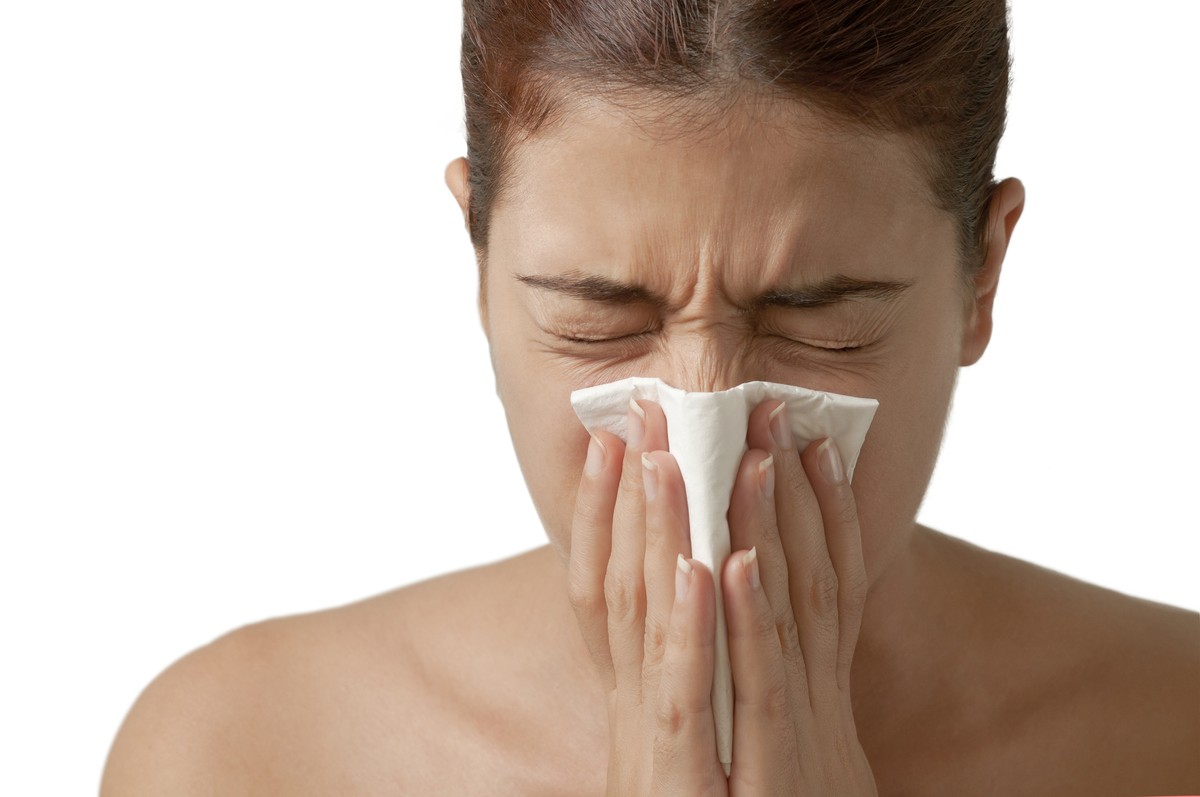
Immunity is your body's capacity to recognize, fight, and remember pathogens — viruses, bacteria, and other invaders. When immunity is strong, you catch fewer infections and recover quickly. When immunity weakens, you become susceptible: each viral exposure results in infection, symptoms linger longer, and recovery is slow.
Common causes of weak immunity include chronic stress, insufficient sleep, poor nutrition, overwork without adequate rest, unmanaged inflammation, and cumulative viral exposures. The result: frequent respiratory infections, prolonged recovery, persistent fatigue, vulnerability to secondary infections (sinus infection, bronchitis, ear infection), and a cycle where one illness barely resolves before another begins.
How Chinese Acupuncture Strengthens Immunity
Treatment uses advanced acupuncture techniques — combining Traditional Chinese Medicine, Master Tung's Acupuncture, Dr. Tan's Balance Method, and Auricular Acupuncture — creating personalized treatment that addresses immune weakness at multiple levels. Individual results vary.
| System | How It Strengthens Immunity |
|---|---|
| Auricular Acupuncture | Ear points stimulate immune organs and endocrine function, reinforcing systemic immune status and reducing inflammatory signals. |
| Traditional Chinese Medicine | Pattern recognition identifies whether weakness stems from Wei Qi deficiency, Lung Qi weakness, Spleen Qi deficiency, or Kidney Yang deficiency. Treatment tonifies the pattern and restores defensive reserves. |
| Master Tung's Acupuncture | Highly specific distal points on hands, forearms, and legs directly influence immune function and respiratory resilience with remarkable efficacy. |
| Dr. Tan's Balance Method | Bilateral balancing restores autonomic nervous system symmetry, enabling more robust immune responses and reducing chronic inflammation. |
Understanding Your Immune Weakness in Chinese Medicine
Chinese medicine recognizes four primary patterns underlying frequent infections. Understanding your pattern helps explain why you're vulnerable and how treatment will strengthen you:
Catch every virus, easy sweating, pale complexion, low-grade fatigue. Treatment tonifies surface defenses.
Colds → chest symptoms, lingering cough, weak voice. Treatment strengthens respiratory epithelial defenses.
Loose stools, food sensitivities, fatigue, weight loss. Treatment tonifies digestion and nutrient absorption.
Profound fatigue, cold extremities, weak lower back. Treatment restores deep constitutional vitality.
What to Expect in Treatment
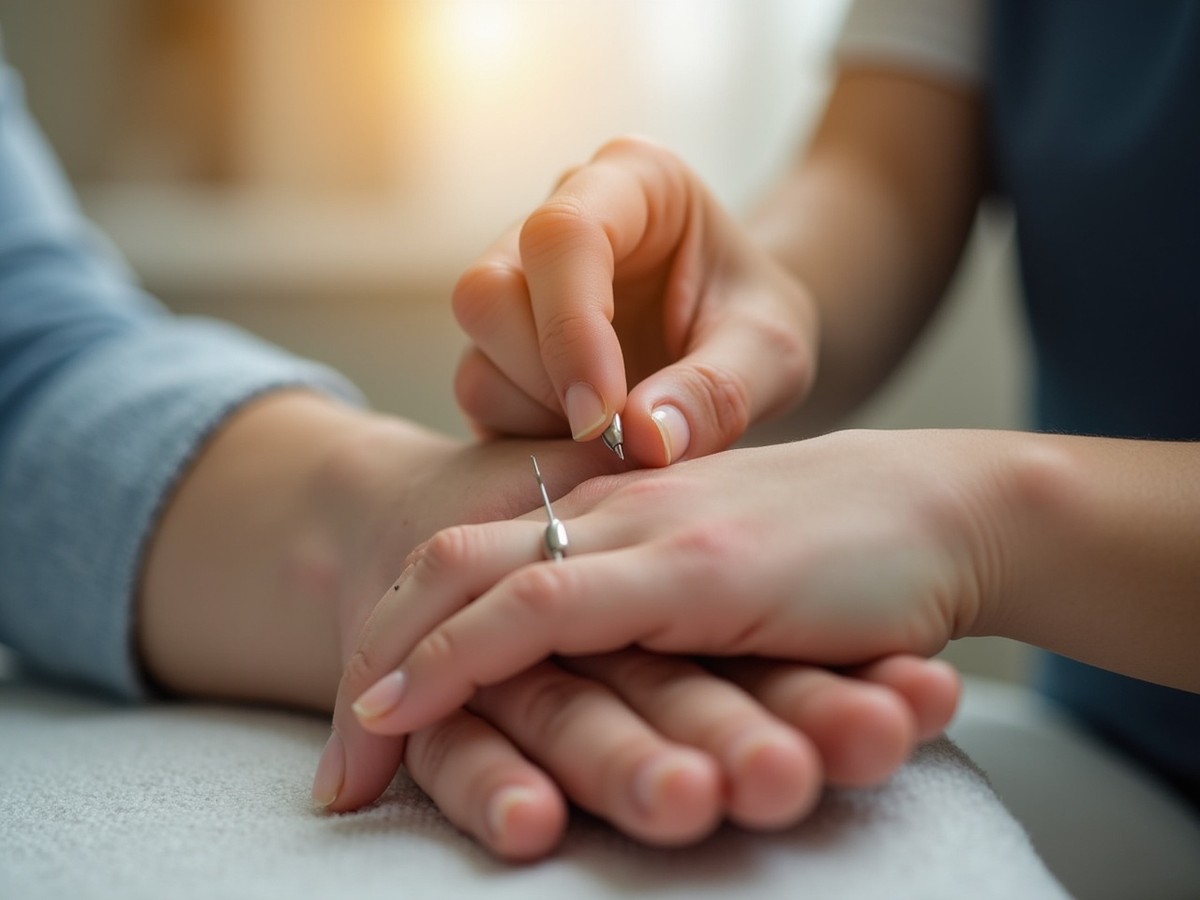
Initial Assessment (Sessions 1–6): Unlike acute conditions, immune strengthening requires time. The first 6 sessions serve as an assessment and initial tonification window. I monitor your infection frequency, energy level, sleep quality, digestive function, and overall resilience. Most patients notice some improvement — fewer colds, faster recovery, better energy — within this period. Individual results vary.
Treatment Frequency & Duration: Immunity work typically begins at twice weekly (2 sessions per week) to establish consistent tonification. As improvement becomes evident, frequency may reduce to weekly or biweekly. An initial course typically involves approximately 10 sessions as a baseline. Some patients achieve their goals in 8–10 sessions; others benefit from longer treatment. We assess your response throughout and collaboratively decide on the next phase based on your individual progress.
Maintenance & Long-Term Resilience: After achieving improved immunity and reduced infection frequency, ongoing maintenance treatment is essential to sustain results. Periodic maintenance — typically monthly during winter months, quarterly during warmer seasons, or adjusted to your individual needs — helps maintain the improvements you've gained and prevents regression.
What the Research Suggests
The scientific literature on acupuncture and immune function is robust. A comprehensive 2024 meta-analysis examining 56 randomized controlled trials showed that acupuncture significantly increased key immune markers including Natural Killer (NK) cells, Immunoglobulin G (IgG) and IgM antibodies, CD4+ T cells, and Interferon-gamma (IFN-γ). The same analysis found significant reductions in inflammatory markers associated with weak immunity, including interleukin-1, IL-6, and C-reactive protein.
What the research says — and what consistent clinical results add
Large definitive RCT evidence for acupuncture as immune support is still developing. What is well-established are the physiological mechanisms — and in clinical practice, the pattern is consistent.
- NK cell and immune marker activity: Multiple studies document acupuncture's ability to transiently increase natural killer (NK) cell activity and regulate pro-inflammatory cytokines (TNF-α, IL-6, IL-10) — providing a plausible and repeatedly demonstrated mechanism for immune modulation. (Zijlstra et al., Mediators of Inflammation, 2003).
- Respiratory infection prevention: A randomized controlled trial in Japan (326 participants) found preventive acupuncture led to significantly fewer days with cold symptoms and measurable delay in symptom onset compared to control groups. Individual results may vary.
- Clinical experience: Many of Ronen's long-term patients receive periodic acupuncture specifically to support immune resilience — and consistently report fewer seasonal illnesses, faster recovery when they do get sick, and improved overall vitality. These are patient-reported outcomes, not controlled trial data, but they are consistent enough across years of practice to be worth naming honestly.
Acupuncture is supportive care — it does not treat, prevent, or cure immune-mediated disease. Individual results may vary.
Related Conditions & Resources
Credentials: Ronen Rosenblatt Nir — Licensed Acupuncturist (Israel), NCCAOM certified, 20+ years clinical experience; US licensure recognition in process. Training: Chengdu University Hospital (China), Dr. Hu (Taiwan), Tel Aviv Sourasky Medical Center (Israel). For full background, visit the About page.
Sources: Liu F, Wang Y, et al. "Acupuncture immunomodulation and homeostasis: A review." QJM: An International Journal of Medicine. 2024 Mar 27;117(3):167-176. doi: 10.1093/qjmed/hcad134 · Wang N, Zhao L, et al. "Acupuncture alleviates pain and inflammation in cancer patients." Front Immunol. 2023 Feb 14;14:1092402. doi: 10.3389/fimmu.2023.1092402 · Zhao K, Qiao H, et al. "Neuro-immune mechanisms of acupuncture." Front Immunol. 2023 Apr 6;14:1147718. doi: 10.3389/fimmu.2023.1147718 · Kawakita K, et al. "Preventive and curative effects of acupuncture on the common cold: multicentre randomized controlled trial in Japan." Complement Ther Med. 2004;12(4):181-188. · National Center for Complementary & Integrative Health (NCCIH). "Acupuncture: In-Depth." National Institutes of Health.
This information is educational only and does not constitute medical advice. Weak immunity may indicate underlying medical conditions requiring professional evaluation. If you have active herpes, autoimmune conditions, or take immunosuppressive treatment, consult your physician before starting acupuncture. Always consult your physician before making changes to any medical treatment. Results vary individually and cannot be guaranteed. Acupuncture is a complementary therapy, not a replacement for conventional medical care.