
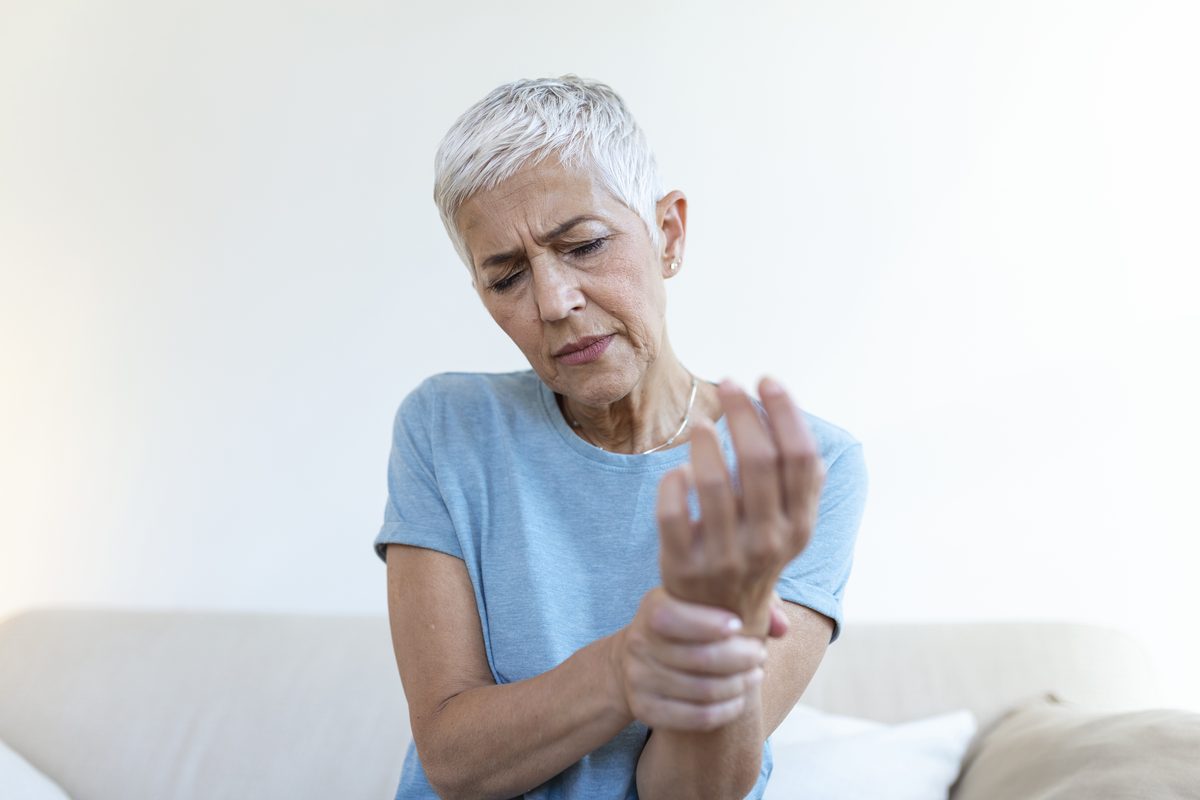
Acupuncture for Osteoarthritis & Joint Pain
Osteoarthritis is one of the most prevalent and challenging chronic conditions affecting millions of adults in the United States. Whether your pain affects your knees , hips , hands, spine , shoulders , or other joints, Chinese acupuncture may help reduce pain and improve your mobility and quality of life. This approach integrates traditional Chinese medicine with advanced microsystem...
Osteoarthritis: By the Numbers
(CDC/Arthritis Foundation, 2024)
What is Osteoarthritis?
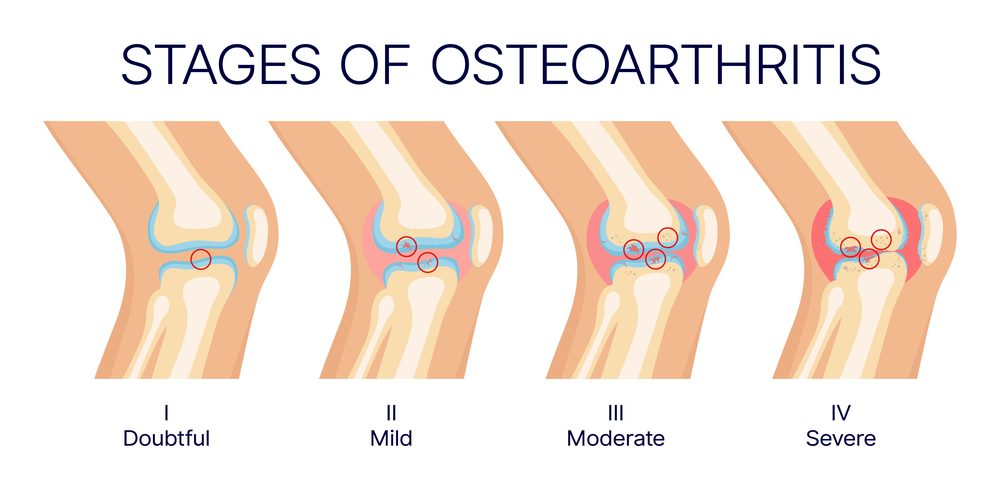
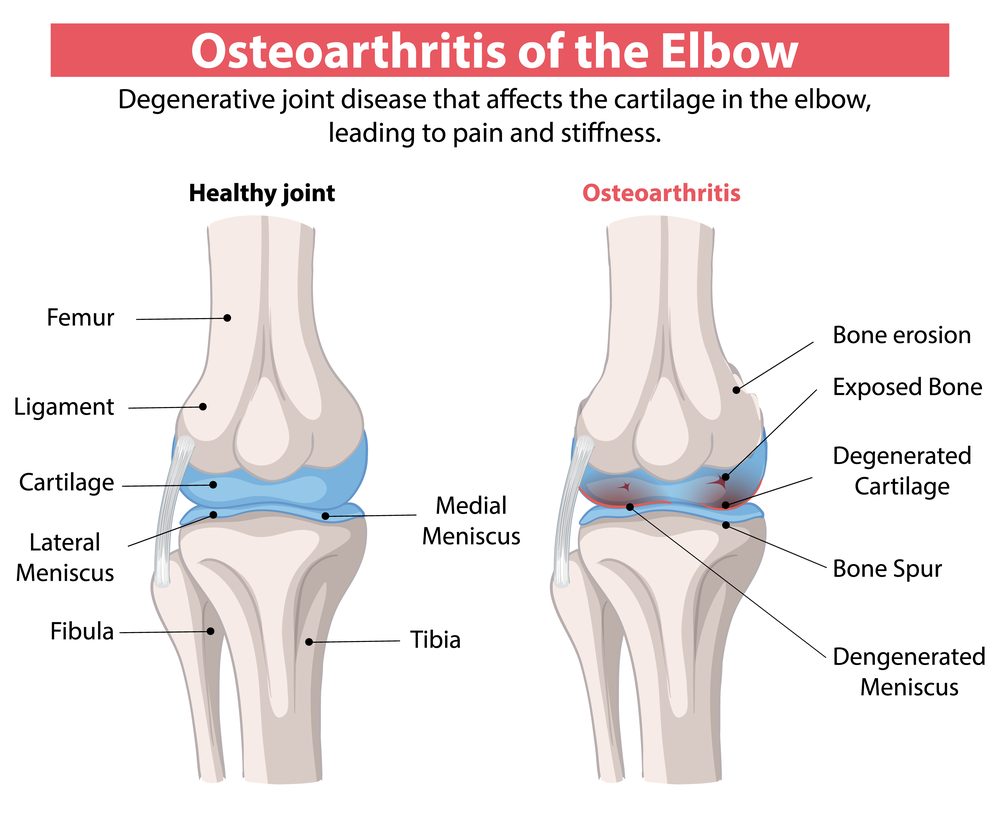
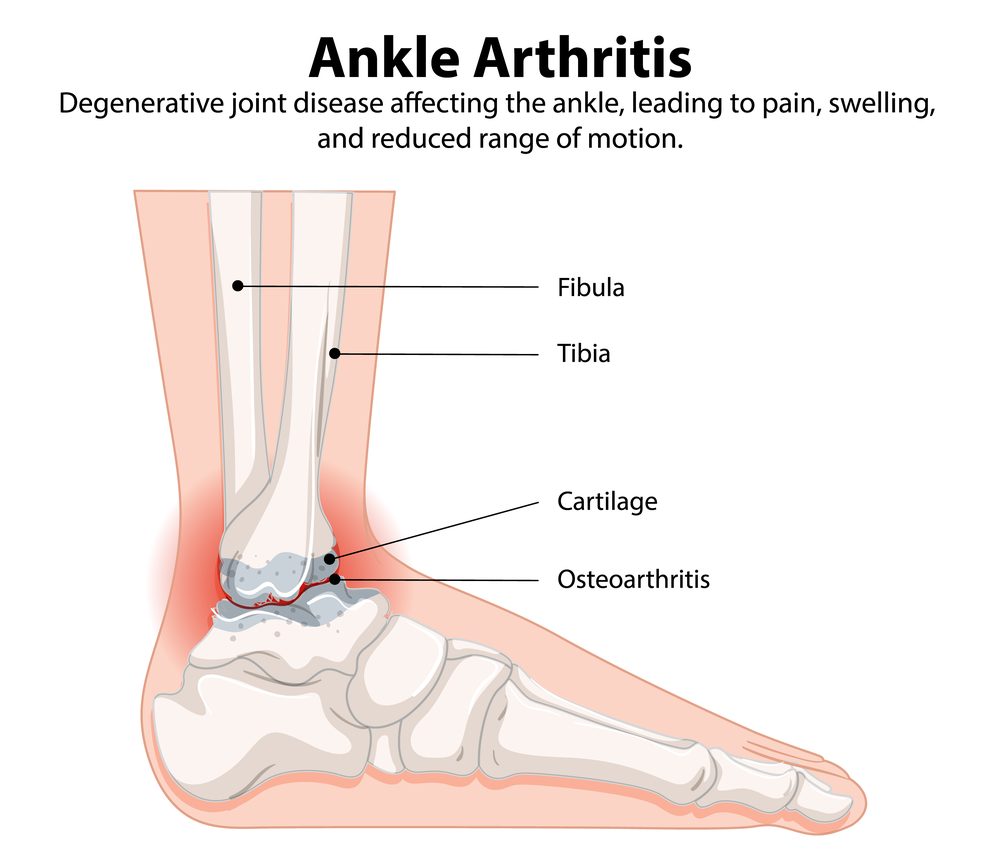
Osteoarthritis (OA) is a chronic degenerative joint condition characterized by progressive wear of articular cartilage — the smooth tissue that protects bone surfaces where they meet. Unlike inflammatory arthritides, OA typically develops gradually over years as the protective cartilage thins, bone-on-bone friction increases, and joint stiffness and pain develop. While acupuncture cannot reverse structural cartilage loss, it may significantly reduce pain, improve range of motion, and enhance your ability to perform daily activities.
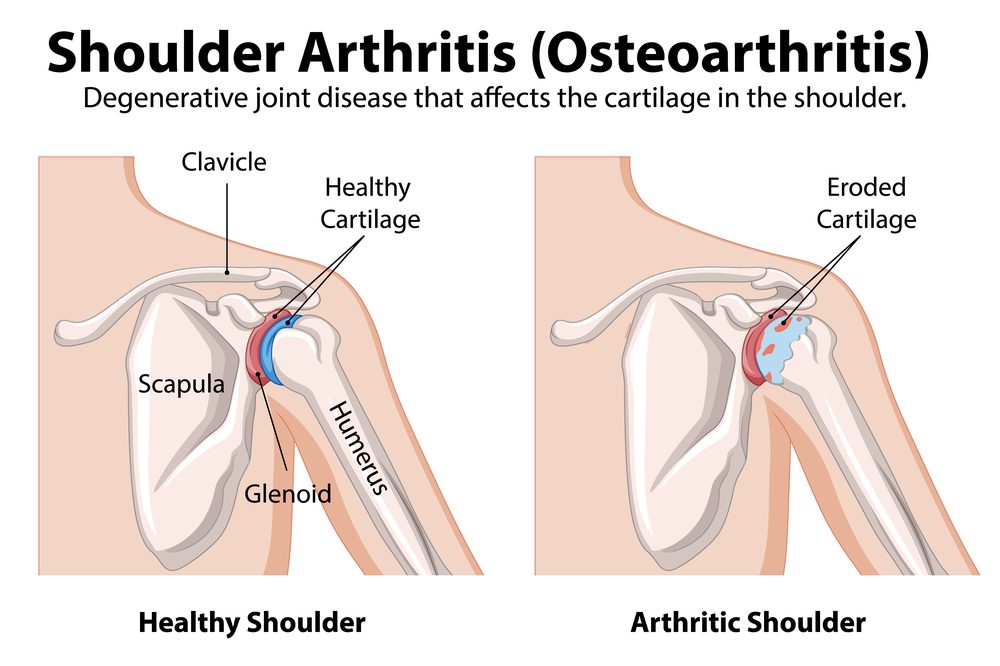
OA most commonly affects weight-bearing joints (knees, hips), hands (especially at the base of the thumb), the cervical and lumbar spine, and the shoulders. Some people experience mild, intermittent pain that comes and goes with activity. Others develop chronic joint pain that limits their mobility and quality of life.
Your Integrated Acupuncture Treatment Approach
At my clinic in Boca Raton, I combine four distinct acupuncture systems for osteoarthritis, creating a comprehensive, personalized treatment that addresses your condition from multiple angles:
| Treatment System | How It Works for OA |
|---|---|
| Auricular Acupuncture Applied at end of session |
Specific ear points corresponding to affected joints help regulate pain signaling and systemic inflammation. Supporting technique integrated into body treatment. |
| Traditional Chinese Medicine Pattern-based |
Identifies the underlying TCM patterns (e.g., Kidney Yang deficiency, Liver Qi stagnation, Blood stasis) driving your pain and stiffness. Restores balance and promotes healing of affected tissues. |
| Master Tung's Acupuncture (an advanced acupuncture system) Microsystem |
Highly specific distal points far from the affected joint that create rapid, durable pain relief. Often produces noticeable improvement within 1–2 sessions. |
| Dr. Tan's Balance Method (an advanced acupuncture method) Bilateral rebalancing |
Uses bilateral (left-right) point pairing to rebalance your nervous system and reduce pain perception. Complements TCM and Master Tung protocols. |
How Acupuncture May Help Osteoarthritis
Modern research and my 20+ years of clinical experience show that Chinese acupuncture addresses OA through multiple mechanisms:
| Mechanism | Clinical Benefit |
|---|---|
| Pain Modulation | Acupuncture stimulates endogenous opioid release and modulates pain pathways in the spinal cord and brain, reducing chronic pain perception. |
| Anti-inflammatory Response | Acupuncture may reduce inflammatory cytokines and promote immune regulation, supporting the body's natural healing response. |
| Local Tissue Healing | Increased blood flow to affected joints promotes nutrient delivery, waste removal, and cellular repair. |
| Neurogenic Inflammation Control | Reduces neurogenic inflammation around damaged tissues, supporting pain relief and functional improvement. |
| Proprioceptive Reintegration | Enhances joint proprioception and motor control, improving stability and reducing compensatory pain patterns. |
TCM Perspective on Osteoarthritis
Chinese medicine views OA not as a simple "wear and tear" disease, but as an imbalance in the flow of Qi (vital energy) and blood through the meridians that govern joint health and structural integrity. Three main patterns are commonly recognized in Chinese acupuncture practice:
1. Kidney Yang Deficiency with Cold-Damp Obstruction
How it feels: Chronic, worse in cold weather, stiffness in the morning or after rest, weak knees or lower back, cold extremities, and slow improvement with activity.
How it responds to acupuncture: Warming and tonifying acupuncture points restore Kidney Yang, improve circulation, and dissipate cold-damp. Patients often notice increased warmth in the joint and easier morning mobility.
2. Liver Qi Stagnation with Blood Stasis
How it feels: Pain that worsens with emotional stress or tension, feeling of tightness or "stuck" movement, sharp or stabbing pain that may change location, history of trauma to the joint.
How it responds to acupuncture: Acupuncture moves stagnant Qi and invigorates blood, restoring smooth flow. Pain relief is often rapid and durable as circulation improves.
3. Spleen Qi Deficiency with Phlegm-Damp Accumulation
How it feels: Heaviness in the affected joint, swelling or puffiness, fatigue that worsens with prolonged activity, history of digestive issues or weight gain.
How it responds to acupuncture: Tonifying Spleen function improves nutrient absorption and promotes metabolism of excess fluid, reducing swelling and heaviness.
Research & Evidence
Acupuncture for osteoarthritis has been extensively studied, particularly for knee and hip OA:
- Knee Osteoarthritis: Recent meta-analyses (Chen et al., Pain Medicine 2024; Zhou et al., Frontiers in Medicine 2025) demonstrate that acupuncture may produce clinically significant improvements in pain and function that are durable even after treatment completion. The American College of Rheumatology/Arthritis Foundation (2019) conditionally recommends acupuncture for knee OA management.
- Hip & Hand Osteoarthritis: The ACR/Arthritis Foundation also conditionally recommends acupuncture for hip and hand OA, though evidence is more limited than for knee OA. Cochrane reviews indicate potential benefit, though larger, well-designed trials are needed.
- Mechanisms: Research demonstrates that acupuncture regulates pain-modulating neurotransmitters, reduces inflammatory cytokines, improves local blood flow, and enhances proprioceptive function — all mechanisms relevant to OA symptom relief (Liu et al., Medicine 2024).
Individual results may vary. Evidence is promising but not conclusive. Acupuncture may help but is not a cure for osteoarthritis, which is a progressive condition.
What to Expect in Treatment
I approach osteoarthritis treatment conservatively and comprehensively, with emphasis on your individual response:
Initial Assessment (Sessions 1–4): The first 4 sessions serve as a clinical assessment window. I evaluate your response to treatment — pain levels, range of motion, functional capacity, and your experience with the acupuncture itself. Most patients notice some improvement within this period. Individual results vary.
Treatment Frequency: Acute or recent-onset OA typically starts at twice weekly (2 sessions per week). Chronic, longstanding OA may start at 2–3 times weekly depending on severity and your response. As improvement becomes evident, frequency gradually reduces to weekly, then biweekly, with monthly or quarterly maintenance recommended for sustained benefit.
Treatment Duration: Acute OA exacerbation may resolve within 6–10 sessions. Chronic OA typically benefits from a longer course — often 12–20 sessions — plus ongoing maintenance, since the underlying joint wear is progressive. The goal shifts from remission (which may not be possible) to sustained pain reduction and functional improvement.
What You'll Experience: Acupuncture sessions last 30–45 minutes. You'll rest comfortably while needles remain in place. Many patients feel deep relaxation, reduced pain during the session, and improved sleep that night. Improvements often build cumulatively — each session contributes to the next.
While acupuncture cannot reverse cartilage degeneration, research suggests it may significantly reduce pain and improve function in osteoarthritis. The goal is not to rebuild cartilage but to reduce pain, improve mobility, and enhance your quality of life. Clinical trials show that many patients experience durable improvements in pain and function even though the underlying cartilage wear remains. Individual results vary.
Never stop or reduce physician-prescribed medication without consulting your doctor. I do not recommend stopping medication. However, as your pain improves with acupuncture, you may find you need less pain relief. If your symptoms improve significantly, discuss with your physician whether a dose reduction is appropriate. Any changes to medication are always your doctor's decision.
Yes — acupuncture works synergistically with physical therapy, exercise, weight management, and other conservative treatments. In fact, combining acupuncture with active rehabilitation often produces better outcomes than either alone. Please inform me of any other treatments you're receiving so we can coordinate your care.
Multi-joint OA is common and absolutely treatable with acupuncture. My integrated approach — combining acupuncture for knee osteoarthritis, hip joint pain relief, and shoulder arthritis treatment with TCM, Master Tung's, Dr. Tan's Balance, and auricular acupuncture — is designed to address systemic imbalances driving widespread joint pain. I work with patients who have OA affecting their knees, hips, hands, cervical spine, and shoulders simultaneously. Treatment is personalized to your presentation.
We are a self-pay practice and do not bill insurance directly. Upon request, we can provide a superbill — an itemized receipt with the codes insurers require — which you may submit to your insurance company for possible out-of-network reimbursement, depending on your plan. Acupuncture is a qualified medical expense for Health Savings Accounts (HSA), Flexible Spending Accounts (FSA), and Health Reimbursement Arrangements (HRA). Contact us with questions.
I have extensive clinical experience treating osteoarthritis using integrated acupuncture protocols combining Traditional Chinese Medicine, Master Tung's techniques, and Dr. Tan's Balance Method (an advanced acupuncture method). For full credentials, training background, and professional qualifications, please visit the About page.
Related Conditions
Osteoarthritis often co-exists with or contributes to pain in specific areas. Explore related condition pages for targeted information:
Most common site for OA Hip Pain & OA
Weight-bearing joint stress Cervical Osteoarthritis
Neck stiffness and pain Shoulder OA & Mobility
Range of motion loss
Sources & Research
Epidemiology & Prevalence:
Fallon EA, et al. "Prevalence of Diagnosed Arthritis — United States, 2019–2021." MMWR Morb Mortal Wkly Rep. 2023;72:1101–1107. Centers for Disease Control and Prevention.
Osteoarthritis Action Alliance. "OA Prevalence and Burden." https://oaaction.unc.edu/oa-module/oa-prevalence-and-burden/. 2025.
Xu Y, Wu Q. "Trends and Disparities in Osteoarthritis Prevalence Among US Adults, 2005–2018." Sci Rep. 2021;11:24054.
Acupuncture & Clinical Efficacy:
Chen H, et al. "Durable Effects of Acupuncture for Knee Osteoarthritis: A Systematic Review and Meta-analysis." Pain Med. 2024 Jul;28(7):709–722.
Zhou J, et al. "Research Trends and Hotspots of Acupuncture for Knee Osteoarthritis from 2004 to 2024: A Bibliometric Analysis." Front Med. 2025;12:1604209.
Manheimer E, Cheng K, Wieland LS, et al. "Acupuncture for Hip and Knee Osteoarthritis." Cochrane Database Syst Rev. 2018;(5):CD013010.
American College of Rheumatology / Arthritis Foundation Clinical Practice Guidelines. 2019.
Mechanisms & Traditional Chinese Medicine:
Qi B, Wang Z, Cao Y. "Treatment of Osteoarthritis by Acupuncture Combined with Traditional Chinese Medicine Based on Pathophysiological Mechanism." Medicine (Baltimore). 2024;103(14):e37483.
National Center for Complementary and Integrative Health (NCCIH), NIH. "Acupuncture: Effectiveness and Safety.". 2024.
Maintenance & Sustained Improvement
After achieving your desired pain reduction and functional improvement, ongoing maintenance treatment is essential to sustain your results. Osteoarthritis is a progressive condition, and periodic treatment — typically monthly or quarterly depending on your individual needs — helps prevent regression and maintains the benefits gained during your initial treatment course. Your practitioner will recommend a personalized maintenance schedule based on your progress and response.
Disclaimer: This page is for educational purposes only and is not a substitute for medical diagnosis, treatment, or professional advice. Acupuncture is a complementary therapy. Always consult your physician before beginning any new treatment or making changes to existing care. Results vary individually.
What the research says
Osteoarthritis — particularly of the knee and hip — is one of the best-evidenced areas for acupuncture, with Cochrane reviews, large RCTs, and guideline recognition.
- Cochrane review — knee and hip OA: Manheimer et al. (Cochrane Database of Systematic Reviews, 2010) found acupuncture provided clinically relevant short-term improvement in pain and function for knee osteoarthritis.
- Individual patient data meta-analysis: Vickers et al. (Journal of Pain, 2018) confirmed acupuncture significantly superior to sham and no-treatment for osteoarthritis pain across 39 trials and 20,000+ patients, with effects persisting at 12 months.
- Large US RCT: Berman et al. (Arthritis & Rheumatism, 2004) found true acupuncture produced significantly greater improvement in knee OA pain and function than sham or patient education at 26 weeks in a rigorous US trial.
- NICE and OARSI guidance: Both the UK's NICE and the Osteoarthritis Research Society International (OARSI) recognize acupuncture as a conditionally recommended option for knee OA, particularly where exercise and weight management alone are insufficient. Individual results may vary.
Evidence supports acupuncture for osteoarthritis pain management; it does not reverse structural joint changes. Individual results may vary.