
Acupuncture for Plantar Fasciitis & Heel Pain in Boca Raton
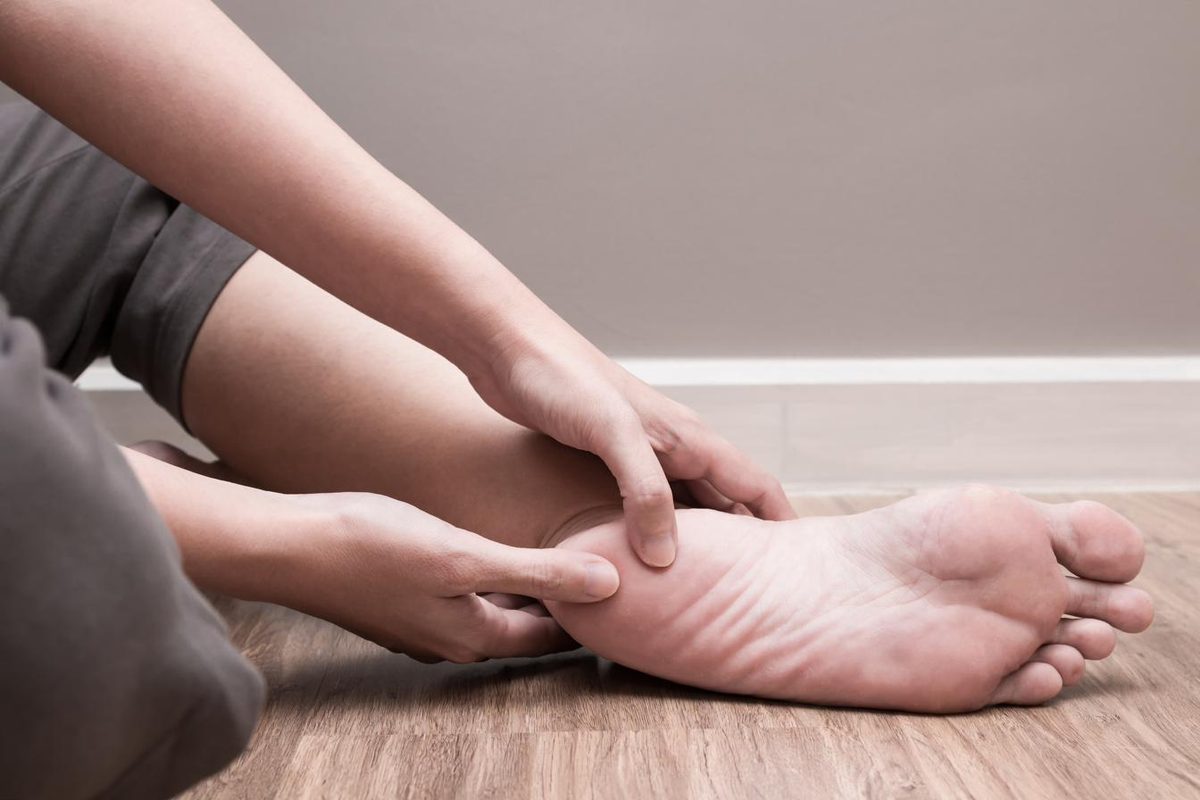
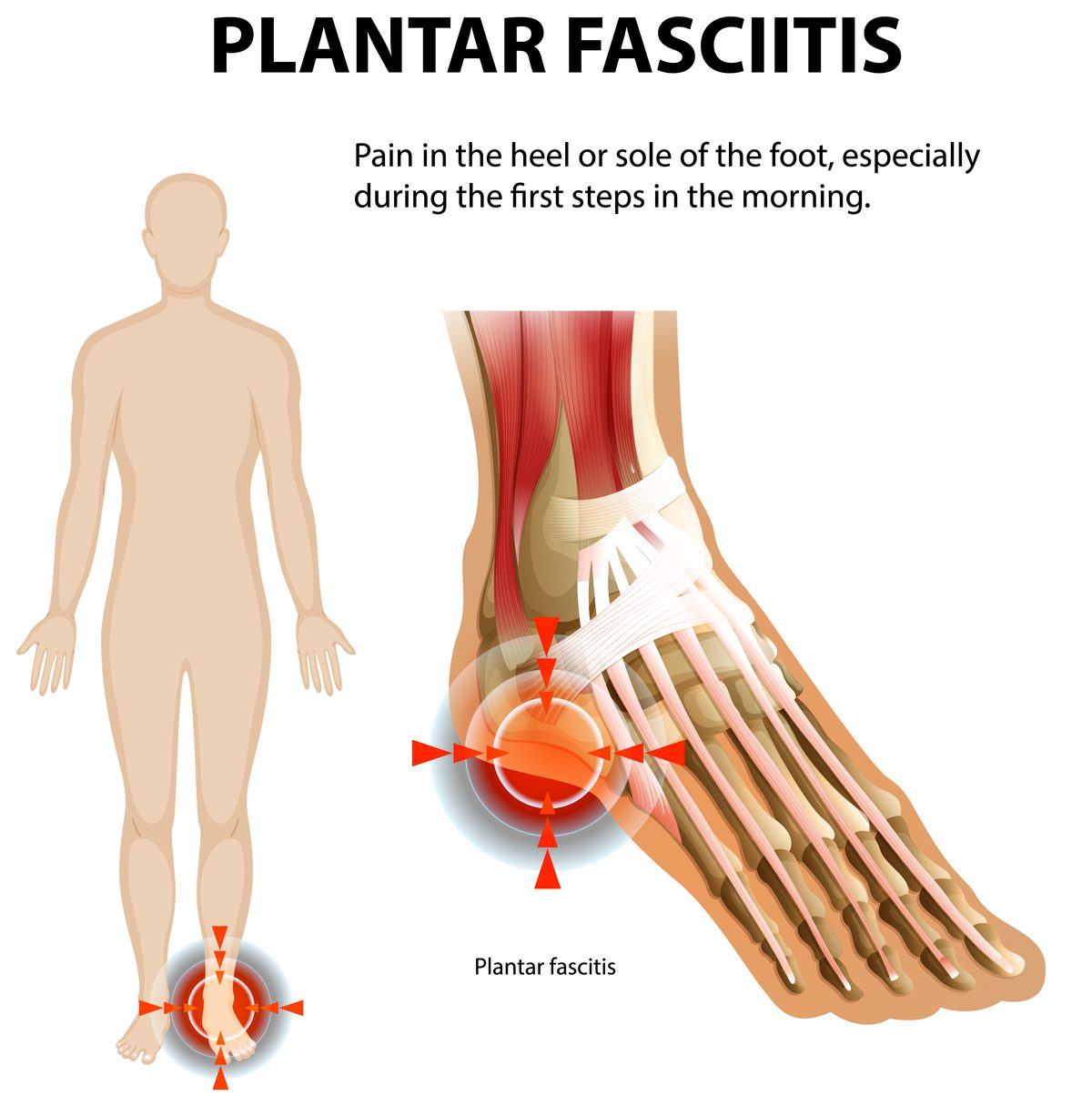
That sharp, stabbing heel pain with your very first steps in the morning is the hallmark of plantar fasciitis — the most common cause of heel pain. It comes from irritation and inflammation of the plantar fascia, the thick band of tissue running along the bottom of the foot from the heel to the toes. It can be stubborn and slow to resolve, which is why many patients look for additional...
What is plantar fasciitis?
The plantar fascia is a strong, fibrous band of tissue that supports the arch of the foot. When it's overloaded or strained, tiny tears and inflammation can develop where it attaches to the heel — causing the classic stabbing pain. The pain is typically worst with the first steps after waking or after long periods of rest, then eases with movement, only to return after standing for long stretches.
Common causes & risk factors
| Risk factor | How it contributes |
|---|---|
| Prolonged standing or walking | Common in jobs that keep you on your feet on hard surfaces |
| Running & high-impact activity | Repetitive loading of the fascia, especially with a sudden increase in activity |
| Foot mechanics | Flat feet, high arches, or tight calf muscles change how load is distributed |
| Unsupportive footwear | Worn-out or flat shoes with little arch support |
| Weight & age | Extra load on the fascia; most common between ages 40 and 60 |
Common symptoms
Sharp pain in the bottom of the heel when getting out of bed or standing after rest — the most recognizable sign.
The pain often loosens up after walking a bit, then comes back after long periods on your feet.
Pain or tightness along the bottom of the foot, sometimes extending from the heel toward the arch.
How acupuncture may help
Research suggests acupuncture may help plantar fasciitis through several mechanisms:
| Benefit | Mechanism |
|---|---|
| Pain reduction | Endorphin release and modulation of pain signaling |
| Reduced inflammation | May lower inflammatory activity in the irritated fascia |
| Released tension | May ease tightness in the fascia, calf, and surrounding muscles |
| Improved circulation | Better local blood flow supports tissue healing |
A review in the Singapore Medical Journal concluded acupuncture may be a useful addition for plantar fasciitis pain, while noting the need for higher-quality trials (Thiagarajah A.G., 2017). Other trials have reported benefit when acupuncture is combined with standard care. Evidence is encouraging but not conclusive. Individual results may vary.
Our approach
Treatment uses advanced acupuncture techniques alongside classical Traditional Chinese Medicine (TCM). Using distal points — often on the hands, the opposite leg, or points that mirror the foot — treatment can influence the painful heel gently. Because plantar fasciitis is often linked to calf tightness and the mechanics of the whole leg, treatment frequently addresses the calf and ankle as well, not just the heel. Acupuncture also works well alongside the stretching, footwear changes, and other measures your doctor or physical therapist may recommend. Individual results may vary.
What to expect
Treatment is typically recommended twice weekly at first. I use the first 4 sessions as a clinical assessment — most patients notice meaningful change within this period. Plantar fasciitis can be slow to resolve, so consistency matters; once improvement is established, frequency is reduced gradually, with maintenance as needed.
See a physician for: heel pain following an acute injury, numbness or tingling in the foot, pain with redness and warmth (possible infection), or pain that doesn't improve with conservative care. These may point to other conditions — such as a stress fracture or nerve issue — that need medical evaluation.
Related Conditions & Services
Sources: American Academy of Orthopaedic Surgeons (AAOS) — plantar fasciitis prevalence and as the leading cause of heel pain; Thiagarajah A.G., "How effective is acupuncture for reducing pain due to plantar fasciitis?" Singapore Medical Journal, 2017.
What the research says
Plantar fasciitis is an area where acupuncture research has grown meaningfully in the past decade, with controlled trials showing consistent benefits for heel pain and function.
- Randomized controlled trial: Zhang et al. (Evidence-Based Complementary and Alternative Medicine, 2021) found acupuncture significantly reduced pain scores and improved foot function in plantar fasciitis compared to sham, with effects maintained at 3-month follow-up.
- Dry needling for plantar fascia: A systematic review (Cotchett et al., Physical Therapy, 2014) found dry needling of the calf and plantar fascia trigger points significantly reduced heel pain and disability compared to sham needling in the short term.
- Mechanism: Both acupuncture and dry needling may work by releasing trigger points in the gastrocnemius and soleus muscles that increase tensile load on the plantar fascia — addressing the upstream cause of heel pain rather than just the insertion site. Individual results may vary.
Evidence is encouraging for plantar fasciitis; most patients benefit from a combined approach addressing both local and proximal causes. Individual results may vary.