
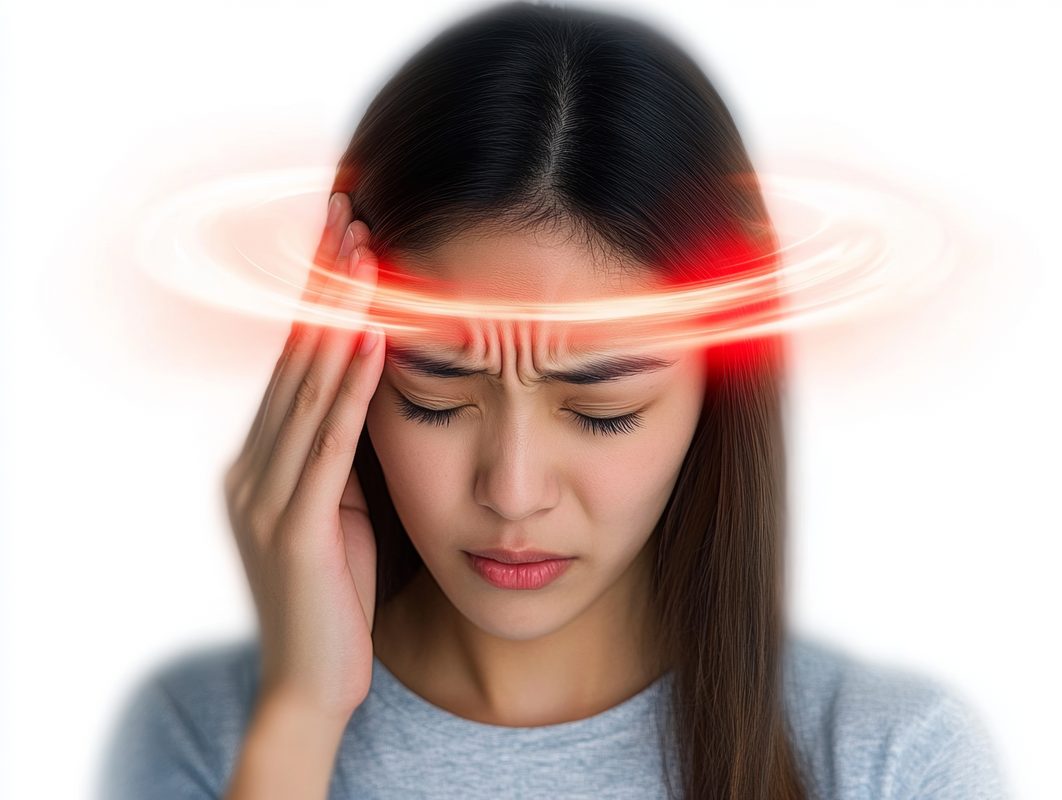
Understanding Vertigo, Dizziness & Balance Disorders
Vertigo and dizziness affect millions of people worldwide. Whether you experience brief spinning episodes from Benign Paroxysmal Positional Vertigo (BPPV) , chronic symptoms of Meniere's disease , vestibular neuritis , or dizziness from cervical conditions , acupuncture may help restore balance and stability naturally.
Ronen Rosenblatt Nir combines four integrated acupuncture systems—Traditional Chinese Medicine (TCM), Master Tung's Acupuncture (an advanced acupuncture system), Dr. Tan's Balance Method, and Auricular Acupuncture—tailored to your individual presentation to address dizziness at its source. Individual results may vary.
Many people experience spinning sensations and dizziness. Acupuncture may help reduce these symptoms and restore balance.
Vertigo is the sensation of spinning or rotational movement when stationary. This differs from general dizziness (lightheadedness) and significantly impacts quality of life, affecting work performance, daily activities, and emotional well-being. Research shows that acupuncture for vertigo addresses both the physical mechanisms of balance and underlying imbalances that contribute to recurring episodes.
Benign Paroxysmal Positional Vertigo (BPPV)
The most common cause of peripheral vertigo, BPPV occurs when calcium carbonate crystals (otoconia) within the inner ear become displaced, triggering sudden brief spinning episodes with head movement. Conventional treatment includes repositioning maneuvers. Research shows that acupuncture may help reduce vertigo symptoms even when crystal repositioning alone does not provide complete relief. A 2024 randomized controlled trial published in the Journal of Acupuncture and Tuina Medicine found that acupuncture was non-inferior to standard medication (betahistine) for residual dizziness after repositioning procedures (p < 0.05). Many of our patients report that acupuncture treatment helps manage ongoing symptoms and reduces recurrence risk.
Meniere's Disease
A chronic inner ear disorder characterized by episodic vertigo, fluctuating hearing loss, tinnitus (ear ringing), and ear fullness. Recent meta-analysis (November 2024) of multiple randomized controlled trials found acupuncture significantly reduces vertigo frequency and severity in Meniere's disease (RR: 1.20; 95% CI: 1.11–1.29; p < 0.0001). Acupuncture may improve inner-ear microvascular circulation and modulate inflammatory markers driving Meniere's symptoms. Individual results may vary.
Vestibular Neuritis
Sudden inflammation of the vestibular nerve causes acute severe vertigo, often lasting days to weeks. Acupuncture may support recovery by reducing inflammation and accelerating vestibular compensation—the brain's natural rebalancing process after vestibular injury.
Cervical Vertigo (Neck-Related Dizziness)
Dizziness arising from neck tension, cervical spondylosis (neck arthritis), or reduced blood flow in vertebral arteries. A 2025 meta-analysis of 7 randomized controlled trials (714 participants) found acupuncture combined with conventional care significantly improved vertebral artery blood flow compared to medication alone. Acupuncture releases muscular tension and improves circulation to the brain.
Additional Vertigo Types
Posterior Circulation Infarction Vertigo (PCIV): Vertigo resulting from reduced blood flow to posterior brain regions. Acupuncture modulates cerebral blood flow velocity in vertebrobasilar arteries and speeds recovery.
Age-Related Vertigo: As balance systems decline with age, older adults experience increased fall risk and reduced independence. Acupuncture restores vestibular sensitivity and improves proprioception (body awareness).
Drug-Induced Vertigo: Medications including antihistamines, benzodiazepines, and blood pressure medications can cause dizziness. Acupuncture may help manage symptoms while you work with your physician on medication adjustment.
Post-Concussion Vertigo: Head injury can disrupt vestibular function. Acupuncture supports neurological healing and rebalances sensory pathways.
How Traditional Chinese Medicine Understands Vertigo
In Traditional Chinese Medicine (TCM), vertigo arises from imbalances in the functional systems that govern balance, sensory processing, and circulation. These are energy and functional systems in TCM theory, not the physical organs of the same name. Understanding these patterns helps explain why acupuncture treatment works.
Root TCM Patterns in Vertigo
Kidney Yang Deficiency: The Kidney functional system governs the inner ear and balance mechanisms in TCM. When Kidney Yang is depleted, insufficient qi (vital energy) reaches the labyrinth, resulting in chronic dizziness, lightheadedness, and poor balance—especially after exertion or cold exposure. Common in age-related vertigo and post-illness recovery.
Liver Yang Rising: When Liver qi stagnates, Liver Yang rises and disturbs the head and inner ear. This pattern produces sudden spinning episodes, headache with vertigo, irritability, and stress sensitivity. Common in BPPV and Meniere's disease.
Spleen Qi Deficiency: A weakened Spleen system fails to maintain clear sensory processing and stable blood circulation to the head. Symptoms include chronic lightheadedness, brain fog, fatigue, and poor appetite alongside dizziness. Often coexists with Kidney Yang Deficiency.
Heart Yin Deficiency: When Heart Yin (cooling, grounding energy) depletes, the Heart-mind cannot settle. This produces dizziness with anxiety, palpitations, insomnia, and emotional reactivity.
Kidney Yin Deficiency: When Kidney Yin (nourishing essence) depletes, inner-ear structures lack adequate neural nourishment. This produces chronic low-grade dizziness, tinnitus, night sweats, and dry mouth—common in Meniere's disease and age-related vertigo.
Phlegm Obstruction: Unmetabolized fluid accumulation (phlegm) clouds sensory organs and blocks balance signals. This produces spinning vertigo with heaviness, brain fog, thick tongue coating, and worsening after eating.
Blood Stasis: Poor circulation to the inner ear and brain disrupts vestibular signaling. Especially relevant in cervical vertigo, posterior circulation insufficiency, and age-related vertigo.
Acupuncture treatment combines multiple patterns simultaneously, selecting points and modalities based on your individual symptom presentation and underlying imbalances.
Four Integrated Acupuncture Systems for Vertigo
Ronen tailors each treatment session to your presentation, blending these four systems for optimal results:
Traditional Chinese Medicine (TCM) Acupuncture
Classical TCM addresses the root patterns driving your vertigo—Kidney Yang Deficiency, Liver Yang Rising, Spleen Qi Deficiency, and others. TCM stimulates specific functional channels to restore balanced circulation, reduce inflammation, and rebalance the inner ear. Sessions last 40–45 minutes with needle retention for full qi activation.
Master Tung's Acupuncture
Master Tung's system emphasizes micro-acupoints on the forearms and hands that directly rebalance vestibular signaling without unnecessary head movement. This approach is particularly valuable for patients unable to tolerate traditional repositioning maneuvers. Many patients report rapid symptom relief within 1–2 treatments.
Dr. Tan's Balance Method
Dr. Tan's method exploits bilateral symmetry: needling one side of the body creates reflex changes on the opposite side. This remote acupoint strategy directly engages the brain's balance centers (cerebellum, vestibular nuclei). For vertigo, needling the non-affected side rebalances vestibular tone without additional head repositioning.
Auricular Acupuncture
The ear is a microsystem reflecting the entire body. Auricular points regulate vestibular and autonomic function. Research shows auricular acupuncture reduces cortisol stress hormone levels, improves inner-ear microvascular circulation, and stabilizes emotional reactivity. Often combined with body acupuncture for reinforcement.
Each session integrates the system(s) best suited to your presentation. Some patients respond best to classical TCM needling; others benefit most from Master Tung's micro-points or Dr. Tan's symmetry method. Auricular acupuncture reinforces all approaches. Ronen assesses your response over the first four sessions and adjusts accordingly. Individual results may vary.
How Acupuncture May Help Vertigo & Dizziness
Scientific Mechanisms of Action
Vestibular Rebalancing: Acupuncture stimulates proprioceptive and vestibular pathways, helping the brain recalibrate balance sensitivity. Especially valuable for BPPV recovery and vestibular neuritis compensation.
Inner Ear Microvascular Circulation: Research confirms acupuncture improves blood flow to inner-ear structures (cochlea, labyrinth, vestibular organs), delivering oxygen and nutrients essential for normal function. Critical for Meniere's disease and age-related vertigo.
Vertebral & Basilar Artery Hemodynamics: For cervical vertigo and posterior circulation insufficiency, acupuncture dilates vertebral and basilar arteries, restoring blood flow to brainstem vestibular nuclei. Meta-analyses show acupuncture combined with conventional treatment outperforms medication alone.
Neuroinflammation Reduction: Acupuncture downregulates inflammatory mediators in the inner ear and nervous system, accelerating recovery from vestibular neuritis and Meniere's flares.
Autonomic Nervous System Regulation: Vertigo often triggers anxiety, worsening dizziness (a vicious cycle). Acupuncture activates parasympathetic tone, reducing sympathetic hyperactivity and breaking the vertigo-anxiety loop.
CNS Compensation: After peripheral vestibular injury, the central nervous system must learn new balance strategies. Acupuncture accelerates this neuroplastic compensation, reducing post-injury dizziness and fall risk.
Treatment Timeline & Assessment
Sessions 1–4 (Initial Assessment Phase): During your first four sessions, we observe how your body responds to acupuncture. Vertigo responds variably—some patients with BPPV or acute vestibular neuritis show improvement within 1–2 treatments; others require 4–6 sessions. This initial phase clarifies your prognosis and allows us to optimize treatment.
After Session 4: Based on your progress, we determine ideal ongoing frequency and course length. Chronic conditions (Meniere's disease, age-related vertigo, cervical vertigo) typically require 8–12 sessions for sustained improvement. Acute conditions may resolve in 4–6 sessions.
Needle Retention: Each session involves 40–45 minutes of needle retention for full qi activation and nervous system rebalancing.
Maintenance: Many patients continue monthly maintenance sessions to prevent recurrence and maintain long-term balance.
Complementary Modalities
Electroacupuncture (when appropriate, case-by-case): In select cases—particularly Meniere's disease, vestibular neuritis, and cervical vertigo—gentle electrical stimulation through acupuncture needles enhances blood flow and reduces inflammation. Frequency and intensity are carefully calibrated to your comfort and condition.
Cupping Therapy: Cupping releases muscular tension in the neck and upper back, reducing tension-related dizziness and cervical vertigo.
Lifestyle & Nutritional Guidance: Based on TCM theory, dietary recommendations support your individual pattern. For BPPV, adequate vitamin D levels support bone health and inner-ear function. For Spleen Qi Deficiency, warm easily-digested foods strengthen digestive function. These recommendations complement needling for faster, more durable results. Individual results may vary.
Payment & Insurance Information
We are a self-pay practice and do not bill insurance directly. Upon request, we provide a superbill—an itemized receipt with Current Procedural Terminology (CPT) codes—which you may submit to your insurance company for possible out-of-network reimbursement, depending on your plan coverage.
Acupuncture is an eligible expense for most Health Savings Accounts (HSA), Flexible Spending Accounts (FSA), and Health Reimbursement Accounts (HRA). Check your account guidelines or contact your benefits administrator.
Research & Scientific Evidence for Acupuncture in Vertigo
Professional Credentials & Legal Disclosure
Ronen Rosenblatt Nir (Licensed Acupuncturist, Israel; US licensure recognition in process) | Florida Department of Health license portal
FDA Disclosure: Acupuncture needles are FDA-regulated Class II medical devices. Herbal medicines (if offered) are FDA-regulated dietary supplements under DSHEA (Dietary Supplement Health and Education Act).
Clinical Practice Note: Ronen's practice integrates evidence-based acupuncture systems (TCM, Master Tung's, Dr. Tan's Balance Method, Auricular Acupuncture) with conventional medical care. Acupuncture is a complementary therapy and does not replace medical diagnosis, treatment, or emergency care.